

You will see what you want to see. This is all about our mindset and way of thinking. If you wish to find the negatives out of a situation you can get hundreds. At the same time, someone can see hundreds of positives from the same context. This is how we go through certain time, accumulate experiences and build memories. When it comes to understanding the consumer decision making process, it is critical to see things from consumers’ point of view. Simple seeing it is. This is not about visual cortex I am going to talk about and make you grudge. This is even simpler. (Not kidding). Let’s imagine a person born blind. Can he see dreams like you and me while he sleeps? The answer is no. The reason is what we see in our dreams is from our visual experiences. A person born blind doesn’t have any visual memory and thus can’t see dreams of images and color. However, a person blind from birth can see auditory dreams as no memory of images are there in his mind.
Well, for a while it was just a brush of whim which made me think how we make our choices when there is no previous memory of the choice set available. May be this is cliché that brands are accumulation of associati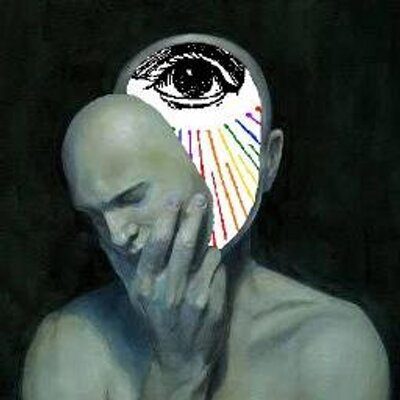 ons and past experience. All the previous knowledge evokes new need; we compare with the available options in hand, then look at the wallet and go for a decision to buy or not to buy. But, what if when I would like to decide about something having no past experiences? How does comparison happen without visual or auditory or any previous sensory memory?
So, the central issue is, understanding our decision making process when there is no past experience of certain objects/events/brands.
The fact is, even when we don’t have any similar experience of any related thing, we do visualize. We take decision based on the analogy of another object or a set of objects. That other set of objects or choices may come from any similar or dissimilar choices. And when there is no experience, we still consider – somehow one object is similar to another and come up with a decision. It may happen in a micro second. For example, it can be having ice-cream in a certain ice-cream parlor and selecting the flavor after visiting the colors and visuals.With no past experience of taste & flavor of ice-cream from that shop our mind would say go for Hazelnut (with no previous consumption experience of Hazelnut as well). We decide based on the visual cue and sometimes by seeing or making physical touch of the product. When we see whitish color of ice-cream, we assume it must be vanilla; anything brownish must be chocolate. These are our automatic conclusion that we make very regularly. And in most of the impulse choices, these perceptions get built through the similar product experiences from any category.
 In many cases, product demonstration also makes subtle difference in choice making when there are no past experiences. Let’s assume a person above 50 years of age is not a tech-geek and didn’t have any smart-phone usage experience. However, walking through the outlet demonstration of the smart phones can change his decision to get a new touch screen phone. The reason? May be he found that some of the phones were remain displayed there was a digital clock large enough to see the time (as screen saver). Though actively he didn’t look for timing solute on i.e. clock. However, we all know tech-items must be utility driven. Doesn’t really mean it must require previous experience. A simple exposure of the right utility can make meaningful sense to many. That should be seen by the communication experts – when to give which cue and hook the right set of people.
One thing is somehow similar to other is, in fact, a metaphor. This is, how we see what we want to see. We do analogize. We do visualize the experience about anything new to taste, feel, touch or even see. This aspect can make immense difference in communication design and to evoke right set of thinking to consumer mind also.
If you sit in front of television you might have noticed a TVC of online ticketing portal (shohoj.comTM). Every time I saw the TVC it reminded me of a Telecom operator of the country. It was neither because of the story of the ad nor th e subject matter. It was in fact the amber color-tone maintained all through the advert. And till the last scene came up I was pretty sure that it is something like getting a bus ticket through cell phone operator. At the end it reveals the name of the portal. Another dot com. So, the fact here is – using any cue which is already hooked in consumers’ or audience’s memory requires time to get established; using new cue to build positive association with the new brand is more pragmatic. The prime rationale is, no matter how unrelated the context of one TVC to the other, our memory retrieves and register the information which is newer and regular (consider the amber color and its association with BanglalinkTM). Thus it takes considerable time for any new information to get associated with new brand.
Share 1:
Years back I was fortunate to do a study on the aspect of language and related premium-ness factor. A soap brand intended to know whether usage of language somehow influenced the brand’s perception of premium-ness. When probed, we found two key take outs: 1. Language is not associated with the premium factor 2. Ambience and protagonists in the TVC is the key to carry the sense of premium-ness or mediocrity. We have also seen that the imagery of premium soap in fact came through the key message of the TVC not the language itself. As mentioned earlier when there is no standard or experience based on which decision can be taken, we do analogize with the visuals of related or similar set of objects.
Share 2:
For a service oriented brand we have seen people do reject visible comparison. A customer of a restaurant or bank after making considerable visits or transaction can be regarded as upper tier customer to ensure better service. However, when the customer service for two or three different tiers are visibly different it creates dissonance even if the lower tier of customer are yet to get promoted to the upper tier. Without any experience of superior customer service we do compare visuals. One of the key reasons some banks keep separate timing and cash counter for two different tiers.
So, when designing brand communication, providing right set of cue is critical. It can be unrelated to the category but can create meaningful impact for the brand. For a service, any visual and visible difference can evoke certain perception and influence the decision. Let’s keep our mind’s eye open and have visibly good year ahead!
Rifat Bin Salam
Rifat B in Salam, learner of brand and communications, currently working at Millward Brown. You can directly send your feedback to the author at bluenherz@gmail.com