In a world rapidly reshaped by Artificial Intelligence, Bangladesh took a decisive step toward understanding and adapting to this shift through the Bangladesh AI Summit, held on May 8, 2025, at BRAC University. Organized by Bangladesh Brand Forum, powered by Akij Resource and Mutual Trust Bank PLC, and in collaboration with BRAC Business School, the summit brought together educators, industry leaders, policymakers, and innovators to explore how AI can be used meaningfully across business, governance, and society.
Positioned within the larger initiative of the Bangladesh Innovation Conclave, the summit addressed both the promise and the pressure that AI brings. From practical applications in healthcare and agriculture to ethical challenges in data use, the conversation focused on one central question: how can Bangladesh responsibly and effectively prepare for an AI-driven future?
The day began with Welcome Remarks from Professor Mohammad Mujibul Haque, PhD, Dean of BRAC Business School, who set the tone by highlighting AI’s growing relevance in education.
He said:
“Artificial Intelligence is not just a tool of the future—it is the defining force of our present. For academia, this moment is pivotal. We are not only witnessing a technological shift, but a cultural and intellectual shift that will shape how we teach, how we learn, and how we lead. At BRAC Business School, we see AI as a vital instrument in grooming the next generation of business leaders, journalists, educators, and policymakers. It is no longer a question of whether AI belongs in the classroom—but how we best integrate it into our pedagogy, our research, and our institutional thinking.”
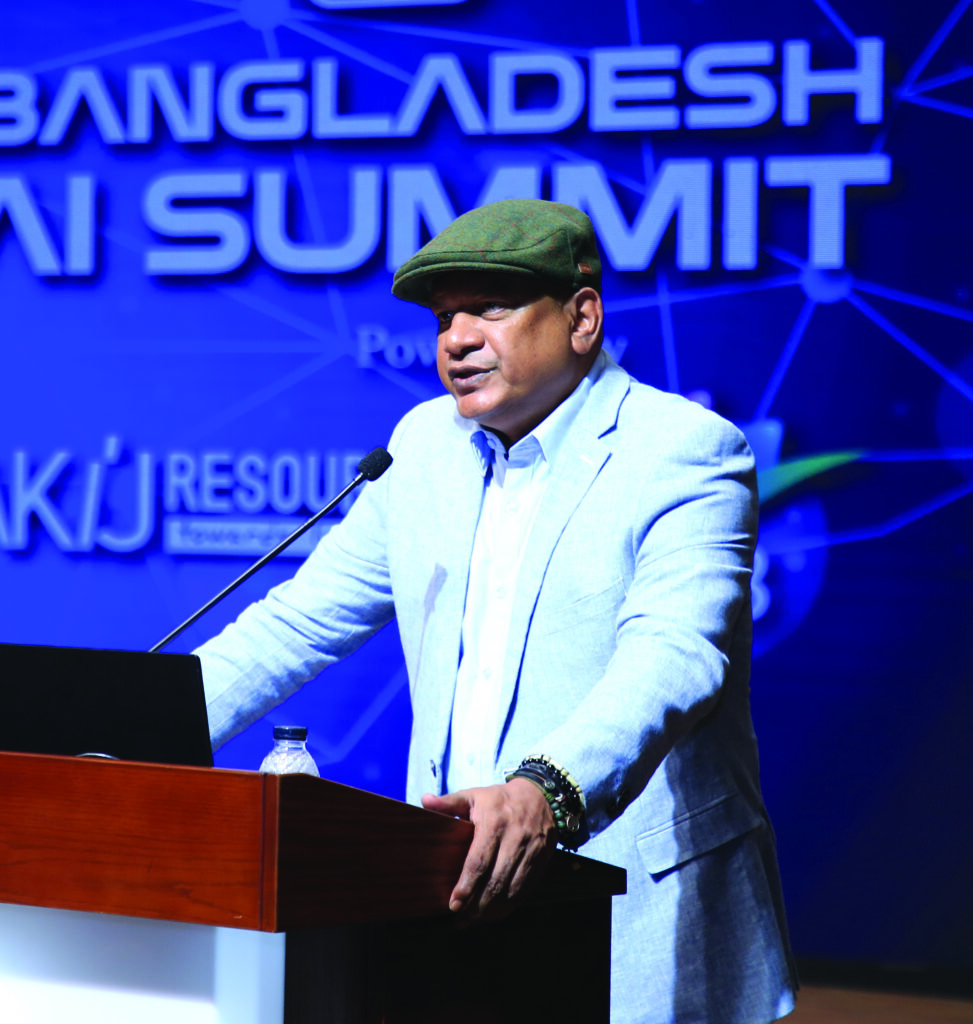
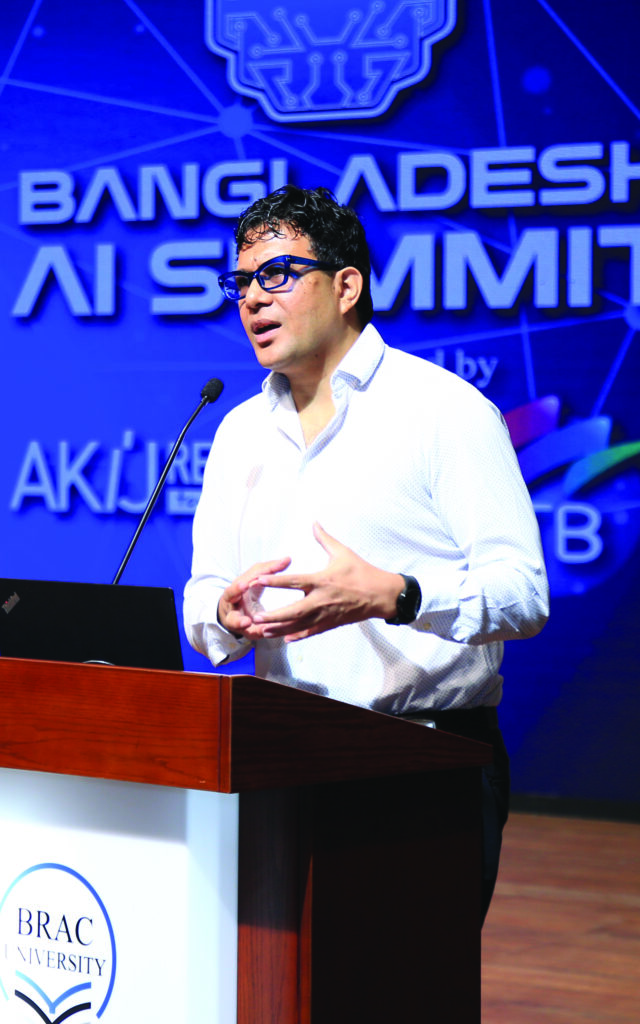
Following this, the Opening Remarks were delivered by Shariful Islam, Founder and Managing Director of Bangladesh Brand Forum and Bangladesh Innovation Conclave, who spoke of both the opportunity and responsibility that comes with AI.
He stated:
“Artificial Intelligence is shaping our industries, redefining how we learn, revolutionising governance, and transforming societies. From agriculture to healthcare, education to manufacturing, AI is creating pathways to solve problems that once seemed impossible. But with this transformative power comes a duty—to use it wisely, inclusively, and ethically. Today, we come together not only to discuss AI’s potential but to actively shape the future. Alongside this summit, we are also celebrating the AI Hackathon, where brilliant minds are already innovating and building solutions that will drive our country forward.”
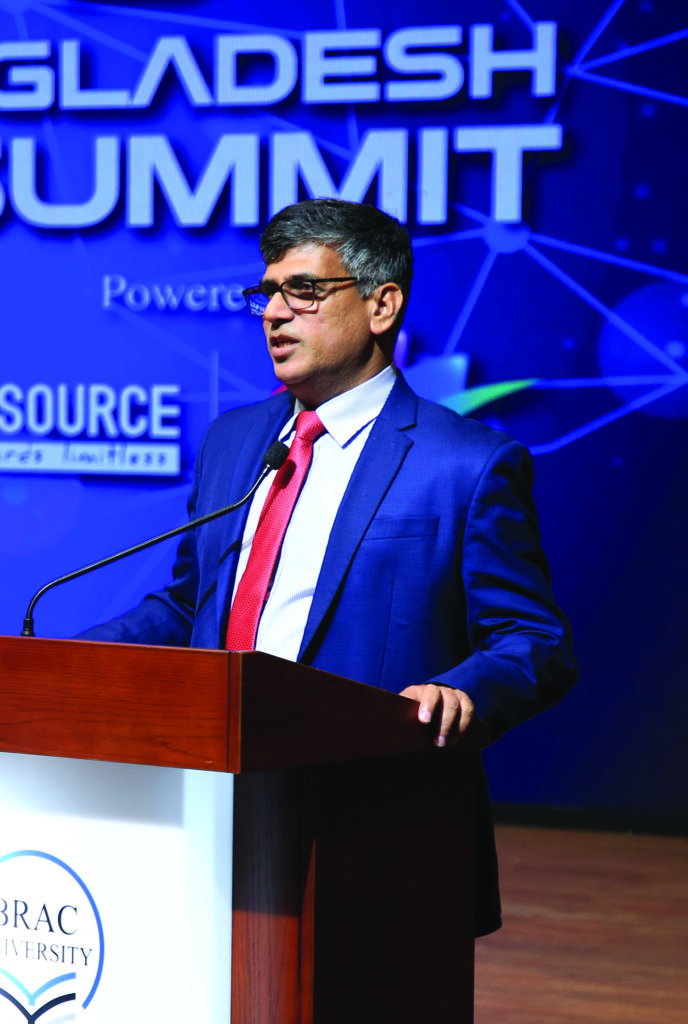
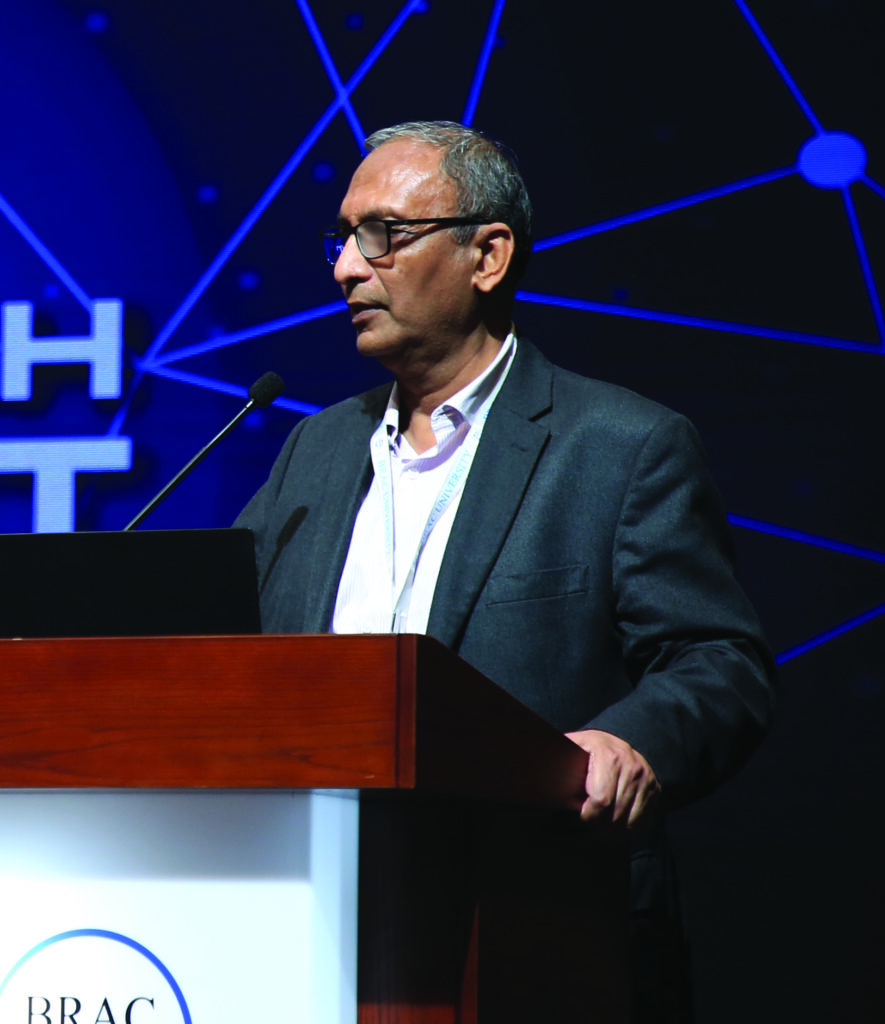
The event concluded with a strong message in the Closing Chief Guest Speech, delivered by Major General Md Emdad ul Bari, OSP, NDC, PSC, TE (RETD), Chairman, Bangladesh Telecommunication Regulatory Commission (BTRC).
He noted:
“Artificial Intelligence, like the internet before it, cannot be stopped. It can only be guided. And without strategic direction, its growth may lead to unintended consequences. That is why we must collectively ensure that AI becomes a public good—secure, ethical, inclusive, and beneficial for every citizen. Data, the lifeblood of AI, must be safeguarded. It is not a commodity to be hoarded by private interests, but a national resource that must be governed responsibly. The Personal Data Protection Ordinance (PDPO) is a crucial step in securing our sovereignty over this resource, and we at BTRC are committed to advancing this framework further.”
The summit, which included the AI Hackathon Award Ceremony, marked the successful conclusion of the AI Hackathon, another groundbreaking initiative of the Bangladesh Innovation Conclave. (Read the detailed feature of the AI Hackathon on pages 58-59)
With an agenda that included 4 keynote sessions, 2 panel discussions, 5 insight Sessions, 2 case studies, and breakout policy workshops, the summit aimed to connect real-world needs with AI-driven solutions. But more than that, it served as a reminder that the future of AI in Bangladesh will depend not only on the tools we build but on the values and goals that guide us forward.
KEYNOTE SESSION
Topic: AI & The Future of Bangladesh
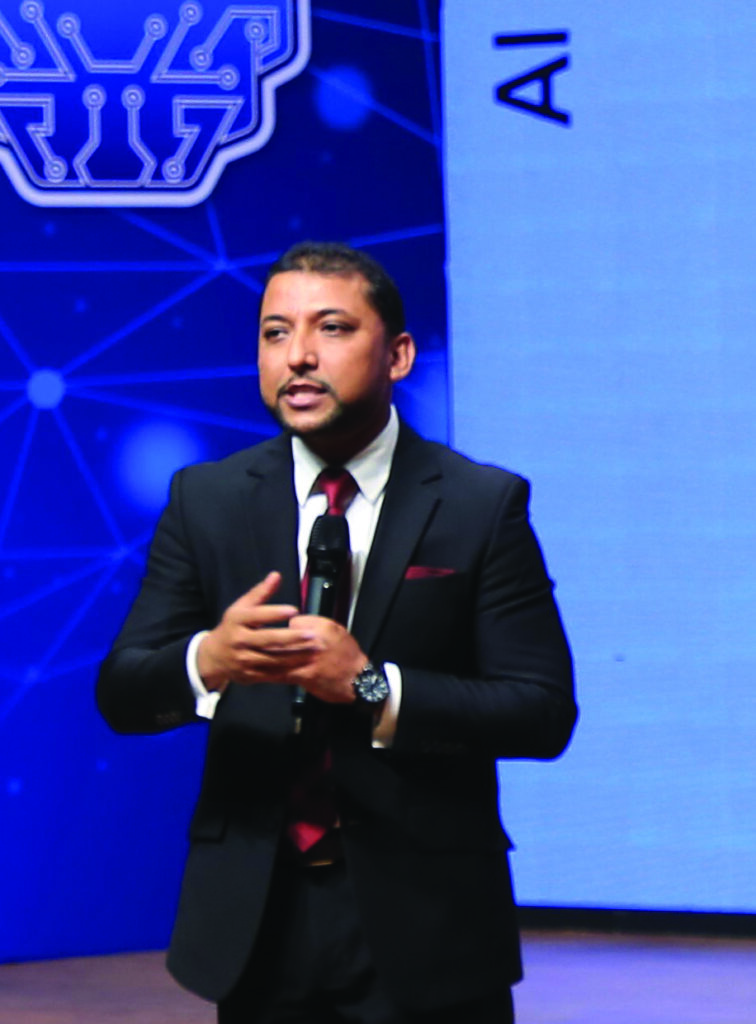
Speaker: Md Yousup Faruqu, Managing Director, Bangladesh, Nepal, and Bhutan, Microsoft
In the keynote session, Md Yousup Faruqu, shared insightful observations on how artificial intelligence is rapidly integrating into daily life and shaping the future across multiple sectors. He pointed out that AI tools, such as Copilot, have evolved into more than just utilities—they are now functioning as digital companions. These tools save time, enhance productivity, and even support personal health management by summarizing long email threads, identifying important messages, interpreting prescriptions, and suggesting personalized meal plans. This reflects AI’s growing role in decision-making and improving human well-being.
Faruqu emphasized that AI is poised to significantly impact the job market, with projections indicating the creation of around 100 million new jobs globally. In the near future, AI proficiency will become as essential as MS Office skills are today. This shift will transform hiring processes, including how interviews are conducted and candidates are assessed. The EU’s introduction of the AI Act is setting a global precedent for responsible and regulated AI usage, underlining the importance of governance alongside innovation.
He further elaborated on the evolution of AI’s capabilities—from reasoning, seeing, and speaking, to now being able to think in ways that mirror human cognitive functions. This evolution marks a critical leap, as AI systems increasingly participate in decision-making and complex problem-solving processes. In the education sector, AI is enabling more personalized and engaging learning environments. Notable initiatives include the Microsoft and Khan Academy collaboration, the UAE’s nationwide implementation of AI education, China’s upcoming mandatory AI curriculum for students starting from age six, and the United States’ efforts to integrate AI education into K–12 through executive orders.
AI’s role in healthcare was also discussed, highlighting significant advancements such as MIT and Massachusetts General Hospital’s development of Sybil, an AI system capable of predicting lung cancer up to a year in advance with 94 percent accuracy. Similarly, AI-assisted mammography screening in Europe has improved diagnostic outcomes for hundreds of thousands of patients. Faruqu also pointed to AI’s contributions to agriculture and manufacturing, where it enhances optimization and productivity.
KEYNOTE SESSION
Topic: The Global AI Shift: Opportunities and Threats for Emerging Economies
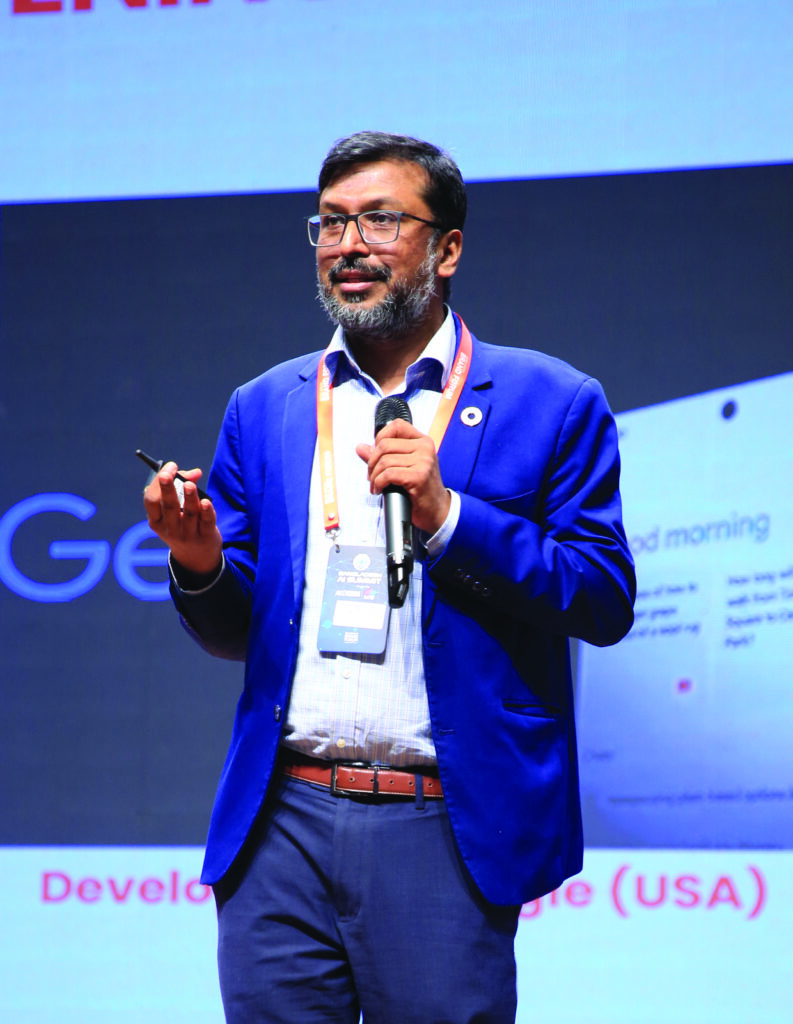
Speaker: Professor Khondaker A. Mamun, PhD, Founder & Director, AIMS Lab, UIU; Founder & Director, Institute of Research, Innovation, Incubation, and Commercialization (IRIIC), UIU; Professor, Department of CSE, UIU; Founder, CMED Health Ltd.
Professor Khondaker A. Mamun, PhD presented a comprehensive perspective on how artificial intelligence is reshaping global dynamics, particularly for emerging economies like Bangladesh. He began by tracing the exponential growth of AI to the resurgence of neural networks in the post-2000 era, largely credited to the pioneering work of Geoffrey E. Hinton. This breakthrough allowed machines to more effectively mimic human behavior, marking a turning point in AI development.
Professor Mamun emphasized that AI’s growth is being fueled by an ecosystem of advanced technologies including quantum computing, blockchain, and robotics. These innovations are expanding AI’s functional capabilities and accelerating its integration into all aspects of life. As a result, the world has entered a competitive AI race, with countries vying to develop faster, smarter, and more efficient systems. He noted that while the United States has made long-term investments in AI, countries like China are catching up at a rapid pace—China’s DeepSeek project being a prime example of achieving significant progress with comparatively lower investment and in less time.
He highlighted how regional and localized AI applications are already transforming industries in various emerging nations. India’s Qure.ai is playing a transformative role in healthcare and agriculture, showcasing the potential of purpose-driven AI solutions. Estonia, a small European nation, has become a global model for digital transformation, delivering 100 percent of its public services through an AI-powered bot named Burokratt. This digitization has fueled economic growth and improved public service delivery.
According to projections shared during the session, AI is expected to contribute \$15.7 trillion to the global economy by 2030, primarily by increasing productivity, accuracy, and transparency in both public and private sectors. Citing India’s AI Mission and Africa’s 2025 AI Declaration—where \$60 billion has been pledged for ethical and inclusive AI development—Professor Mamun stressed the importance of structured national strategies. These examples underline the urgency for emerging economies to approach AI adoption not just as a technological upgrade but as a holistic transformation.
He pointed out that three foundational elements are essential for any successful AI initiative: access to quality data, robust models, and sufficient computing power. When strategically implemented, AI has the potential to reduce government corruption, improve service delivery, and tackle inefficiencies in public administration. The key lies in transforming youth from passive AI users into creators and innovators. Such a transition could drastically accelerate national productivity, turning multi-year projects into months-long achievements.
Professor Mamun also warned of the risks associated with falling behind in the global AI movement. Without rapid adaptation and strategic investments, countries like Bangladesh may face a new kind of technological colonization—becoming consumers of foreign AI systems rather than developers of their own. To avoid this, Bangladesh must focus on building AI-ready infrastructure through systems foresight, public innovation, governance experimentation, and ecosystem development.
KEYNOTE SESSION
Topic: Empowering Bangladesh’s Digital Future: Human-AI Collaboration for Growth, Trust, and Transformation
Speaker: Kamal Kanth, Vice President of Sales, Salesforce India
In the third keynote session, Kamal Kanth shared deep insights into how AI is poised to reshape industries, education, and the overall national economy when guided by trust, accessibility, and purposeful collaboration.
He began by exploring AI’s powerful role in the manufacturing sector. By enabling machines to perform at their full potential, AI helps improve productivity, reduce operational downtime, and streamline maintenance by predicting equipment failures before they occur. This predictive capability minimizes idle time and maximizes output, resulting in significant cost savings for industries. AI’s value, he emphasized, is not just measured at the organizational level but scales up to impact national productivity and economic growth.
Kamal Kanth highlighted how AI is transforming education by enabling personalized learning experiences. Students can now access real-time feedback and adaptive learning tools, which help them grasp complex concepts faster and more efficiently. He noted that even children can use AI-powered snippets and interactive platforms to enhance their learning experience, making education more engaging, inclusive, and impactful.
A major emphasis was placed on the growing role of AI agents in customer service. These agents are revolutionizing the way organizations interact with their clients by providing fast, tailored, and round-the-clock responses to customer inquiries. This shift not only improves customer satisfaction but also enhances operational efficiency by handling large volumes of interactions simultaneously. AI agents exemplify how digital transformation can align with human needs by delivering services that are both efficient and emotionally intelligent.
The keynote also underscored the critical role of data in AI decision-making. Inaccurate or irrelevant data points—potentially hundreds of times misaligned from what a population actually needs—can lead to poor outcomes. Therefore, choosing the right data inputs is crucial for generating useful insights and driving effective actions across sectors.
Kamal Kanth stressed the need for AI to be accessible, trusted, and tailored to the economic realities of countries like Bangladesh. This means AI must be affordable, reliable, and adaptable to the unique challenges of different sectors such as healthcare, agriculture, manufacturing, and education. For instance, farmers can leverage AI to monitor crop growth and optimize resource usage, ultimately increasing yield and sustainability.
One of the session’s most powerful themes was the importance of trust in AI-driven systems. For businesses and end-users to truly benefit from AI, transparency, reliability, and ethical design must be at the core. Customers now expect not only functional accuracy but also moral responsibility in the algorithms that shape their digital experiences. Kamal introduced the concept of the “art of AI,” which refers to crafting AI solutions that are not only intelligent but also emotionally resonant—tools that feel personal, human, and empathetic.

KEYNOTE SESSION
Topic: Equity by Design: Leveraging AI for Inclusive Innovation in Agriculture, Education & Social Impact
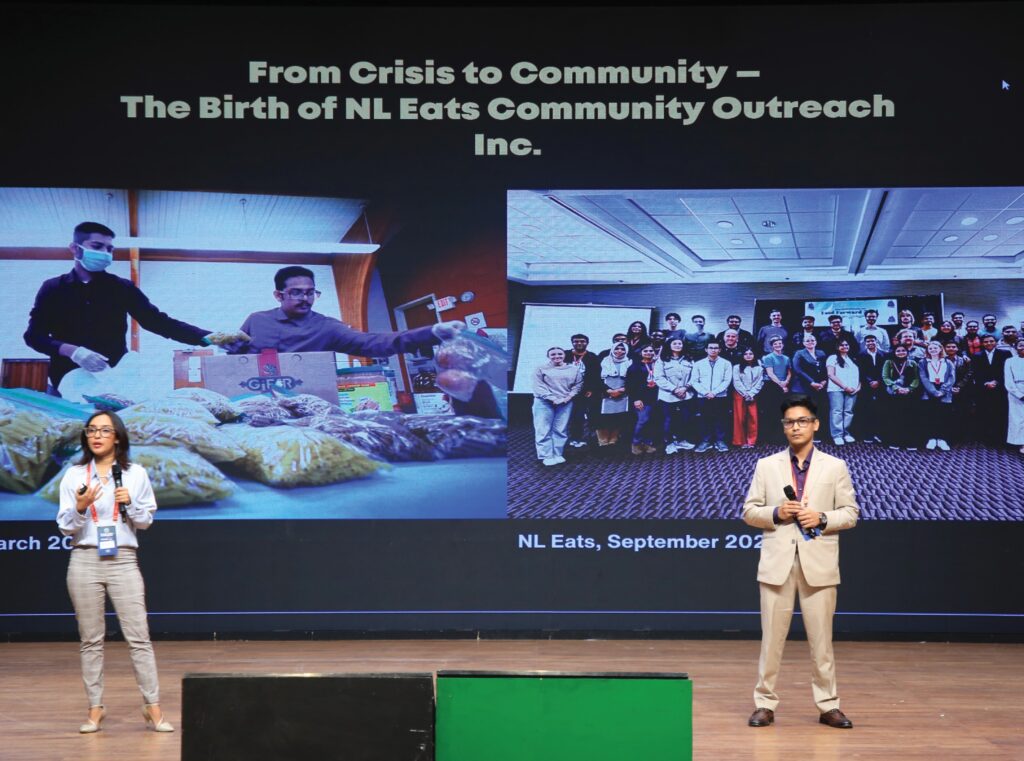
Speaker: Mehnaz Tabassum, Chief Executive Officer, CogniCo AI Consulting & NL Eats Community Outreach Inc.; and Saif Ahmed, Co-Founder, Chief Data & AI Officer, CogniCo AI Consulting & NL Eats Community Outreach Inc.
Mehnaz Tabassum and Saif Ahmed, leaders from CogniCo AI Consulting and NL Eats Community Outreach Inc., explored how artificial intelligence can be harnessed to drive inclusive development, particularly in agriculture. Their discussion highlighted both the transformative potential of AI and the persistent cultural, technical, and social barriers that hinder its widespread adoption.
The speakers illustrated how AI technologies are already contributing to smarter farming practices. By helping farmers determine optimal fertilizer usage and application timing, AI not only boosts crop yields but also promotes sustainable agriculture. These innovations can significantly reduce resource waste and environmental impact. However, the real challenge lies not in technology itself, but in its acceptance and accessibility across farming communities.
A deep cultural resistance, especially in South Asia, has slowed AI’s adoption in agriculture. Around 65% of South Asian farmers still rely on traditional methods, often passed down through generations, and view digital tools as outside their cultural norm. This hesitation is compounded by a significant gender gap—many women lack equal access to digital farming resources, which limits the overall reach and inclusivity of these innovations.
Despite 82% of farmers in America having internet access, only 31% actively use digital agricultural tools. The situation is even more critical in developing regions, where only 28% of farmers use such tools. This low adoption rate is attributed not only to resistance but also to technical challenges such as poor internet connectivity, limited digital literacy, concerns over data privacy, and frequent data loss. These obstacles have become major roadblocks in implementing AI solutions in rural settings.
The speakers emphasized that youth engagement in agriculture is now more important than ever. Older generations often lack the confidence to use complex digital systems, making it crucial to bring younger, tech-savvy individuals into the sector. Encouraging youth involvement could bridge the digital divide and create a new generation of farmers who are both traditionally grounded and technologically equipped.
PANEL DISCUSSION
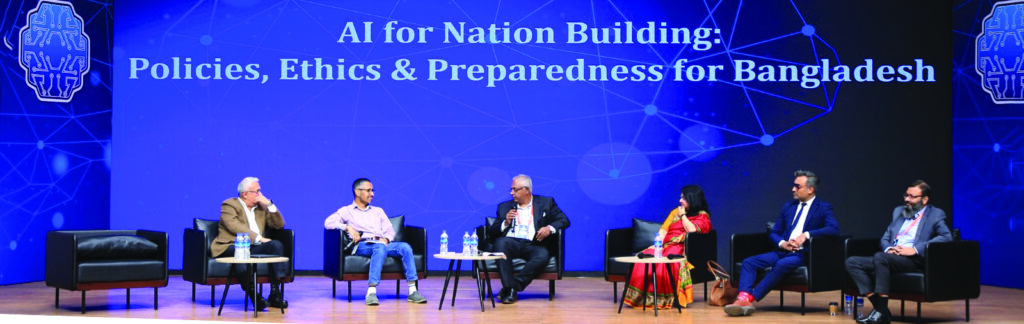
Topic: AI for Nation Building: Policies, Ethics & Preparedness for Bangladesh
Moderator: Mahtab Uddin Ahmed, Leadership Consultant, Telecom Expert, President, Institute of Cost and Management Accountants of Bangladesh (ICMAB); Founder & Managing Partner, BuildCon Consultancies Ltd.
Panellists: Fahim Mashroor, Managing Director & Board Member, Bdjobs.com; Rahat Ahmed, Founder & Managing Partner, Anchorless Bangladesh; Yasir Azman, Chief Executive Officer, Grameenphone Ltd.; Vice President, Foreign Investors’ Chamber of Commerce & Industry (FICCI); Mahmud Hossain, Commissioner, Bangladesh Telecommunications Regulatory Commission (BTRC); Muhammad Abdul Matin Emon, Chief Executive Officer, Praava Health; Dr. Fahmida Khatun, Executive Director, Centre for Policy Dialogue (CPD); Director, Bangladesh Bank.
In the panel discussion, speakers shared a forward-looking yet grounded perspective on how artificial intelligence can be harnessed to build a more inclusive, competitive, and future-ready nation. The discussion opened by addressing the global impact of AI on employment, citing data from the World Economic Forum indicating that 92 million jobs may be lost due to automation, while 170 million new roles could be created through focused upskilling and reskilling. The speakers acknowledged this duality and emphasized the need for proactive preparation rather than fear.
Bangladesh’s position in the global AI landscape was described as a user rather than a creator. While the country is adopting AI tools in sectors like healthcare, education, and agriculture, it has yet to develop a strong ecosystem for creating AI solutions domestically. A key reason behind this lag is the lack of investment, technical infrastructure, funding mechanisms, and strategic support. Speakers highlighted the challenges faced by Bangladeshi innovators who want to invest in local AI, pointing to missed opportunities due to systemic barriers and policy voids. There was a consensus that to close this gap, public and private sectors must collaborate in developing robust AI infrastructure, regulatory frameworks, and ethical standards tailored to Bangladesh’s unique needs.
Healthcare emerged as a major area where AI can have immediate and life-altering impact. Speakers explained how AI tools are currently being used for triage, symptom checking, and early diagnostics in Bangladesh. However, they stressed that while AI can offer preliminary medical guidance, it cannot fully replace human doctors, especially in high-stakes contexts where accuracy must exceed 95 percent. The panel called for the creation of structured frameworks to govern electronic healthcare data and ensure reliability, safety, and privacy in medical AI deployments. Similar discussions focused on agriculture, where AI could enhance food security by optimizing land use, predicting weather, and guiding crop planning—though data gaps and connectivity issues remain key barriers.
Another focal point was job creation and economic competitiveness. With over two million individuals entering Bangladesh’s job market annually and youth unemployment on the rise, the speakers highlighted the urgency of incorporating AI into skill-building initiatives. They emphasized that AI should augment, not replace, human creativity. Startups should focus on solving local problems—such as agriculture, healthcare, and education—through affordable, scalable AI-driven platforms. Special attention was paid to the underserved rural and low-literacy populations, with suggestions for voice and image-based tools to ensure inclusivity.
Ethics and governance were deeply embedded in the conversation. The speakers emphasized that AI is inherently dual-natured—it can be immensely beneficial or deeply harmful depending on how it is implemented. They stressed the importance of transparency, human oversight, and clearly defined usage boundaries in sensitive areas like healthcare. There was also concern about the recent drop in the quality of widely-used AI tools, with speakers speculating that increased regulation may be diluting AI effectiveness. Despite these concerns, the panel agreed that halting or slowing down AI development is not an option. With a population of 170 million, Bangladesh cannot meet the needs of its citizens without digital assistance.
PANEL DISCUSSION
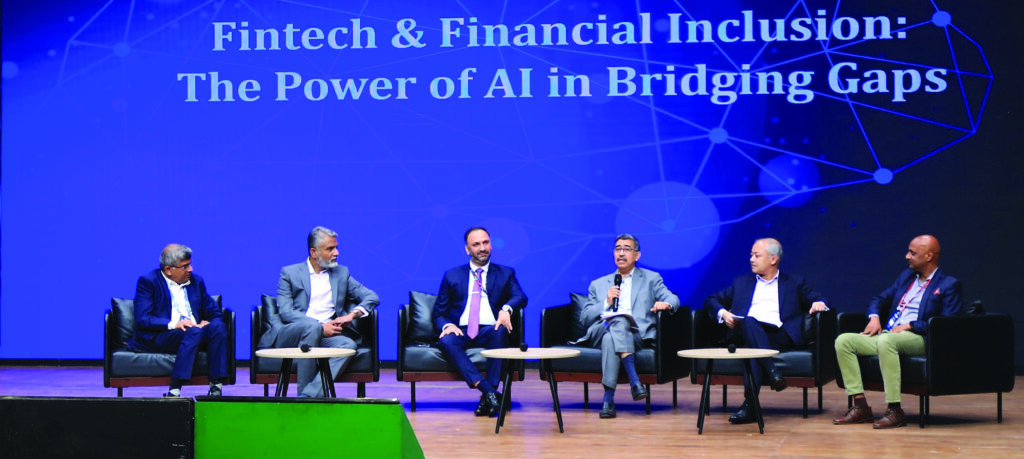
Topic: Fintech & Financial Inclusion: The Power of AI in Bridging Gaps
Moderator: Mamun Rashid, Chairman, Financial Excellence Limited.
Panellists: M Manjur Mahmud, President, DataSoft Systems Bangladesh Limited; Osman Ershad Faiz, Additional Managing Director & COO, Eastern Bank PLC; Sabbir Ahmed, Country Manager (Bangladesh, Nepal & Bhutan), Visa; Khalid Hossin, Chief Digital Officer, Mutual Trust Bank PLC; Shams Zaman, Country Managing Partner, PwC Bangladesh; Rezaul Hassan, Group CEO, Reve Group.
The panel discussion emphasized how artificial intelligence is becoming a transformative force in the financial sector, particularly in expanding access and inclusion. Speakers pointed out that the future of banking may shift significantly, with technology companies increasingly involved in selling banking products, fundamentally changing service delivery. They highlighted the need for policies that promote inclusive innovation and collaboration, urging institutions to align with youth-driven ideas and scalable digital models that reflect the financial realities of underserved populations.
AI in fintech was described as more than just a buzzword—it has already begun simplifying financial systems and unlocking real value. By using AI, companies have managed large-scale databases and supported millions of users with customized financial services. However, a major challenge identified is the gap between microfinance and traditional banking. As tens of thousands transition from small-scale loans to formal sector engagement, AI can assess creditworthiness and streamline financial access. With over 600,000 new graduates entering the job market annually in Bangladesh, scalable microfinance systems powered by AI are seen as critical to meet growing financial demands.
Panellists discussed AI’s potential to restructure customer service and daily banking operations. Intelligent bots and virtual agents now handle queries, perform real-time authentications, and even guide financial literacy programs—bridging the information gap for people unfamiliar with formal banking. These AI systems can evaluate financial behavior and recommend personalized services instantly, thus enhancing inclusion. Financial institutions are now experimenting with human-like bots that offer empathetic, conversational, and user-friendly support. For many customers, especially those in rural or low-literacy regions, this transformation makes digital finance more accessible.
AI’s impact goes beyond banking into retail and commerce. Speakers introduced the idea of “agentic commerce,” where AI doesn’t just suggest products but completes purchases autonomously, eliminating mental effort and time. This next evolution of e-commerce will redefine how consumers interact with the digital marketplace. In this context, AI is expected to move from supporting transactions to actively executing them based on user behavior and preferences. Visa’s intelligent commerce model was cited as a case where AI agents can perform real-time purchasing, showcasing global trends heading toward autonomous financial interaction.
INSIGHT SESSION
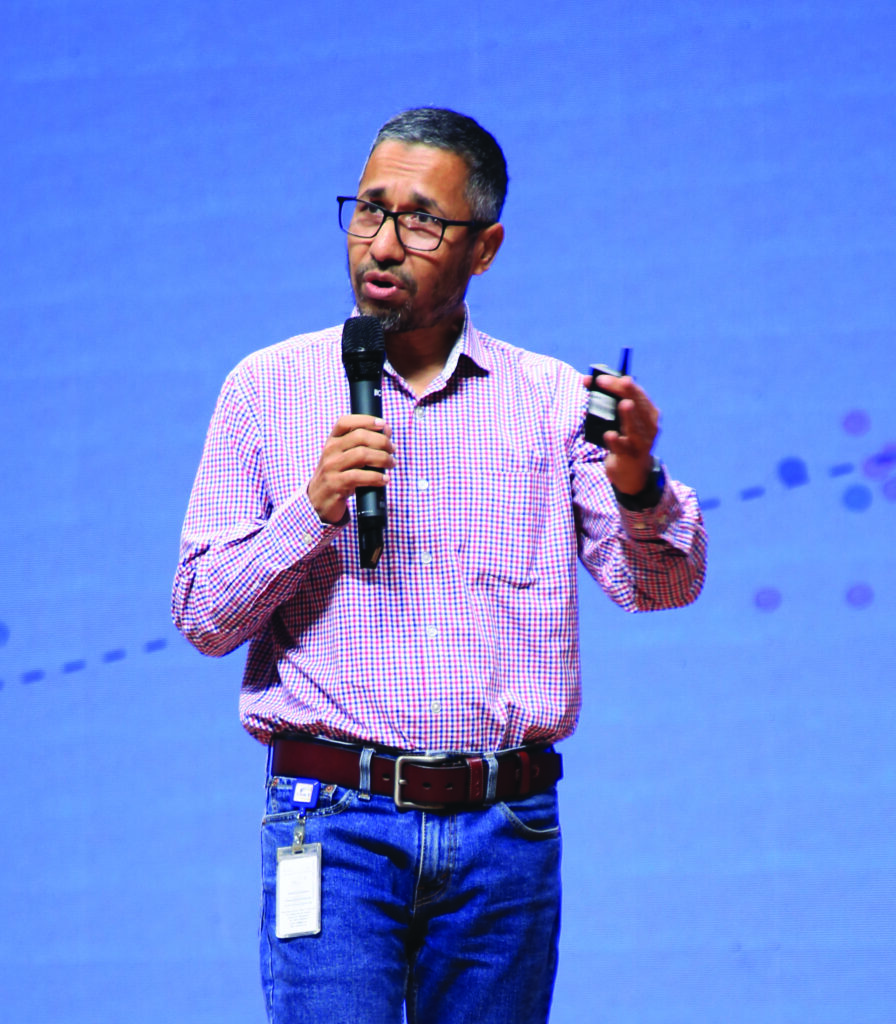
Topic: Hype vs Reality: The Bangladeshi AI Scene
Speaker: Rakibul Hassan, Chief Technology Officer, Link3 Technologies Limited
In the first Insight Session, Rakibul Hassan addressed the evolution of artificial intelligence and how its role in both global and local contexts has shifted from hype to tangible reality. He emphasized that AI’s progress is no longer driven by imagination alone but is deeply rooted in concrete developments involving investments, robust datasets, advanced hardware, cutting-edge algorithms, and evolving system architectures.
Hassan explained that AI has transformed from being merely an assistant to becoming a true collaborator in various sectors. One of the most promising advancements he highlighted was the rise of Edge AI, which allows data processing to take place directly on devices rather than relying solely on cloud infrastructure. This advancement enhances speed, privacy, and real-time decision-making capabilities, particularly in environments where low latency is critical.
INSIGHT SESSION
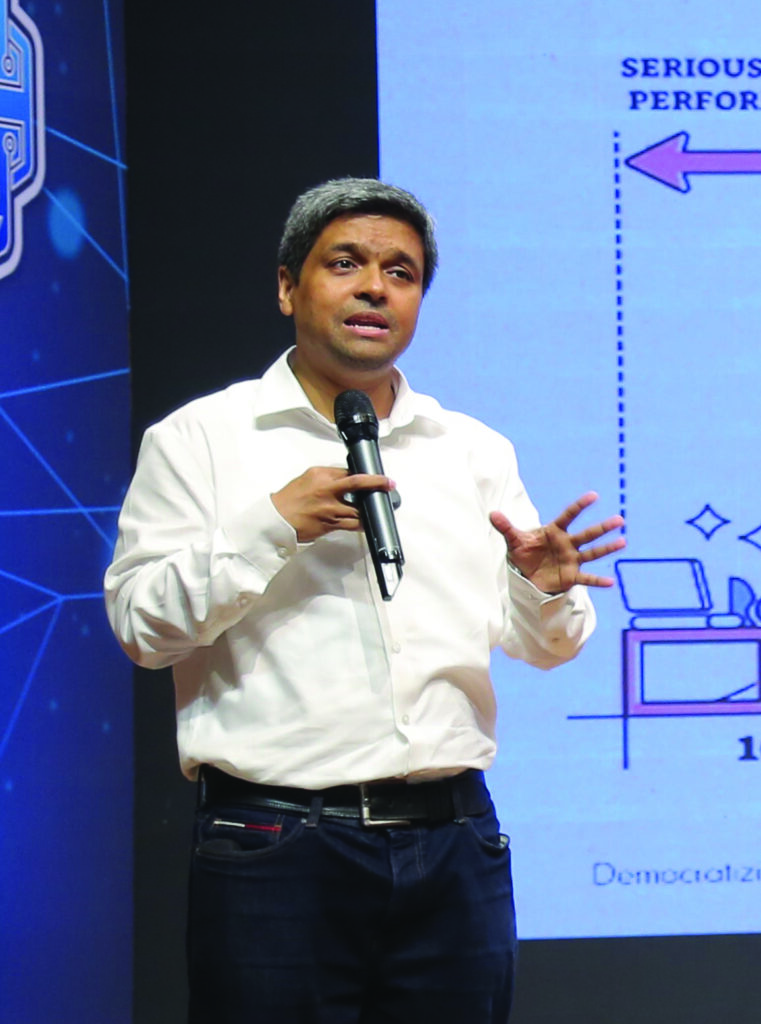
Topic: Democratizing AI: From Code to Community Impact
Speaker: Mohammad Oli Ahad, Founder and CEO, Enterprise Tech Limited
In the Insight Session, Mohammad Oli Ahad emphasized the profound societal transformations being ushered in by artificial intelligence. He began by pointing out that the influence of AI has reached such a level that even the U.S. judicial system is now assessing its implications as a fundamental legal and social consideration. This signals a paradigm shift—societies are stepping into an entirely new era defined by AI, one that is unlike any previous technological age.
Ahad highlighted that AI is no longer just about individual enhancement; it is transforming how entire teams operate, collaborate, and grow. Traditional performance models, such as the bell curve, are becoming obsolete as AI tools help most users reach high levels of efficiency and accuracy, leading to a more evenly distributed excellence across teams. Additionally, AI is facilitating new forms of self-discovery by analyzing user behavior, decision-making patterns, and operational tendencies—giving individuals insights into themselves that were previously difficult to quantify or understand.
Despite its capabilities, Ahad underscored AI’s limitations. He explained that AI systems operate within predefined boundaries and do not adapt in real time unless explicitly designed to do so. This rigidity can pose serious risks, especially in life-critical systems. He cited the tragic 2018 Boeing aircraft crash in Indonesia, where an AI malfunction created a fatal conflict between machine and human pilots, resulting in 199 deaths. The incident starkly illustrates the need for thorough testing, robust human oversight, and the ability for human intervention in AI systems, particularly when lives are at stake.
INSIGHT SESSION
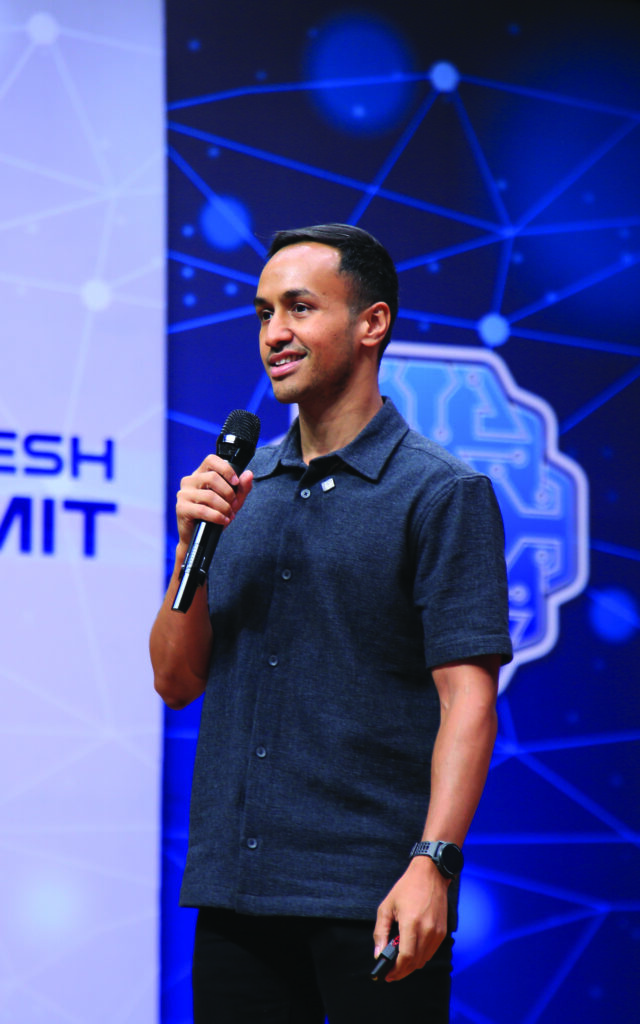
Topic: The Soul of the Machine: Human-Centered AI for Brand Experience and Digital Trust
Speaker: Azman Sami, Co-Founder and Managing Director, Nebula Digital; Data Scientist & AI/ML Engineer; Former AWS, Amazon, UNDP & IQVIA
Azman Sami emphasized the critical role of trust in the AI-driven world. According to Sami, trust is the cornerstone of every AI interaction. When AI systems fail to uphold that trust, the damage can extend beyond user experience and ultimately threaten the credibility and survival of entire businesses. To prevent this, he argued that AI must be developed and deployed in a human-centric way, designed not just for efficiency but with empathy, integrity, and emotional awareness.
Sami illustrated human-centered AI by citing how major platforms like Netflix use behavioral data to provide personalized recommendations. These AI-driven suggestions not only increase user engagement but also reinforce a sense of familiarity and reliability. Similarly, the personalization or elimination of ads through AI can significantly improve the digital experience, enhancing the trust relationship between users and brands. However, Sami warned that this trust can be easily broken if the AI systems are biased or misaligned with user expectations. Since AI is only as fair as the data and design behind it, developers must take responsibility for ethical data practices and thoughtful, inclusive system design.
To address this, Sami highlighted the use of techniques such as Reinforcement Learning from Human Feedback (RLHF), which enables AI to fine-tune its responses based on human preferences and feedback. He stressed that designing truly human-centered AI means aligning systems with the cultural and social values of their users. This involves not just reducing algorithmic bias, but fundamentally rethinking how systems are conceptualized—from data collection and model training to final deployment—through the lens of integrity and inclusivity.

INSIGHT SESSION
Topic: AI for Good: How Ethical Design Can Shape a Fairer World
Speaker: Luciano Floridi, Director of the Digital Ethics Center, Yale University
Luciano Floridi presented a compelling narrative about the deep interconnection between digital transformation, ethics, and sustainable development. He highlighted that digital transformation is not simply about deploying new technologies—it is a fundamental shift that integrates digital systems into every aspect of life, from how societies function to how economies grow. As we navigate this transformation, Floridi stressed the importance of ethical design in ensuring that technological progress benefits all layers of society equitably.
Floridi emphasized the challenge of balancing societal, environmental, and business priorities. Often, decision-makers are forced to compromise between these three dimensions, sometimes favoring two while neglecting the third. However, true sustainability, he argued, cannot be reduced to just minimal compliance or superficial green initiatives. Instead, it must become a core principle—one that fully integrates environmental stewardship, social equity, and economic viability into every strategic decision. According to him, this holistic approach is essential to shaping a digital future that is not only innovative but also just and inclusive.
In the context of Bangladesh, Floridi identified agriculture, manufacturing, and healthcare as key sectors where AI could deliver transformative change. However, he cautioned that for these technologies to create real value, they must be implemented with deep respect for local cultures, knowledge systems, and societal values. Importing solutions blindly, without adaptation to the local context, could lead to alienation rather than empowerment. Instead, fostering homegrown expertise and solutions tailored to community needs will ensure more meaningful and sustainable progress.
CASE STUDY
Topic: Future of Learning: How AI Can Transform Education in Bangladesh
Speaker: Shahir Chowdhury Founder & CEO, Shikho
The case study session highlighted the transformative work of Shikho, a Bangladeshi EdTech startup that has raised \$8 million in global investment. The session emphasized how Shikho is using technology to bridge gaps in access to quality education, particularly for students in classes 6 to 12 across the country. By connecting learners with some of the best educators in Bangladesh—who otherwise remain inaccessible due to location or logistical barriers—Shikho ensures that top-tier education reaches every corner of the nation.
The platform employs a data-driven approach to personalize the learning journey for each student. Learners can track their academic progress, assess their strengths and weaknesses, and receive tailored recommendations for improvement. The next major step for Shikho is the public launch of its AI-powered doubt-solving feature, which will allow students to ask curriculum-specific questions in Bangla and receive immediate, accurate responses. This tool is aligned with the national curriculum and is designed to accommodate the local language and learning context.
Shikho’s AI strategy goes beyond merely answering queries—it is being developed to function as an intelligent teaching assistant. The AI can walk students through full math problems or concepts, explaining every step and highlighting mistakes in Bangla. This guided, contextual learning experience is aimed at deepening understanding and supporting long-term academic growth. The startup is also working to localize large language models, making them fluent in Bangla and optimized for the learning styles of Bangladeshi students.
In addition to student support, Shikho is building AI tools for teachers, including curriculum builders, resource creators, and grading assistants. These tools are intended to reduce the administrative burden on teachers and allow them to focus more on instruction and mentorship. By acting as an AI co-pilot, the system serves both learners and educators in a holistic way.
The discussion also pointed to the need for market-focused customization in EdTech. Shikho’s development is driven by an acute awareness of gaps in the current education system, and its AI tools are tailored to meet those unmet needs. The integration of AI into educational technology marks a significant shift, transforming how both teaching and learning are approached in Bangladesh. Through these innovations, Shikho is setting the stage for a more inclusive, efficient, and impactful education ecosystem powered by artificial intelligence.
Closing Session
The closing session of the Bangladesh AI Summit, led by the Vice-Chancellor of BRAC University, emphasized the strategic importance of adopting AI not just as a technological trend but as a tool for sustainable national development. The speaker highlighted the urgent need for a structured approach in AI integration—one that clearly separates immediate priorities from long-term planning. This kind of strategic segregation is essential to ensure that AI systems, once introduced, can evolve responsibly over time. Maintenance, monitoring, and updates are not optional; they are central to ensuring AI remains both effective and ethical.
A key warning was issued against the concentration of AI development in the hands of a few dominant players, whether individuals or corporations. The future of AI must not be dictated by isolated power structures. Instead, an inclusive, transparent, and collaborative ecosystem is needed—one that fosters shared innovation and open access. The session also conveyed that Bangladesh cannot afford to remain passive. To gain a foothold in the global digital economy, widespread and deliberate AI adoption is imperative.
AI was presented not only as a tool but as a necessity—a pathway out of developmental stagnation and into an era of innovation, competitiveness, and global relevance. This transition, however, must be anchored in purpose. The speaker stressed that AI must be used as a means to serve people’s needs, not as an end in itself. Purpose-driven innovation, grounded in the realities of Bangladesh, can help showcase the country’s capabilities to the world and position it as a leader in inclusive, ethical, and transformative technology.
Partners
The Bangladesh AI Summit and the AI Hackathon are powered by Akij Resource & Mutual Trust Bank PLC and in collaboration with BRAC Business School. Strategic Partner – Creative IT Institute; REVE Chat; International Distribution Company Bangladesh PLC.; Marketing Society of Bangladesh (MSB); NAMMCON; International Advertising Association Bangladesh; Official Carrier Partner – Turkish Airlines; Refreshment Partner – Pran; PR Partner – Backpage PR. Organised by Bangladesh Brand Forum, Bangladesh AI Summit and the AI Hackathon are initiatives of Bangladesh Innovation Conclave.