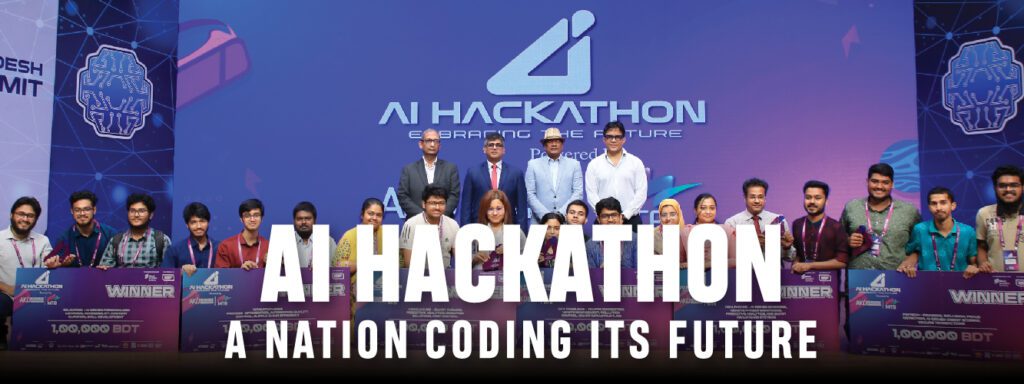
In a bold stride toward embracing artificial intelligence for national development, Bangladesh Innovation Conclave, in collaboration with BRAC Business School and Bangladesh Brand Forum, launched the AI Hackathon—an initiative aimed at solving some of the country’s most pressing urban and sector-specific challenges. Launched on March 10, 2025, the hackathon served as a national call to action for students, researchers, and young entrepreneurs to channel AI innovation into real-world impact.
Over the course of two months, the hackathon gathered some of the brightest minds from universities and different institutions across the country. Participants were challenged to design AI-powered solutions in six key areas: city management, manufacturing, education, agriculture, fintech, and healthcare. Each sector represented a set of urgent, complex problems that artificial intelligence could help address, ranging from reducing traffic congestion in Dhaka’s packed streets to streamlining patient monitoring in rural clinics.
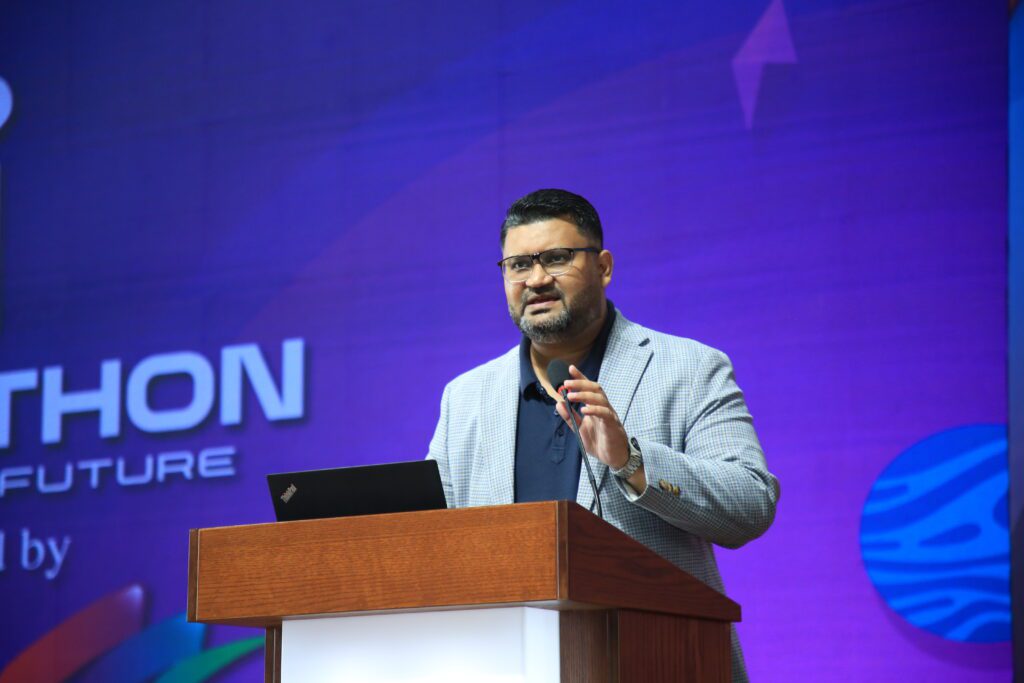
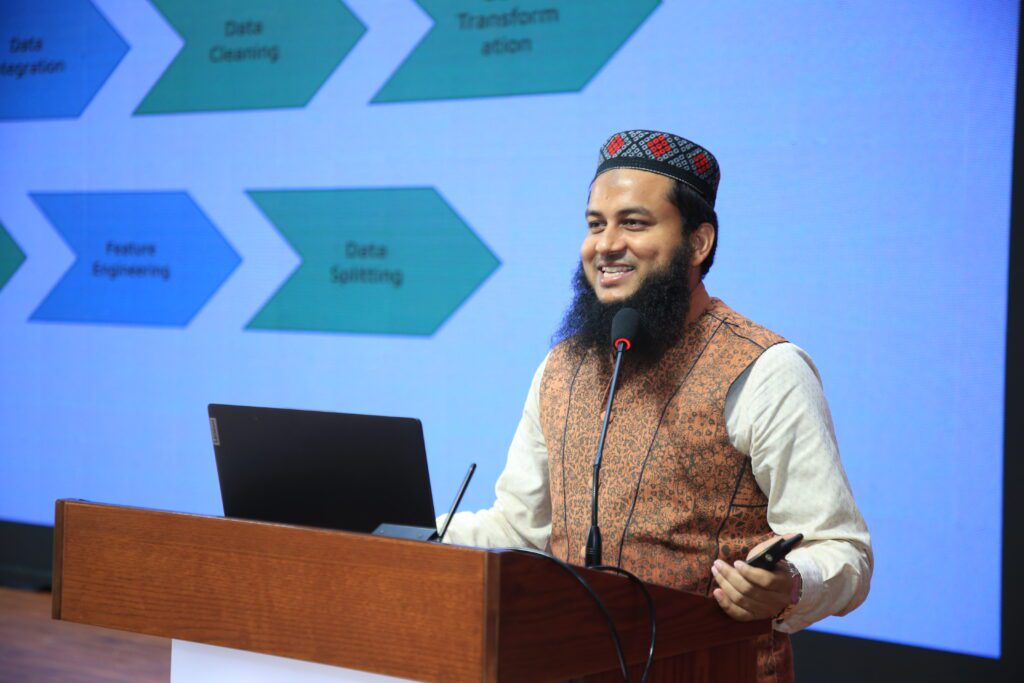
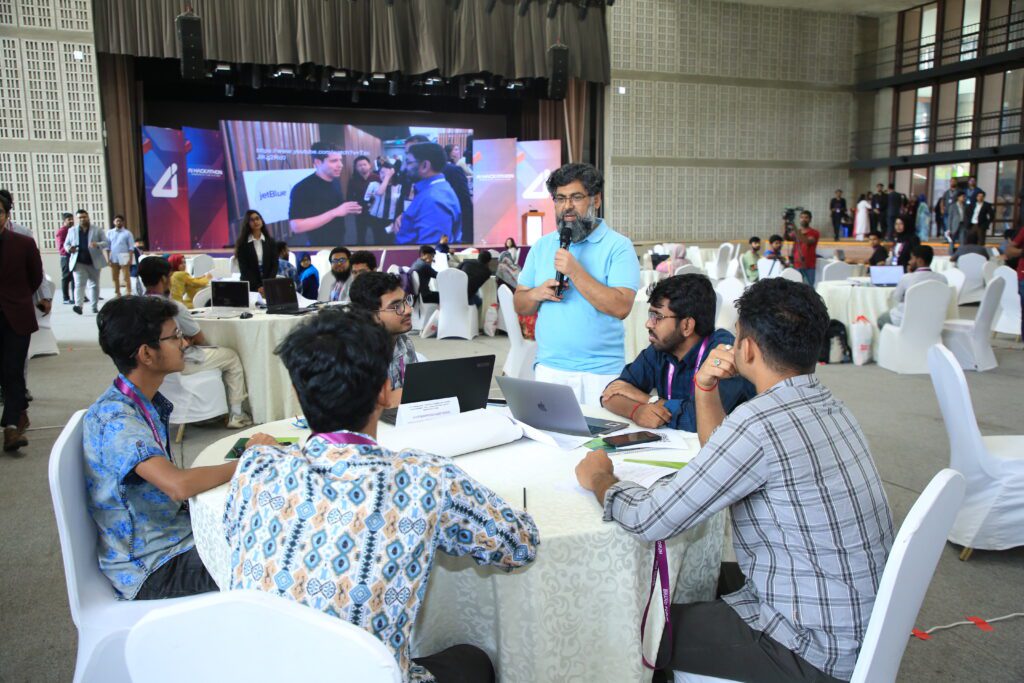
The process was designed to both inspire and push participants beyond conventional thinking. After an open call and initial submission phase, shortlisted teams were announced on April 16. These selected groups then entered a focused prototype development phase from April 17 to May 5. The journey culminated in a two-day boot camp on May 6 and 7 at BRAC University, where participants received expert mentoring, refined their solutions, and pitched their innovations to a jury panel. Winners were announced during the award ceremony following the Bangladesh AI Summit held on May 8, 2025.
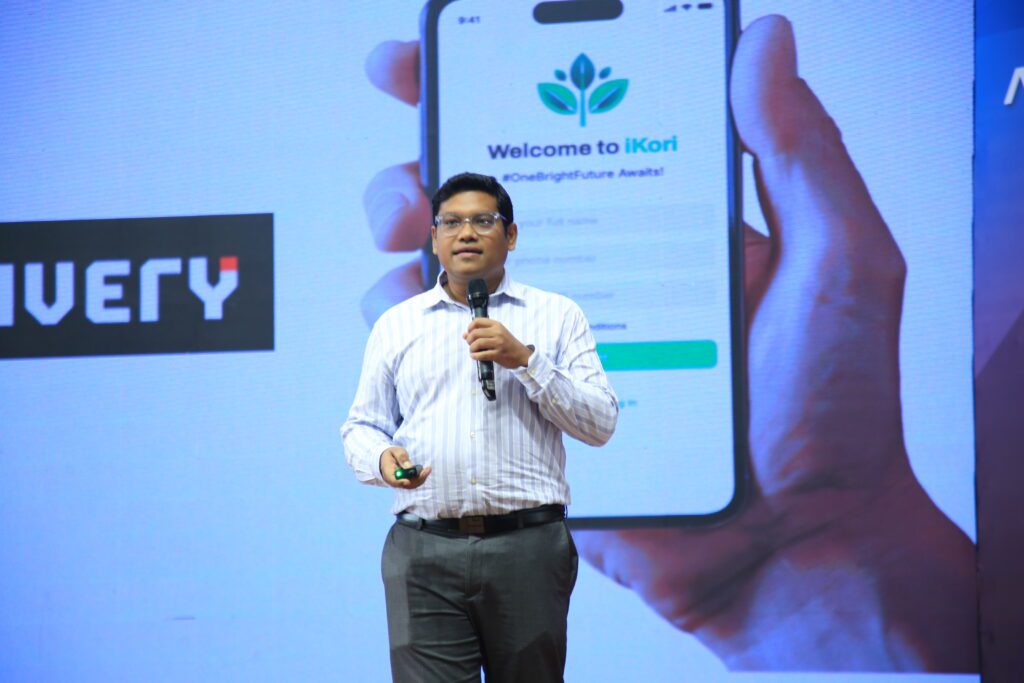
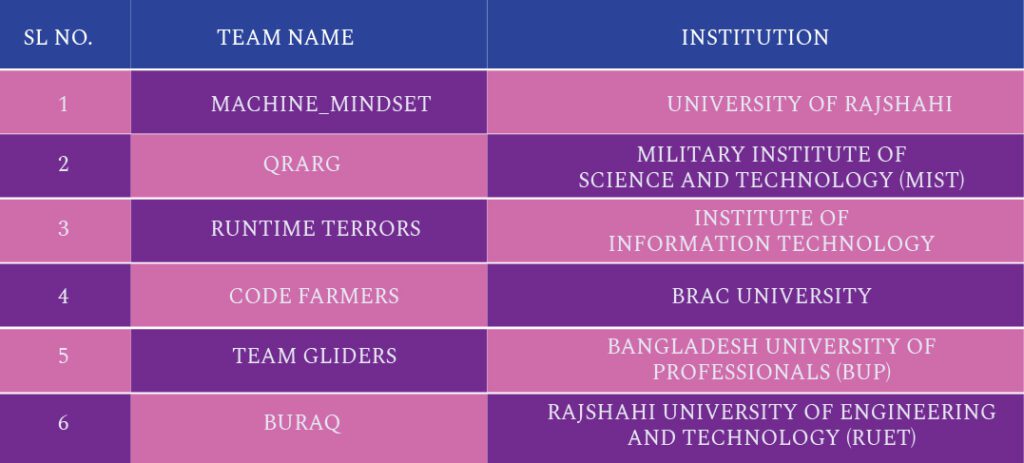
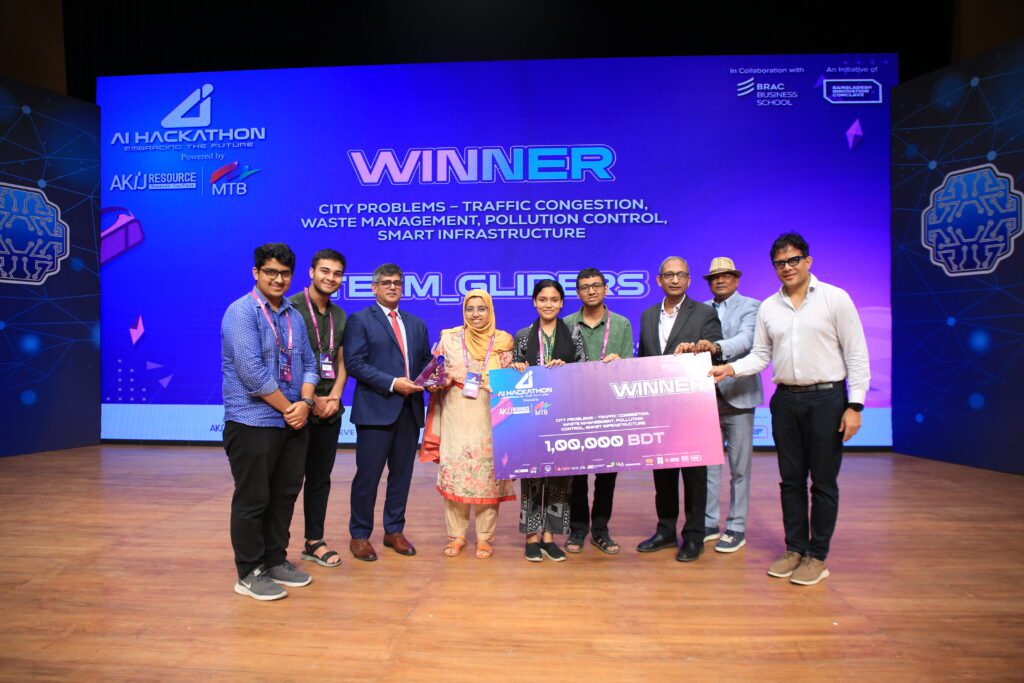
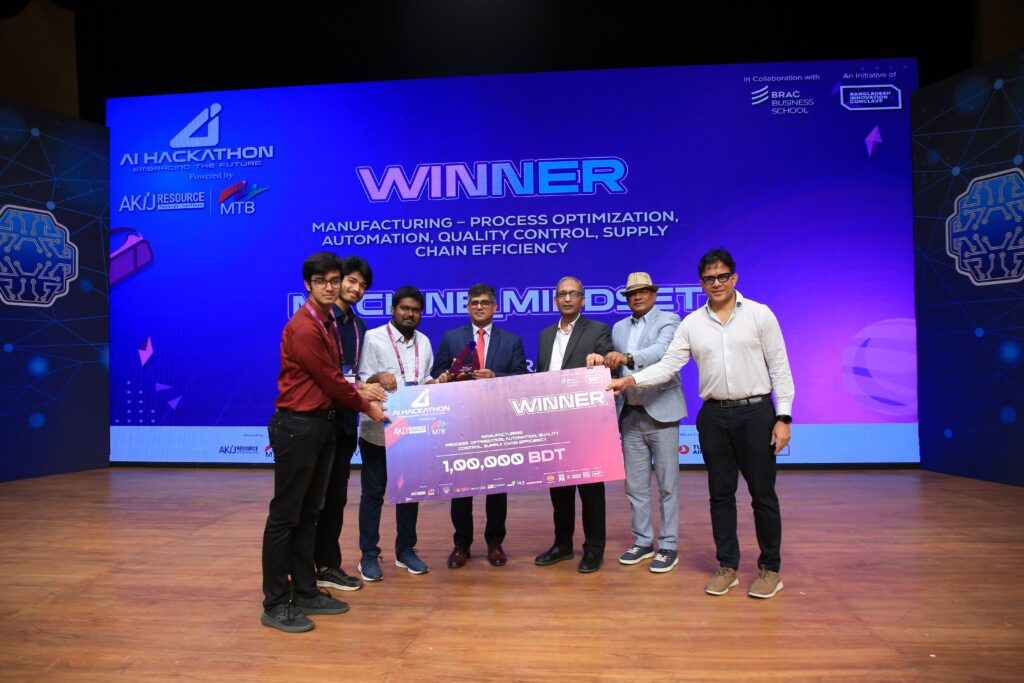
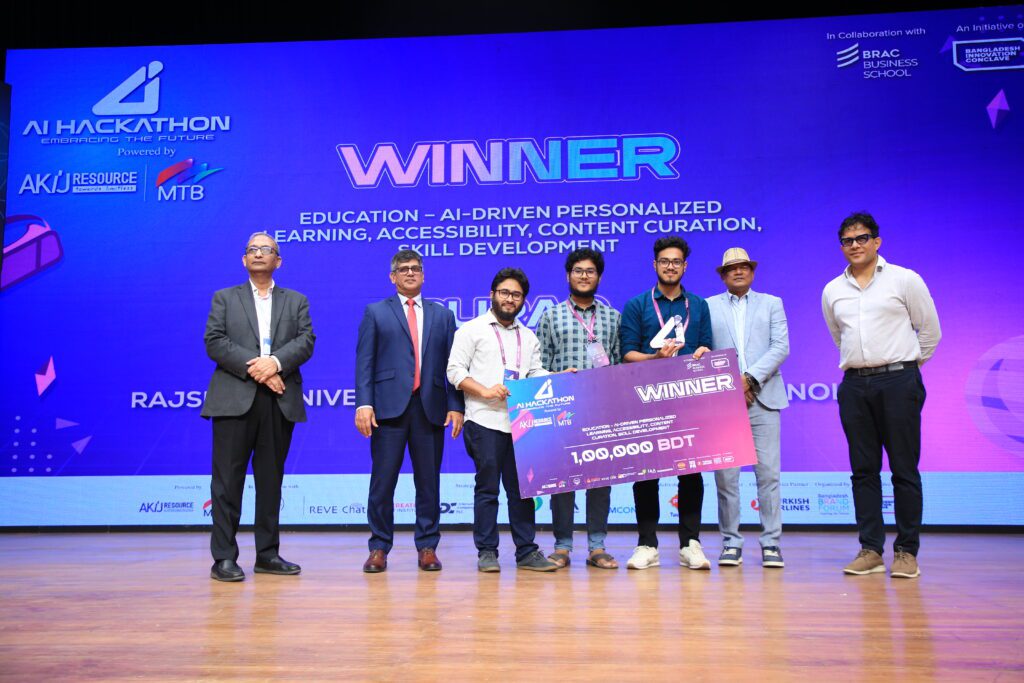
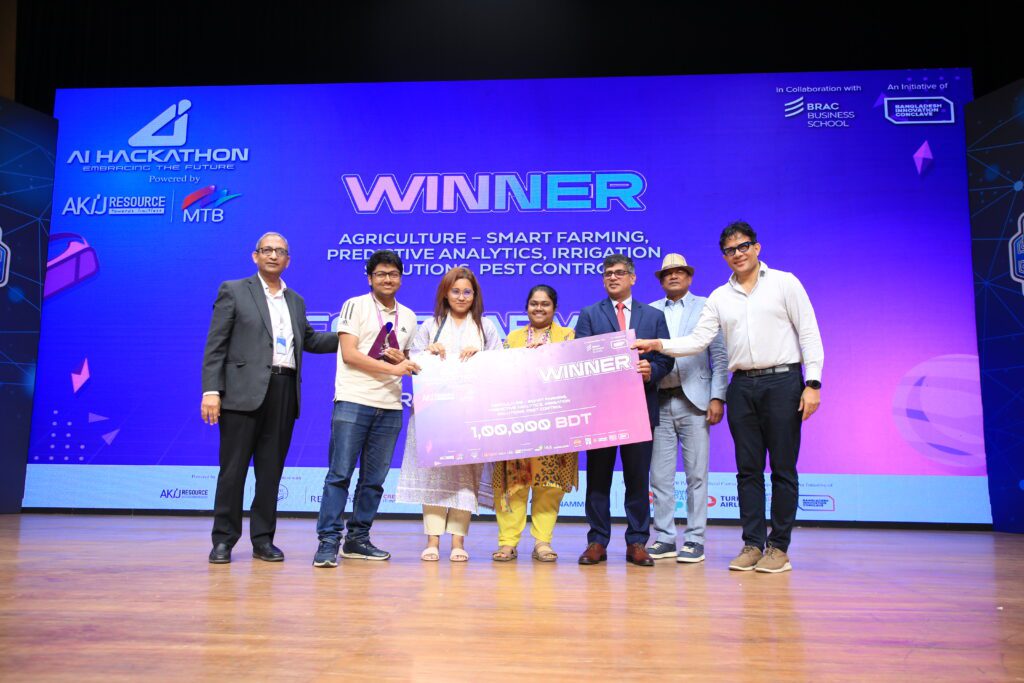
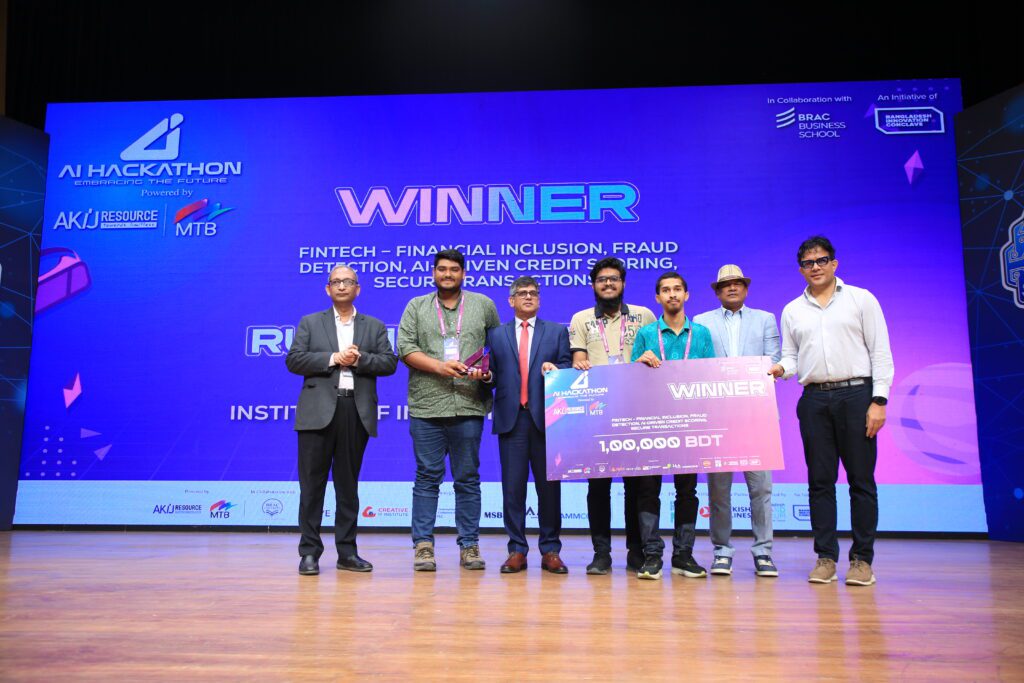
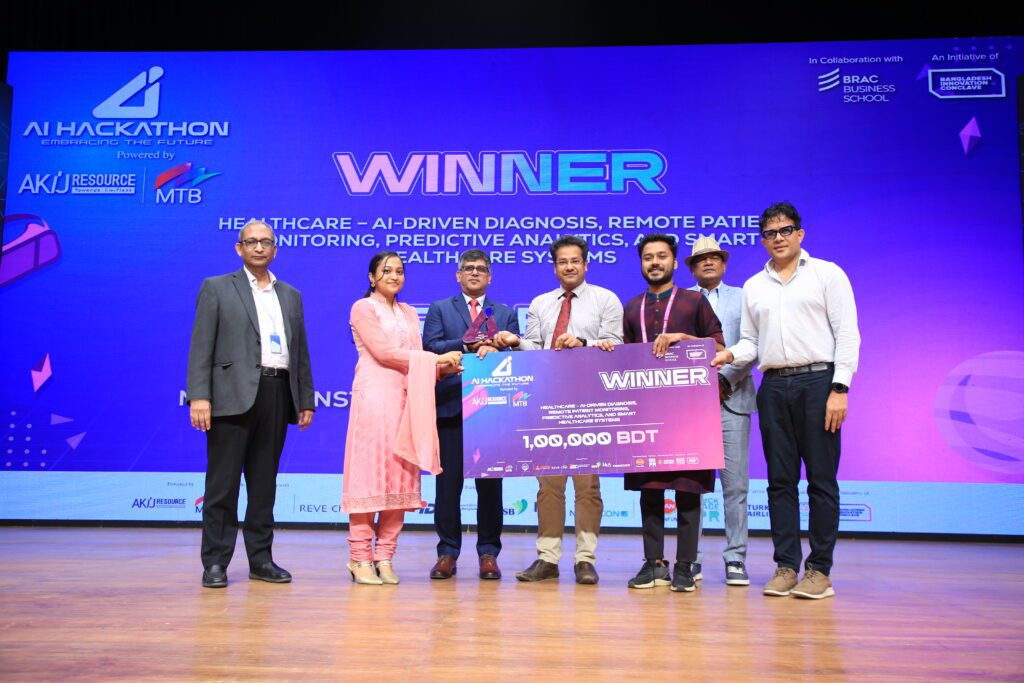
The winning teams came from a diverse range of institutions across the country, reflecting the nationwide energy behind innovation. Machine Mindset from the University of Rajshahi won in the manufacturing category. QRARG from Military Institute of Science and Technology (MIST) secured the top position in healthcare. Runtime Terrors from the Institute of Information Technology won in the fintech category. In agriculture, CODE FARMERS from BRAC University earned recognition for their smart farming innovation. Team Gliders from Bangladesh University of Professionals (BUP) emerged as winners for addressing city-related challenges. Buraq from Rajshahi University of Engineering and Technology (RUET) stood out in the field of education.
In city management, teams explored ways to improve traffic flow through real-time data analysis, optimize waste collection routes, and monitor air pollution levels using AI. Smart infrastructure ideas, such as energy tracking and flood prediction, aim to make cities more efficient and livable.
For manufacturing, the focus was on reducing inefficiencies and improving product quality. Teams applied AI for predictive maintenance to prevent machine breakdowns and used computer vision for real-time defect detection. Supply chains have become more responsive and cost-efficient with the aid of AI-powered forecasting and logistics solutions.
In education, students built platforms for personalized learning, making it easier for students to study at their own pace and receive targeted support. AI tutors, virtual teaching assistants, and automated grading tools were designed to help both teachers and learners. For students with disabilities, AI-based accessibility tools offered more inclusive learning opportunities.
Agriculture teams developed solutions that leveraged AI to monitor crop health, detect pests early, and optimize irrigation. Drone-based surveillance and market intelligence tools enabled farmers to make informed decisions and secure fairer prices by directly connecting with buyers.
In fintech, teams addressed financial inclusion by creating AI-driven credit scoring models that relied on alternative data, such as mobile transaction history and utility bills. They also proposed fraud detection systems, chatbots for financial services, and biometric verification to enhance banking safety and accessibility.
Healthcare solutions ranged from AI-assisted diagnostics and telemedicine to real-time patient monitoring and predictive analytics for disease outbreaks and management. Projects also included AI-based hospital scheduling, drug discovery tools, and digital health records management, all of which aimed to enhance the effectiveness and efficiency of medical care.
What made the AI Hackathon unique was its focus on tangible, Bangladesh-specific challenges, paired with a clear path from ideation to implementation. It wasn’t just a competition. It was a development platform that encouraged young innovators to rethink how artificial intelligence can be used to serve people, solve problems, and shape the country’s digital future.
As the Bangladesh AI Summit concluded, the energy from the hackathon carried forward. These student-led ideas demonstrated that the country has both the talent and the ambition to harness AI for change. With continued support and collaboration, Bangladesh is taking confident steps toward becoming a regional leader in AI-driven innovation.