
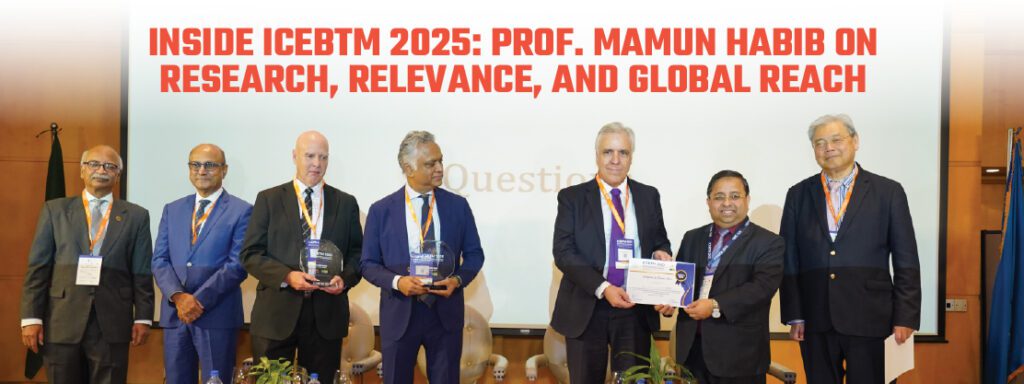
In an era marked by accelerating technological change, economic uncertainty, and rising sustainability challenges, the value of research-led dialogue and cross-sector collaboration has become increasingly evident. Against this backdrop, the International Conference on Economics, Business and Technology Management (ICEBTM 2025), held on November 14–15 at Independent University, Bangladesh (IUB), emerged as a timely platform bringing together academics, industry leaders, policymakers, and international scholars to examine sustainability-focused industry trends shaping global research.
Following the conclusion of the conference, Bangladesh Brand Forum sat down with Prof. Dr. Md. Mamun Habib, General Chair of ICEBTM 2025, to reflect on the outcomes, insights, and broader implications of the event. A long-standing advocate of academia–industry collaboration, Prof. Habib has played a central role in positioning ICEBTM as a forum that bridges research, practice, and policy.
In this post-conference conversation, Prof. Habib shares his perspectives on the impact of ICEBTM 2025, the research themes that stood out, the role of global participation, and how the conference contributes to strengthening Bangladesh’s position in the international knowledge and innovation ecosystem.
BBF: How would you summarise the success and key highlights of ICEBTM 2025?
Prof. Habib: ICEBTM 2025 was a resounding success by every meaningful measure. We brought together more than 300 participants from over 12 countries, including academics, industry leaders, policymakers, and researchers, under the central theme of sustainability-focused industry trends in global research.
The programme itself was rich and well-balanced, featuring five keynote speeches, eight industry talks, and three invited speaker sessions that addressed pressing issues across business, technology, and sustainability. One of the most rewarding aspects was the strong engagement across sessions, particularly where academic research intersected with real-world industry challenges.
Equally important were the platforms created for researcher development. The PhD Colloquium, Paper Producing Workshop, and Meet the Journal Editors session provided tangible value for early-career scholars, helping them strengthen their research quality and publication readiness. Overall, ICEBTM 2025 succeeded not just as a conference, but as a knowledge-building ecosystem.
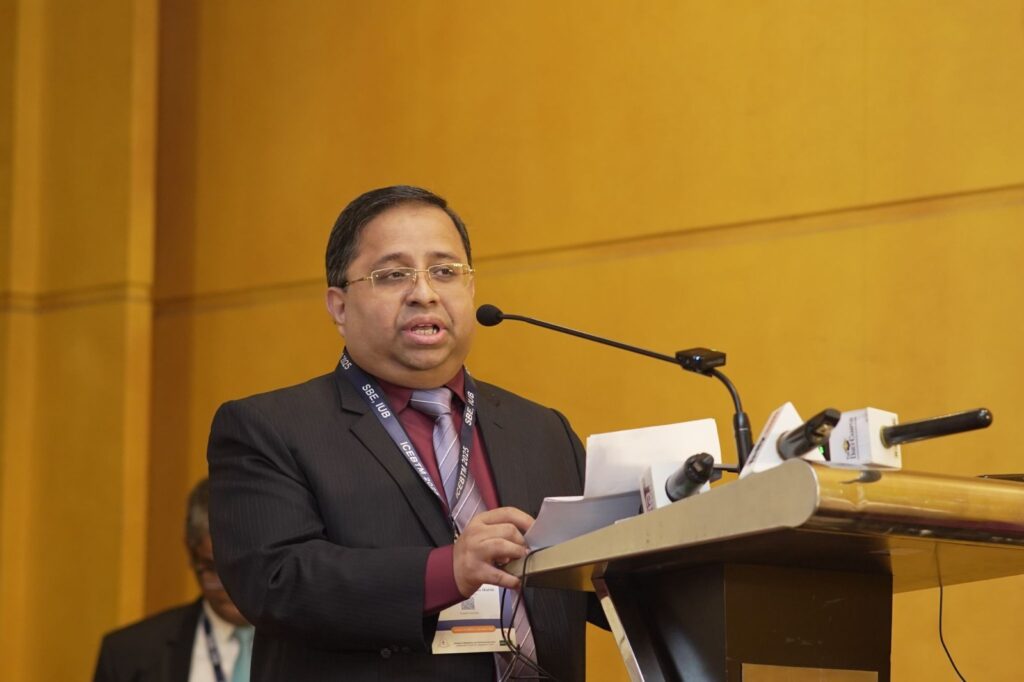
BBF: What distinguished this year’s conference from previous editions?
Prof. Habib: ICEBTM 2025 marked a clear step forward in scale, depth, and international engagement. Participation expanded significantly, with delegates joining from the USA, UK, Australia, Canada, Japan, Malaysia, UAE, Poland, Thailand, India, and more. This diversity enriched discussions and positioned ICEBTM firmly as an international forum.
Another major distinction was the strengthened academia–industry interface. Industry leaders from Apex Footwear, Rahimafrooz, Monem Group, ACI, DBBL, Dhaka Bank, and others brought practical perspectives that complemented academic research. This alignment helped move discussions beyond theory toward actionable insights.
The conference also matured in its structure. Sessions were more thematically aligned, interdisciplinary conversations were stronger, and there was a visible focus on how research can inform policy and business strategy, particularly in emerging economies like Bangladesh.
BBF: From your perspective, how effectively did ICEBTM 2025 connect academia, industry, and policymakers?
Prof. Habib: The connection was one of ICEBTM 2025’s strongest achievements. The conference was intentionally designed to bring these groups into dialogue rather than isolating them in silos.
Industry talks and panel discussions enabled business leaders to articulate real challenges they face, from supply chain resilience to digital transformation. Academics responded with research insights and frameworks, while policymakers added a critical layer by discussing implementation and regulatory implications.
The presence of policymakers such as Dr. Hossain Zillur Rahman and Didar A. Husain added real depth. Their participation reinforced the idea that research should not remain confined to journals but must actively inform policy decisions and development strategies.
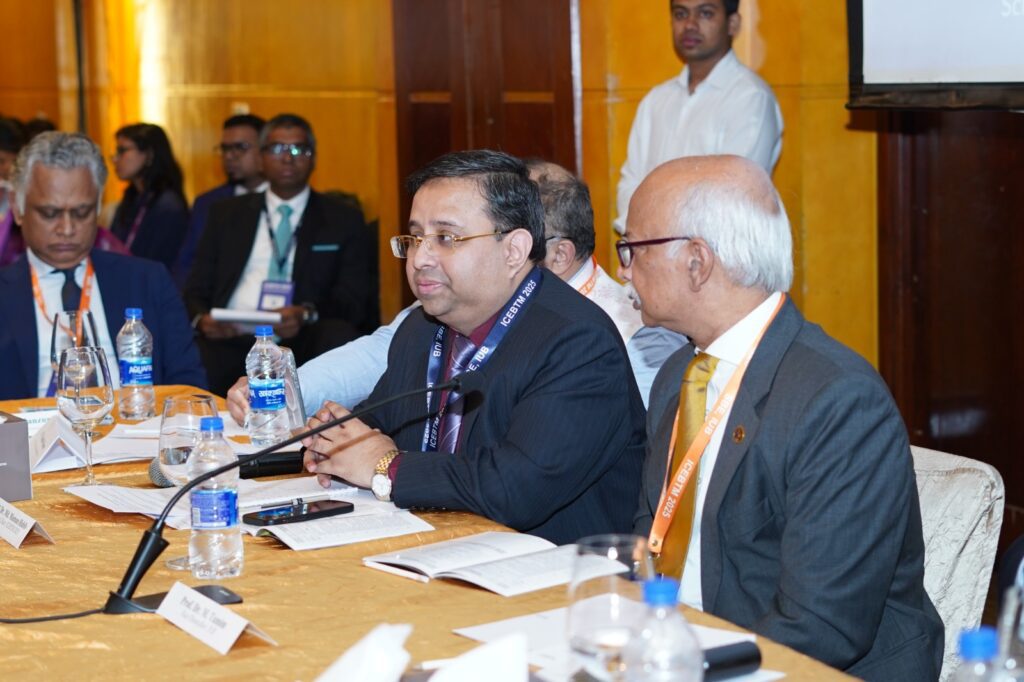
BBF: Were there specific research trends or ideas that stood out during the conference?
Prof. Habib: Several themes consistently emerged across sessions. Sustainability and green business models were central, reflecting both global urgency and local relevance. Research on AI and automation featured prominently, particularly in how these technologies are reshaping business efficiency and decision-making.
Fintech and financial inclusion also received strong attention, with discussions around blockchain, digital payments, and mobile banking as tools to expand access for underserved populations. Industry 4.0, supply chain resilience, and the circular economy were equally important themes, underscoring how technology, sustainability, and economic resilience are now deeply interconnected.
BBF: How do you see ICEBTM 2025 influencing students and early-career researchers?
Prof. Habib: ICEBTM 2025 created meaningful exposure for young scholars. They engaged directly with global experts, industry leaders, and journal editors, which is invaluable at an early stage of an academic career.
Beyond exposure, the conference encouraged critical thinking and innovation. Students saw how research translates into real-world impact, especially through industry case discussions. The emphasis on publication, Scopus-indexed journals, and structured mentorship helped demystify academic pathways.
Initiatives like IUB’s Advancing Undergraduate Research Aspirations (AURA) were reinforced through the conference, contributing to a stronger research culture that extends beyond ICEBTM itself.
BBF: Did the conference generate recommendations relevant to Bangladesh’s economic and technological development?
Prof. Habib: Absolutely. There was a strong consensus on accelerating digital transformation across sectors such as banking, healthcare, education, and manufacturing. Speakers emphasized the need for supportive regulatory frameworks, tax incentives, and startup-friendly policies, particularly as Bangladesh approaches LDC graduation.
Fintech regulation and financial inclusion emerged as priority areas, as did the need for structured academia–industry collaboration in R&D. These insights are directly applicable to Bangladesh’s development trajectory and can inform both policy formulation and private-sector strategy.
BBF: How did international participation shape the conference?
Prof. Habib: International participation elevated both the quality and credibility of ICEBTM 2025. Scholars and experts from the UK, USA, Canada, Malaysia, UAE, and other countries shared global best practices and comparative insights.
Their contributions ensured that discussions were not only locally relevant but globally informed. This exchange strengthened Bangladesh’s visibility as a serious participant in global research and innovation conversations.
BBF: Do you see ICEBTM strengthening Bangladesh’s global academic reputation?
Prof. Habib: Very much so. Hosting a conference of this scale and quality positions Bangladesh as a growing hub for research, innovation, and collaboration. It demonstrates our capacity to convene global talent, align research with industry needs, and contribute meaningfully to sustainability and technology discourse.
Over time, this builds trust, attracts partnerships, and enhances the standing of our academic institutions internationally.
BBF: What key lessons emerged from organising ICEBTM 2025?
Prof. Habib: The importance of interdisciplinary collaboration stood out clearly. Complex global challenges demand integrated thinking across business, technology, and sustainability.
We also learned that technology-enabled participation is essential for inclusivity and global reach. Finally, post-conference engagement matters. Conferences must lead to ongoing collaboration, not end with closing remarks.
BBF: How would you like to see ICEBTM evolve over the next five years?
Prof. Habib: My vision is for ICEBTM to become one of South Asia’s most influential research platforms, hosting over 1,000 participants from across continents. I want it to be known not just for discussion, but for producing research that informs policy, industry practice, and global debates.
ICEBTM should serve as a bridge between emerging economies and the global research community, positioning Bangladesh as a credible, forward-looking center for knowledge, innovation, and sustainable development.
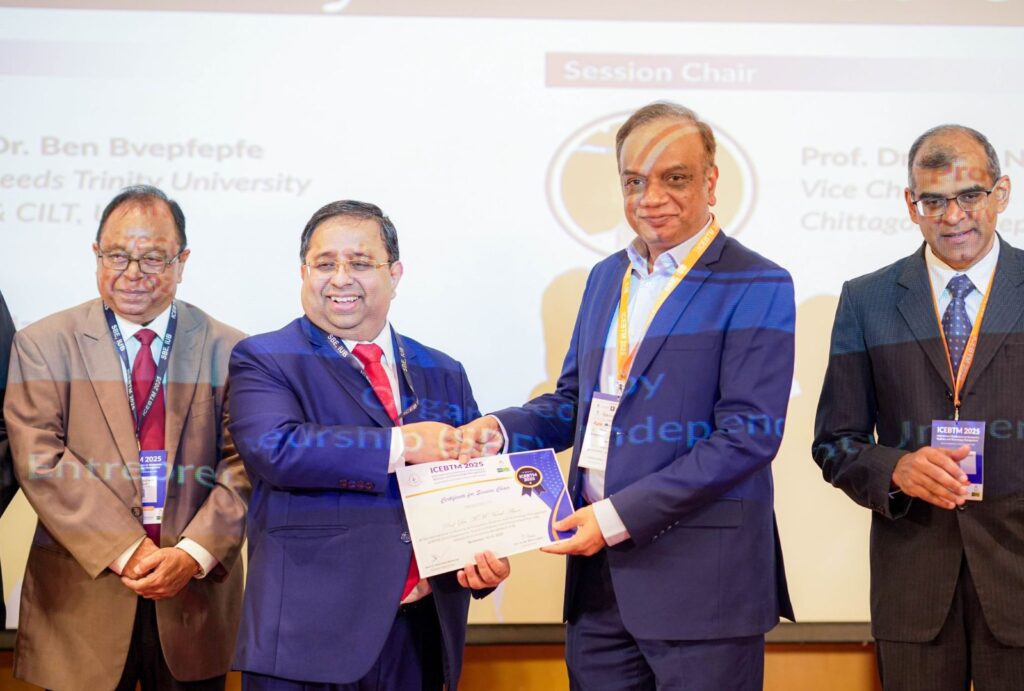
BBF: What was the most memorable moment for you during ICEBTM 2025?
Prof. Habib: Working closely with our student volunteers, the “7 Angels,” was incredibly meaningful. Their dedication over months of preparation embodied the spirit of collaboration that ICEBTM stands for.
I am also deeply grateful for the support of the faculty, university leadership, and the broader organizing team. ICEBTM 2025 was truly a collective achievement.


