The 2025 Bangladesh Investment Summit took place at a critical moment, as confidence in the country’s economic stability started weakening. Inflation is still an issue. According to Bangladesh Bank, it was averaging 9.5% in early 2025. While foreign exchange reserves are slightly higher than last year, they haven’t reached comfortable levels, hovering around $23 billion. Oversight by the IMF has pushed the government to be more transparent in its fiscal messaging, but doubts about implementation remain.
This summit tested Bangladesh’s credibility with long-term investors after two years of mixed signals. Unlike past events, which leaned heavily on promotional cheer, this one struck a more pragmatic tone.
On the ground, the atmosphere was cautious. Investors weren’t looking for bold promises. They wanted to see signs that real reforms were underway, not just in documents but in actual systems. That expectation shaped the sessions and forced the government to adjust how it presented its case.
Who Attended and Why It Matters
The summit drew a wide range of stakeholders with real interests in Bangladesh’s economic future. Delegations from Japan, the UAE, Singapore, and several European countries included both government and private sector figures. These weren’t ceremonial appearances. Sovereign wealth funds, energy firms, logistics companies, and trade agencies all had clear investment goals.
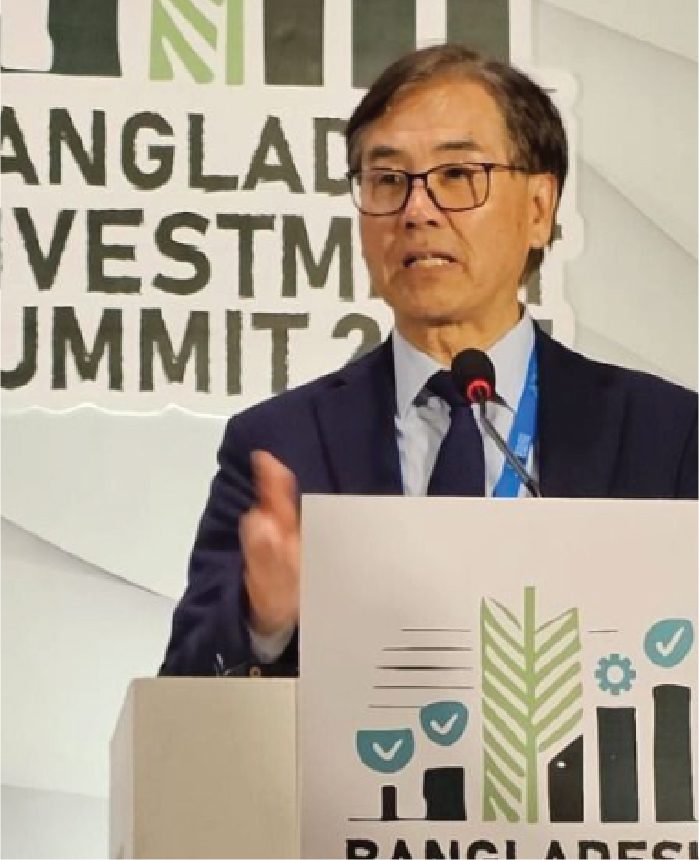
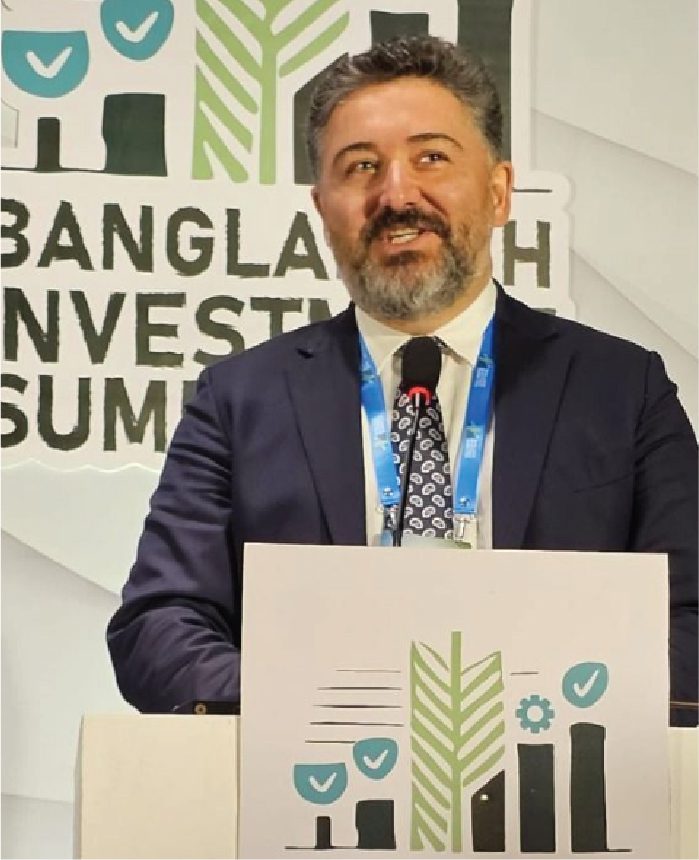
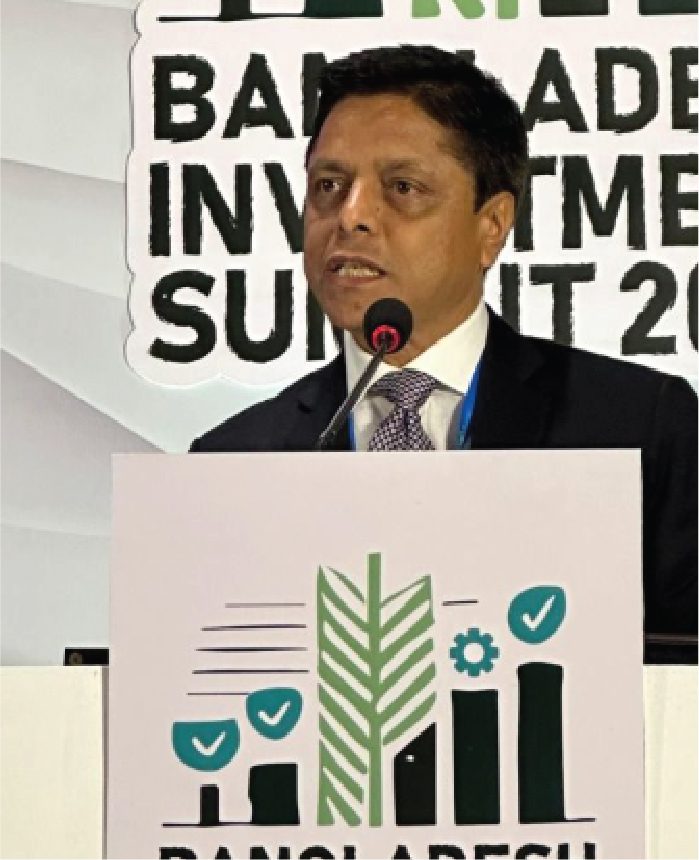
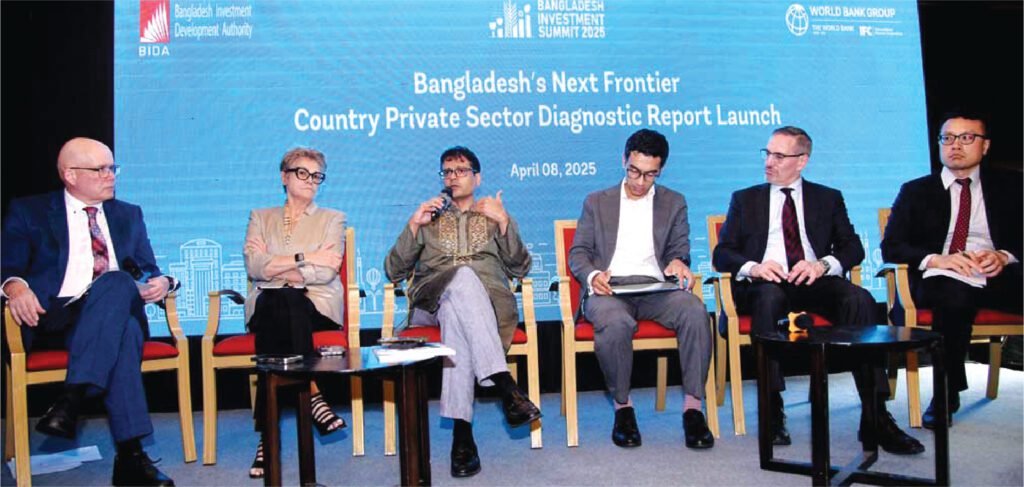
Major development institutions were also involved. The World Bank, ADB, and IFC were active across many sessions, not just as financiers but as potential co-investors. Their contributions went beyond generic remarks and included data, comparisons, and policy critiques, such as the IFC’s recent Bangladesh Country Private Sector Diagnostic report, which emphasized transport bottlenecks and regulatory opacity.
Domestically, agencies like BIDA and BEZA were prominent, along with leaders from major local businesses in infrastructure, finance, and heavy industry. That balance between international capital and local execution capacity stood out.
Perhaps most noteworthy was the mix of new and returning investors. First-timers asked detailed questions about regulations, legal protections, and timelines, while veterans of the market were more direct. Many shared past frustrations with licensing and logistics concerns, which have been previously documented in the World Bank’s Doing Business indicators, where Bangladesh has consistently ranked low in ease of starting a business. Their feedback wasn’t confrontational but informative, giving policymakers insights and warning newcomers of the challenges.
How the Summit Was Structured
The summit aimed to balance broad exposure with detailed discussion. Across two days, over a dozen sessions tackled topics from infrastructure finance to digital innovation. Each had its own agenda, though the quality varied.
High-level plenaries kicked things off with familiar messages about Bangladesh’s location, young population, and market size, which is home to over 170 million people, with a median age of 27. These were crafted for mass appeal. However, the more valuable discussions came later in technical panels, especially those focused on regulation, logistics, and energy.
Smaller breakout sessions attracted a more targeted crowd. Foreign investors used these meetings to ask about customs procedures, tax systems, and capital repatriation. Energy and manufacturing panels were packed. Sessions on startups had fewer institutional players but drew interest from regional tech watchers.
The summit had its share of promotional content, including videos and polished speeches. Still, many attendees found the most value away from the spotlight in one-on-one meetings, hallway conversations, and informal follow-ups that could prove more meaningful than what happened on stage.
What the Chief Advisor’s Speech Really Meant
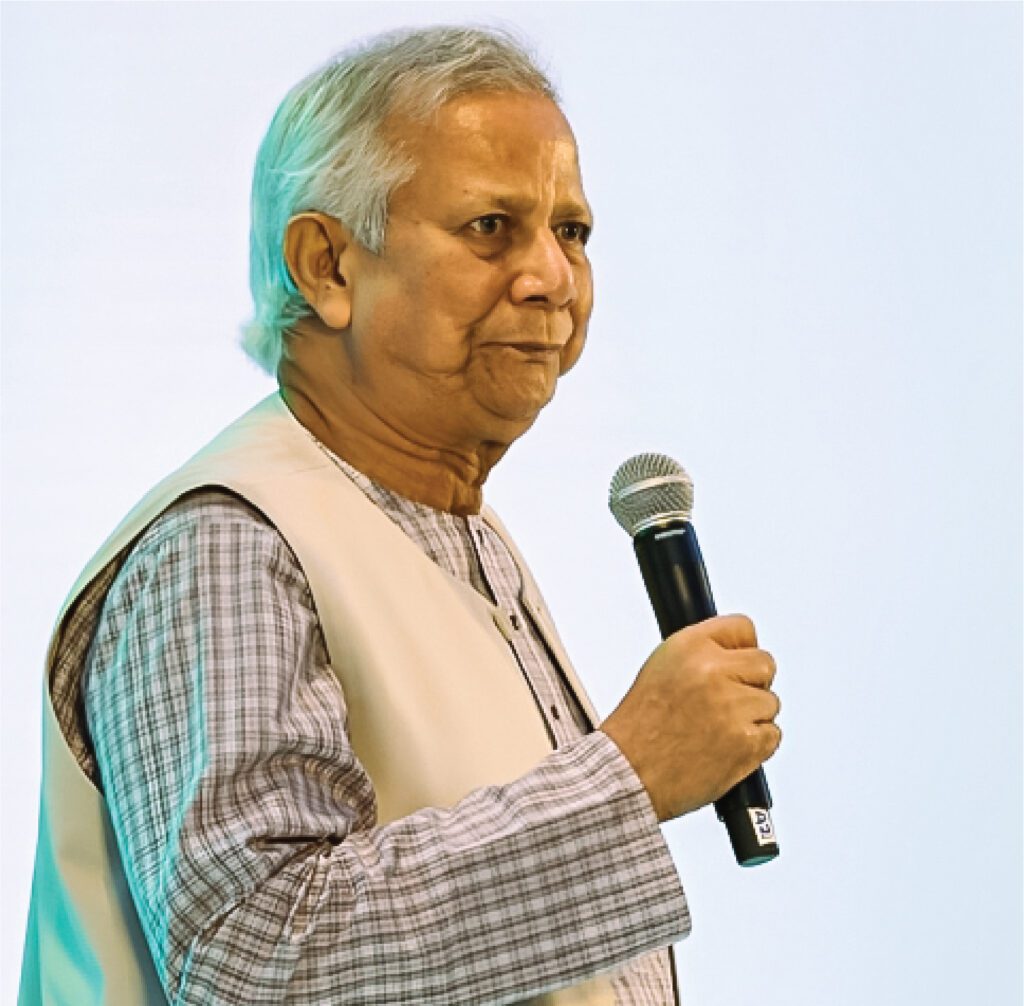
The Chief Advisor’s opening remarks set the summit’s tone. Instead of making big promises, the speech focused on discipline, credibility, and a long-term approach. It mentioned fiscal reform, better governance, and a push toward regulatory transparency.
Focusing on stability and accountability, the message seemed aimed not just at investors but also at lenders and credit agencies, especially Moody’s and S&P, which have both placed Bangladesh under review for potential downgrade due to external vulnerability and governance risks. The key point was that Bangladesh plans to stabilize first and grow second. This message reassured investors wary of overambitious plans.
Still, the speech lacked concrete timelines. Land digitization and automation were mentioned, but there were no deadlines. Nor was there a strong call to decentralize decision-making, a frequent request from private sector players.
The delivery was careful, suggesting confidence without overreaching. For a room full of analysts, this was likely the smarter strategy. Rather than asking for trust, the speech asked for patience and maybe a second look.
What Was Promised to Investors
Several specific pledges were made to improve the investment climate. A key highlight was the plan to launch a single-window service through BIDA. Officials said this platform would eventually offer over 150 services, from licensing to tax registration, with clearer timelines and less red tape. This move aligns with recommendations from the OECD’s Investment Policy Review.
Land access was another focus. BEZA announced that more industrial plots would be made available under new lease terms, aiming to make land acquisition more predictable and transparent.
Regulatory incentives were also highlighted, including tax breaks for export sectors, lower duties on machinery, and updated arbitration laws based on global standards such as the UNCITRAL model law. These weren’t entirely new but were presented with a firmer commitment to enforcement and internal monitoring.
However, questions remained about how these promises would be tracked or enforced. For experienced investors, the pledges were familiar. What mattered most was whether the follow-through had improved.
Which Sectors Drew the Most Attention
Infrastructure and energy stood out as the top draws. Talks centered on logistics corridors, port upgrades, and modernizing the national power grid. These areas had strong government backing and clear funding needs, which made the opportunities easier to grasp. Infrastructure funds from the Gulf showed interest in proposed public-private partnerships for transport and logistics.
Manufacturing aimed at exports was also in the spotlight. Light engineering, auto parts, and medical devices were discussed as next-wave industries beyond garments. Officials pointed to growing trade ties with Southeast Asia and the Middle East as market enablers.
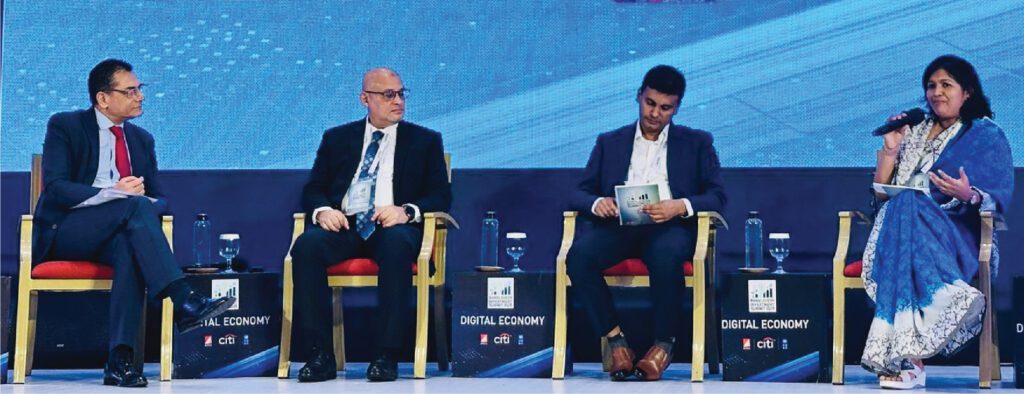
Digital technology was of interest, but with some hesitation. Presentations covered data centers, fintech, and digital payments. Yet, investors remained concerned about unclear data rules and weak capital markets to support scale, a concern echoed in the UNCTAD 2024 Digital Economy Report, which highlighted regulatory uncertainty as a barrier in frontier markets.
Agriculture wasn’t featured in the main sessions, but it came up in side talks. Areas like food processing, cold storage, and supply chain tech were seen as ripe for structured investment.
Startups and Tech Got the Spotlight, But Were Investors Convinced?
The sessions deliberately spotlighted tech. They covered software exports, fintech, and data infrastructure. The government pitched “Smart Bangladesh” as the next growth driver. Startup founders shared examples in agri-tech, logistics, and digital payments.
However, Investor feedback was mixed. Venture funds liked the ambition but noted that the ecosystem is still young. The lack of exit options, especially via public markets, was a major concern. Some officials acknowledged this but didn’t offer clear fixes. The Dhaka Stock Exchange, for instance, still lacks a tech-friendly SME board despite prior proposals.
Investors focused on data centers had legal and operational questions about data laws, government oversight, and energy stability. These concerns have been raised before and still lack a clear resolution.
Still, local startup founders made the most of the spotlight. They spoke clearly about challenges and were well-prepared. The overall takeaway, though, was that while digital potential is growing, more institutional support is needed to attract serious capital.
The interest was real. Turning that into an investment is the next challenge.
The Case for Investing in Infrastructure
Infrastructure emerged as the most actionable area. From large sessions to small panels, officials emphasized project readiness, with land allocated, studies done, and plans aligned with global funding standards. As of early 2025, over 50 major infrastructure projects have been listed in the PPP Authority’s pipeline, many with feasibility studies completed under ADB and JICA frameworks.
Top priorities included port terminals, expanded industrial zones, better rail freight, and solar power. A pipeline of more than 50 projects was shared, and many included PPP models with gap funding and government guarantees. This is consistent with the 2023 PPP Framework Update that introduced viability gap funding and sovereign risk coverage.
Transport and logistics got particular attention. Some investors questioned coordination between ministries, especially where roads meet ports. Others flagged slow procurement processes that have stalled past efforts. For instance, the Matarbari Port development, co-financed by JICA, has faced delays due to inter-agency overlap and prolonged land clearance.
Energy was another strong draw, especially renewables. The demand is there, but so are concerns about pricing, tariff stability, and guarantees for energy buyers. Without clearer rules, some investors said they would hold back. In 2024, over 70% of new energy proposals were renewables, yet PPA finalization remains slow due to regulatory ambiguity and off-take risk.
Still, this track felt the most forward-leaning. The projects are there. So are the risks. But unlike in some sectors, timelines were clearer and discussions more practical.
What Was Left Unsaid
For all its range, the summit didn’t touch on some key structural issues. One major gap was the banking sector. While the central bank mentioned better oversight and digital tools, there was no detailed discussion of bad loans or recapitalization. As of Q1 2025, the non-performing loan (NPL) ratio in state-owned banks stands above 16%, according to Bangladesh Bank.
Land acquisition also needed more focus. While zones were discussed, broader issues like land disputes and digital land records outside the zones were mainly ignored. According to Transparency International Bangladesh, only 25% of land ownership is currently reflected in digital registries.
Fiscal reform was briefly mentioned, but no firm steps were shared. Topics like cutting subsidies, raising revenue, or rethinking public spending were absent. The IMF’s 2024 review noted that Bangladesh’s tax-to-GDP ratio remains one of the lowest in Asia, at around 8.7%.
Labor market concerns also flew under the radar. Issues like skills shortages and workforce mobility matter for productivity, but didn’t make it into the spotlight. The World Economic Forum’s 2024 Human Capital Index ranked Bangladesh 103rd out of 132 countries, citing weak vocational systems and limited female participation.
None of this was surprising. These topics are politically sensitive and difficult to tackle. Still, the silence was noticeable for investors with a long-term view.

Why Local Investors Still Feel Sidelined
While the summit focused on foreign capital, domestic investors felt left out of key moments. Some major local financial players were present but had little speaking time. Pension funds, insurers, and mutual funds were barely mentioned.
Bangladesh’s capital markets remain underdeveloped. Yet little was said about tapping domestic capital for large projects. The Dhaka Stock Exchange’s market capitalization is only about 14% of GDP, compared to over 80% in India and Malaysia.
Trust is also an issue. Local financiers often better understand real-world risks, but their input is rarely included in policy decisions. A balanced investment strategy needs both foreign and domestic capital. Without that, the system feels incomplete.
Where Geopolitics Fit into the Investment Picture
Geopolitical dynamics were in the background throughout the summit. Bangladesh’s location between South and Southeast Asia is a strategic advantage, but it also means careful navigation.
Japan highlighted quality infrastructure and regional trade integration. India emphasized logistics and energy links. Especially the India-Bangladesh Friendship Pipeline and cross-border electricity trade. Chinese involvement was quieter this time, with Belt and Road talks happening offstage. The Gulf states, especially the UAE and Saudi Arabia, focused on ports, energy, and tech.
Bangladesh has tried to stay neutral, avoiding alignment with any one group. That flexibility is useful for keeping multiple options open. But it also demands diplomatic balance. Leaning too far in any direction could limit future deals in trade or tech.
These dynamics matter. They shape financing terms, risk appetites, and project timelines. Handling them well is as crucial as having a good reform plan.
What Investors Are Still Worried About
Interest from investors is real, but so are their concerns. Land access tops the list. Despite policy updates, getting land with clear titles and reliable leases is still difficult. A 2023 World Bank survey showed that over 60% of investors consider land acquisition the biggest bottleneck in Bangladesh.
Legal certainty is another issue. Investors want consistent rules on contracts, dispute resolution, and coordination across agencies. In long-term sectors like energy, the absence of trusted arbitration mechanisms is a serious barrier. Although a new Arbitration Act was drafted in 2024, its implementation has not yet begun.
Some also raised concerns about political transitions. It’s not about who is in charge, but whether reforms will outlast current leadership. That kind of stability is what long-term capital needs. Historically, major reforms in Bangladesh have often stalled or reversed after political shifts.
Overall, investors are cautiously optimistic. They’ve heard good things, and now they’re waiting to see real action.
Is This a Real Shift or Just a Rebrand?
For those familiar with earlier summits, this year felt different, but mainly in tone. The themes were the same: infrastructure, digital growth, and exports. What changed was the way they were discussed.
Officials were better prepared and more candid about past failures. The content was more detailed, less promotional.
What’s happening now feels like the start of a mindset shift. There’s more openness to feedback and more willingness to speak plainly. That’s progress.
But is it just a better presentation, or the start of real reform? Right now, it’s a little of both.
The Way Forward After the Applause Ends
The summit generated real energy. There were new commitments, stronger relationships, and an expanded pipeline of deals. But the real test is what happens over the next 6 to 12 months. Without follow-through, the event risks being just another high-profile show.
BIDA said a new working group will monitor investor progress, project conversion, and service gaps. The details are vague for now, but the idea is to keep momentum going. Some foreign investors said they’ll wait to see if their meetings result in actual follow-ups, or if things fade after the media moves on.
Execution will depend on coordination across ministries, which is still the biggest unknown. Many reforms, such as taxes, land, and infrastructure, require agencies to work together. The summit’s success hinges less on new ideas and more on consistent delivery.
Investors aren’t expecting miracles. They just want predictability. If Bangladesh can show it’s learning from past delays and enforcing accountability, the summit could mark a turning point.
Author: Rafsan Ahmed