
As Bangladesh accelerates toward a digitally driven economy, fintech has emerged as one of the country’s most consequential frontiers for innovation, inclusion, and institutional transformation. The Mastercard Presents 5th Bangladesh Fintech Summit 2025, held on November 8 at Pan Pacific Sonargaon Dhaka, arrived at a defining moment for the sector, when scale, adoption, and ambition are no longer theoretical but visibly taking shape across banking, payments, startups, and policy circles. Convened by Bangladesh Fintech Forum, the summit brought together an influential cross section of banking and fintech leaders, regulators, investors, technology experts, startup founders, and academics, creating a rare space for candid dialogue on where Bangladesh’s digital finance journey stands today and how it must evolve over the next decade.
The summit was graced by Shish Haider Chowdhury, ndc, MCIPS (CS), Secretary, ICT Division, Ministry of Posts, Telecommunication and Information Technology, Government of the People’s Republic of Bangladesh, as the Honourable Chief Guest. In his address, he underscored the need to encourage innovation while strengthening policy readiness and trust across the financial system, noting that coordinated effort and a clear national vision are essential for Bangladesh to secure a strong position in the global digital economy. His remarks set the tone for a day of discussions that balanced ambition with responsibility and innovation with institutional resilience.
Welcoming the distinguished guests, Shariful Islam, Founder and Managing Director, Bangladesh Brand Forum, highlighted the rapid evolution of Bangladesh’s fintech sector and the importance of collective leadership in shaping its next chapter. He emphasized that the summit was designed not only to acknowledge how far the ecosystem has come, but also to recognize the scale of opportunity ahead. Calling for deeper collaboration, long-term thinking, and a shared commitment to innovation, he framed fintech as a national growth engine that can strengthen institutions, empower people, and drive sustainable economic progress.

Anchored around the theme “Future of Fintech: Digital, Decentralized, Democratize,” the day-long summit moved beyond celebrating milestones to confront critical questions of execution, interoperability, regulatory alignment, and real-world impact. From keynote reflections on digital finance as a national productivity mission to panel discussions on open banking, policy reform, and algorithmic finance, the conversations consistently pointed to a sector at an inflection point. Speakers stressed that while Bangladesh has built strong digital rails and achieved impressive adoption, the next phase of growth will depend on how effectively innovation is translated into inclusive, scalable, and trusted financial solutions.
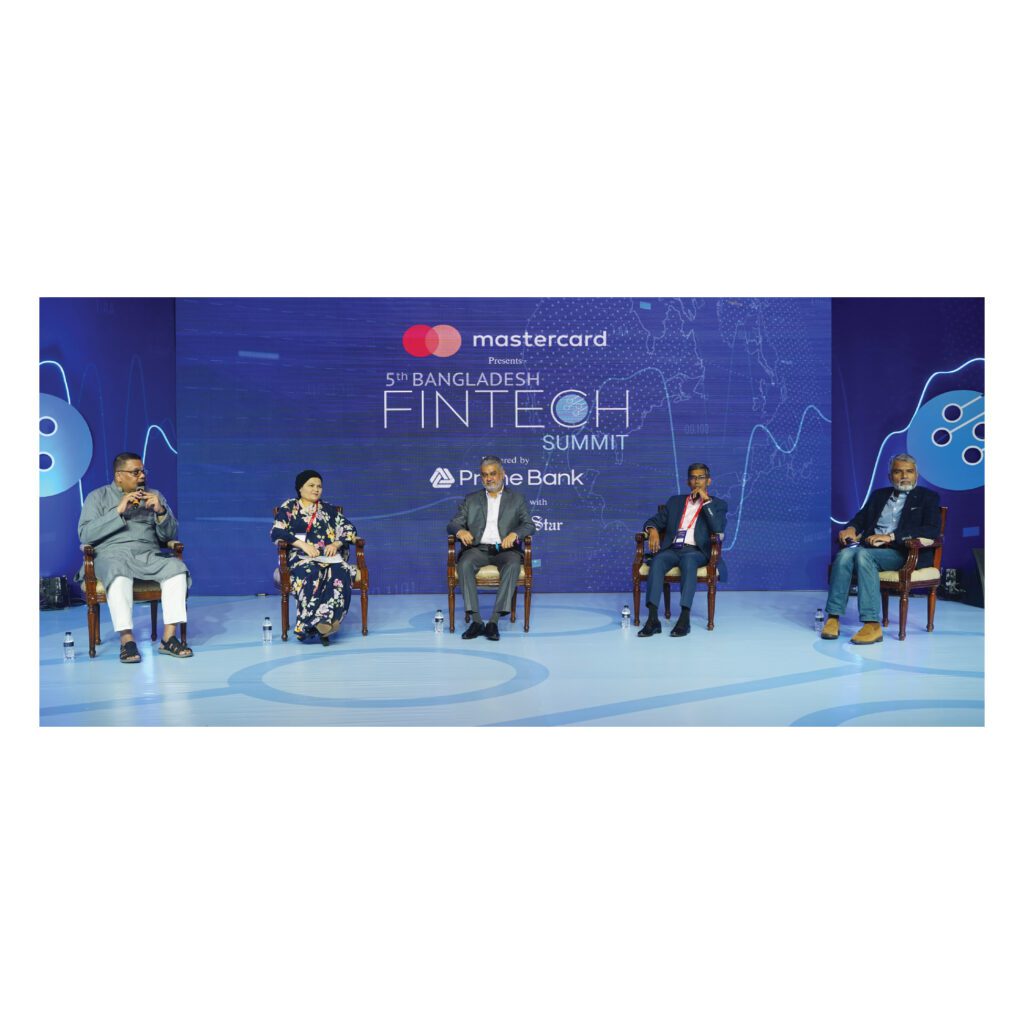
With insights from senior policymakers, industry leaders, and global experts, the summit reinforced a shared belief that fintech is no longer a parallel or experimental domain, but a core pillar of Bangladesh’s economic future. The sessions that follow capture the depth and diversity of these discussions, reflecting a collective effort to rethink digital finance not just as a set of technologies, but as a dynamic ecosystem shaped by policy, capital, talent, trust, and long-term national purpose.
Session: Keynote
Theme: The Digital Finance Opportunity: Can Bangladesh Leap Ahead?
Speaker: Osman Ershad Faiz, Additional Managing Director & Chief Operating Officer, Eastern Bank PLC.
The keynote highlighted that Bangladesh already possesses the fundamental building blocks for large-scale fintech inclusion, but true progress depends on moving beyond basic digitization toward meaningful value creation in areas such as credit, savings, insurance, and long-term wealth solutions. It emphasized that limited access to funding remains the most critical constraint for fintech startups, and that structured collaboration models involving banks, innovators, and regulators, similar to global best practices, can unlock more sustainable financing. The discussion underscored the importance of micro-savings, starter credit, and engaging financial tools to bring younger and underserved populations into the formal system. It also pointed to the need for interoperable systems, simplified cross-bank connectivity, and identity-protected payment mechanisms to reduce friction and improve efficiency. Overall, the session framed digital finance as a national productivity agenda, driven by AI-enabled credit assessment, unified KYC frameworks, and stronger cyber governance, with the potential to transform SME lending, remove intermediaries, and support Bangladesh’s long-term economic ambitions.
Session: Panel Discussion
Theme: Leadership Panel Discussion: How to Build a Thriving Fintech Ecosystem in Bangladesh
Moderator: Gitanka D. Datta, Director – Financial Institutions, Infinigent Consulting, Banker & Payment Professional.
Panellist: Syed Sazzad Haider Chowdhury, Deputy Managing Director & Chief Information Officer, Prime Bank PLC.; Mohammad Ali, Managing Director & CEO, Pubali Bank PLC.; Mohammad Mamdudur Rashid, Managing Director & CEO, United Commercial Bank PLC.
The discussion highlighted that building a strong and inclusive fintech ecosystem in Bangladesh requires a clear shift beyond payment-centric models toward digital credit, structured savings, and the use of alternative data to reach underserved segments more effectively. It stressed that regulatory consistency is critical for sustaining confidence in the system, and that incidents related to security should lead to improved safeguards and governance frameworks rather than the suspension of essential digital services that millions rely on. The panel noted that existing consent, identification, and data-sharing mechanisms are no longer adequate for a connected digital finance environment, calling for modern frameworks that allow secure and seamless interoperability among banks, mobile financial service providers, and fintech platforms. It also recognized the evolving nature of customer behavior, where younger users increasingly demand fully digital, frictionless journeys, while older and higher-value customers continue to prefer relationship-based, human-assisted interactions, making it necessary to design parallel service models that address both expectations. The discussion further emphasized that banks and MFS providers bring complementary strengths to the ecosystem, with banks playing a central role in credit, deposits, and wealth creation, and MFS providers excelling in payments and last-mile access, and that deeper collaboration between them can significantly broaden financial inclusion. Finally, it drew attention to the continued reliance on manual processes in areas such as trade finance and core banking, suggesting that the adoption of digital letter of credit systems, shared Software as a Service platforms, and AI-driven solutions could substantially reduce processing delays, improve efficiency, and strengthen the overall resilience of the financial system.
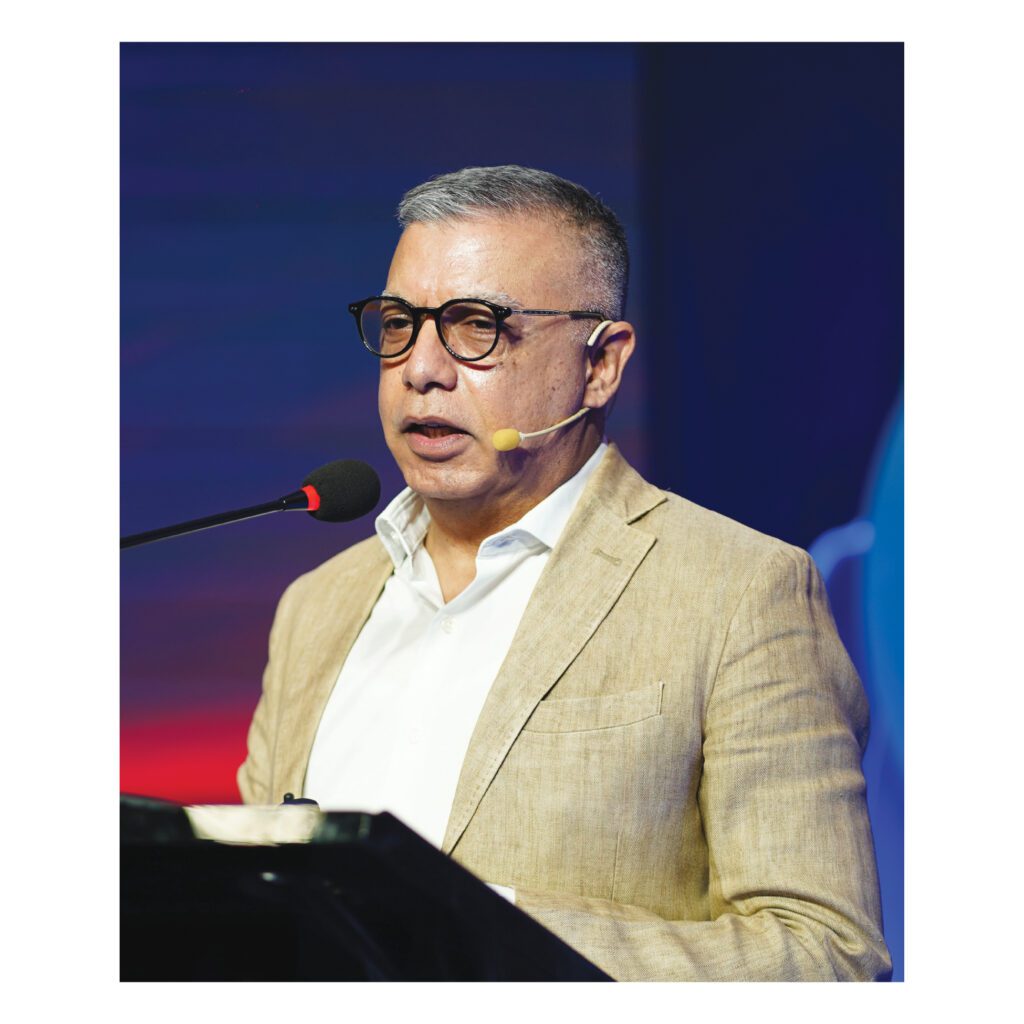
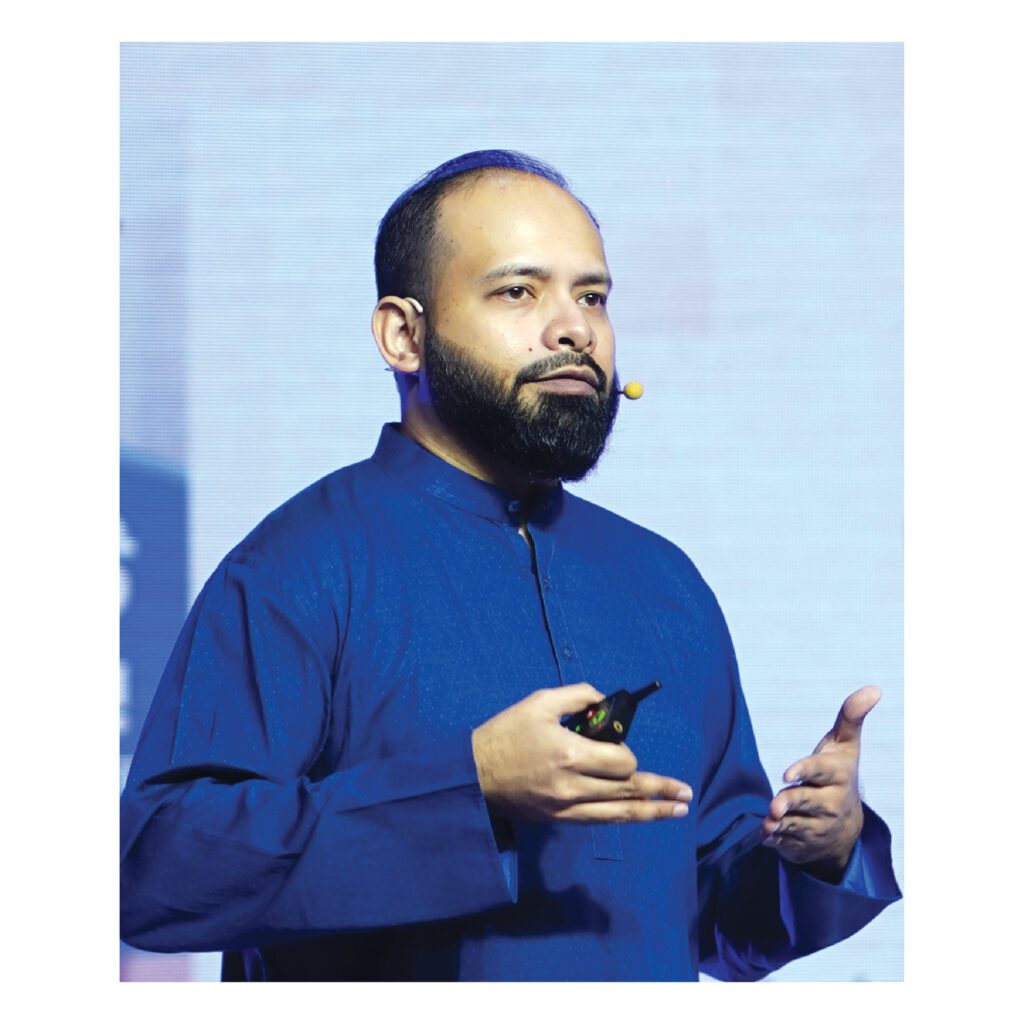 Key insights from Bangladesh Fintech Summit 2025 on digital finance, open banking, innovation, and financial inclusion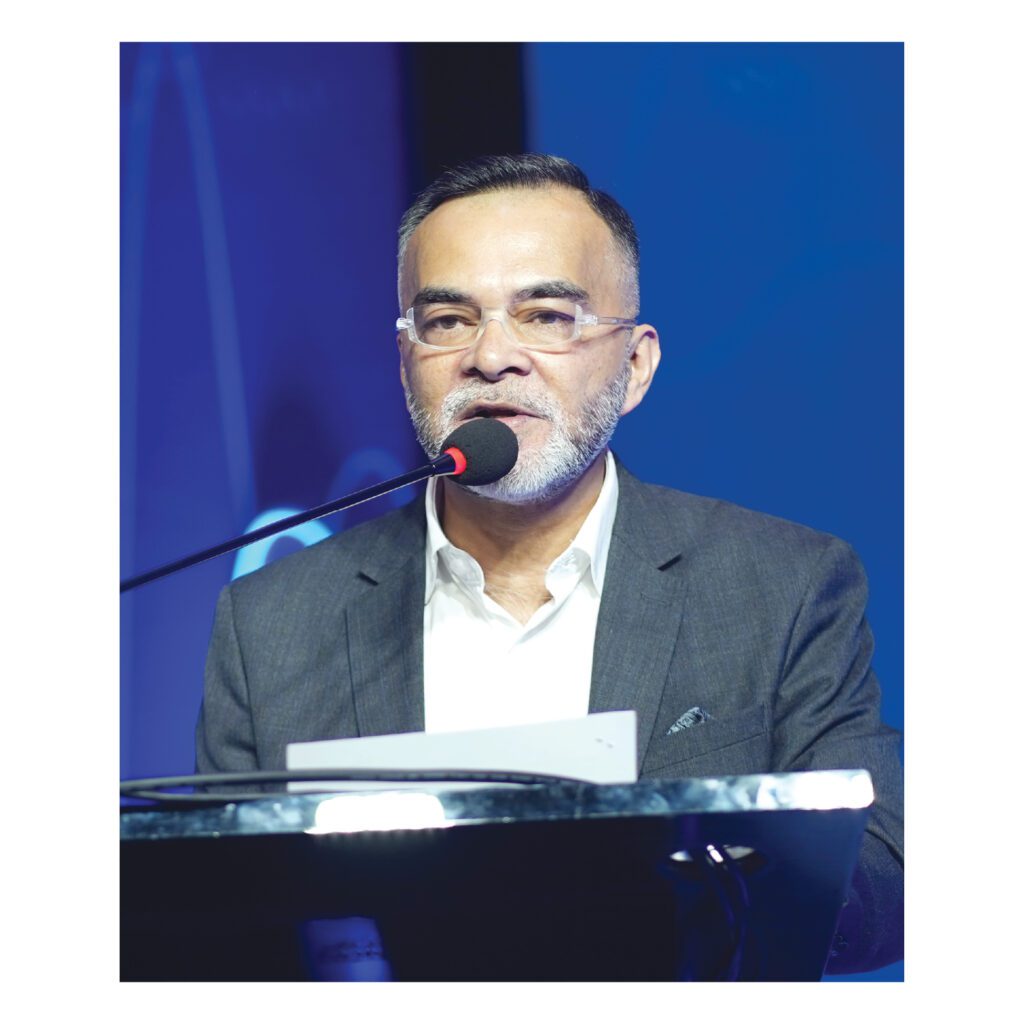
Session: Case Study
Theme: Frictionless Finance in Bangladesh
Speaker: Fahim Ahmed, Managing Director & CEO, Pathao Inc.
The case study presented a vision of frictionless finance built on universal access, wide acceptance, and instant payments, supported by strong data protection, easy access to credit, and seamless domestic and cross-border transfers. It highlighted that progress toward this vision is still constrained by persistent challenges such as heavy cash dependence, high digital transaction costs, low tax compliance, slow remittance processes, and a growing risk of fraud. The discussion emphasized that focused policy reforms, including shared e-KYC systems, a universal agent network, widespread adoption of Bangla QR, fair pricing, and incentives for digital payments, could significantly accelerate adoption across the economy. Fahim Ahmed illustrated how deeper industry collaboration through shared APIs, improved access to credit data, and smoother operational processes can lower costs, reduce fraud, and make digital payments more accessible for users and merchants. The case study also showed strong merchant benefits, including instant payouts, early access to up to 85 percent of earnings, and simple financial management tools. Using Pathao Pay as an example, it demonstrated how integration with NPSB and ATM networks can shorten a seven-day cash cycle to instant settlement, resulting in a 35 percent increase in transactions and reinforcing the potential of frictionless digital finance in Bangladesh.
Session: Keynote
Theme: Building Trust, Speed, and Inclusion: Aligning Innovation, Regulation, and Real-World Impact
Speaker: Sheikh Aminur Rahman, Chief Executive Officer, Prime Bank Fintech Limited
.The keynote emphasized that Bangladesh is entering a decisive phase in its digital finance evolution, with monthly mobile financial service transactions reaching BDT 1.64 trillion, reflecting deep consumer acceptance and growing reliance on digital channels. It highlighted that while technology has advanced to operate at near-instant speed, financial innovation is often slowed by extended internal approvals and procedural delays, making faster and more adaptive decision-making essential to sustain momentum. The session stressed the responsibility of regulatory institutions to preserve financial stability while still allowing innovation to flourish, noting that progress depends on balance rather than restriction. Sheikh Aminur Rahman articulated the importance of creating a human bridge between innovators and compliance teams so that risk controls remain strong without undermining user experience or trust. He also pointed out that recent central bank policies have already opened pathways for fintech growth, and that the real challenge now lies in execution, adoption, and scaling solutions across the economy. The keynote further demonstrated tangible impact by highlighting how micro entrepreneurs using digital tools are achieving 15 to 20 percent higher sales, reinforcing the role of fintech as a practical engine for speed, inclusion, and sustainable business growth in Bangladesh.
Session: Panel Discussion
Theme: Open Banking: Redefining Financial Services for the Next Decade
Moderator: Rahel Ahmed, Former Managing Director & CEO, Prime Bank PLC.
Panellist: Humaira Azam, Managing Director, LankaBangla Finance PLC.; Sharafat Ullah Khan, Director, Payment Systems Department, Bangladesh Bank; Arfan Ali, Chairperson, Zaytoon Business Solutions; Former President & Managing Director, Bank Asia PLC.; Sabbir Ahmed, Country Manager (Bangladesh, Nepal and Bhutan), VISA.
The discussion stressed that the successful rollout of open banking in Bangladesh must begin with a unified application programming interface standard that enables banks, fintechs, and other financial service providers to connect through a common, secure framework. Without this shared standard, data exchange remains fragmented and inefficient, limiting innovation and scale. The panel emphasized that a defining principle of open banking is that customers, not institutions, own their financial data, which makes transparent consent mechanisms and sustained customer education essential for building trust and confidence in data sharing. It noted that many users still lack awareness about how their data is used and protected, and that this knowledge gap, combined with concerns around security, continues to slow adoption. The discussion highlighted the need for stronger security frameworks, clearer accountability, and communication that speaks directly to customer benefits rather than technical complexity.
The panel also observed that Bangladesh is not starting from scratch, as the country already has strong digital financial infrastructure in place, including established payment and settlement systems. By strengthening interoperability and better linking these existing digital rails, the transition to open banking can be made more practical and cost-effective. It was emphasized that credit bureaus and financial institutions merely store customer information, while true ownership rests with the customer, and banks must take a proactive role in explaining data rights and how informed consent can lead to better credit access, more tailored products, and improved financial outcomes. Looking ahead, the discussion suggested that once standards, security, and trust frameworks are firmly established, open banking can unlock a range of high-impact services such as unified views of multiple accounts, smarter subscription tracking, and personalized financial recommendations. These use cases were positioned as critical steps toward redefining financial services in Bangladesh over the next decade by making them more transparent, customer-centric, and innovation-driven.
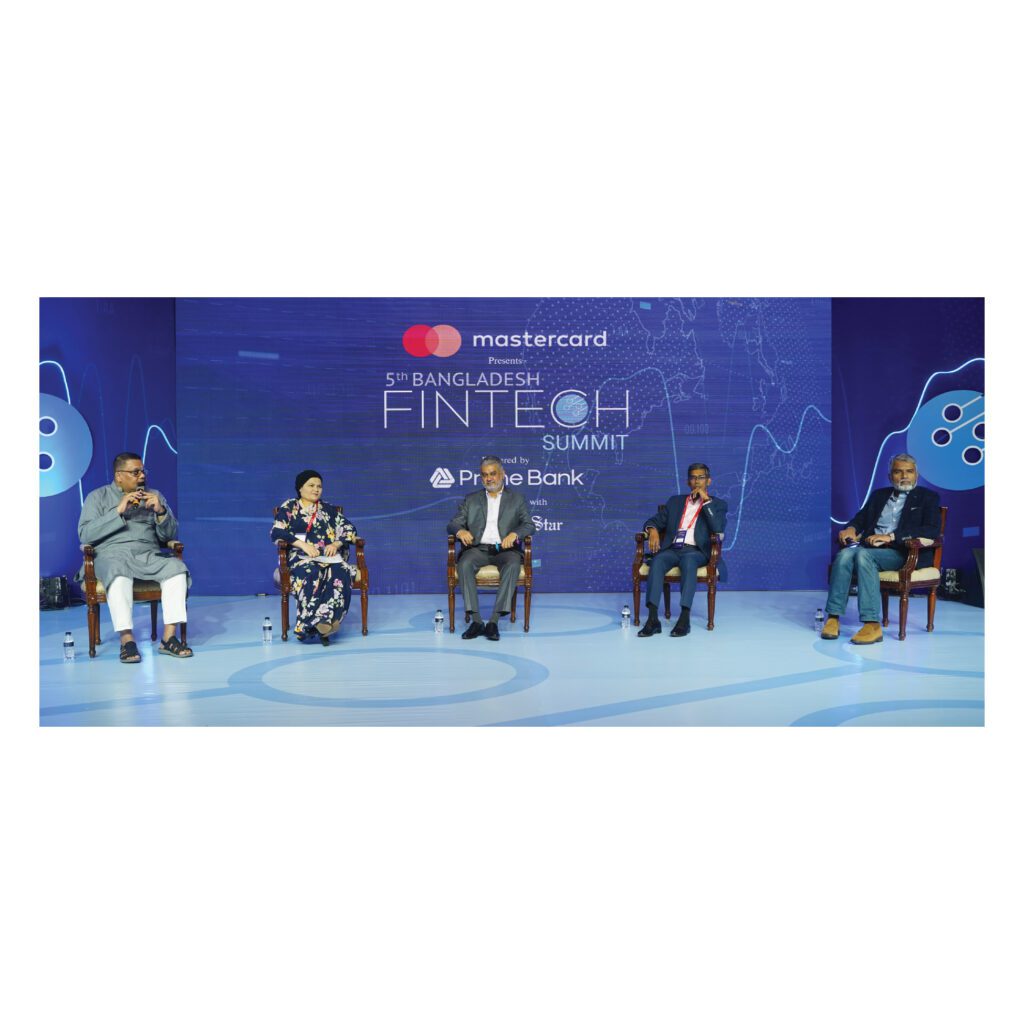 Session: Keynote
Theme: Building an Innovation-Driven Open Banking ecosystem: Rethinking Digital Finance for the Next Decade
Speaker: Sopnendu Mohanty, Group Chief Executive Officer, Global Finance & Technology Network (GFTN); Advisor, Monetary Authority of Singapore, Government of Singapore
The keynote highlighted that open banking cannot follow a single global template, as different markets have shaped their models around distinct priorities, with some focusing on inclusion, others on competition, and others on innovation through a balanced blend of both. It emphasized that fair and reciprocal data sharing is fundamental to a sustainable open banking ecosystem, warning that participants who only extract data without contributing value will eventually fall out of the system. The discussion stressed that central banks have a pivotal role in enabling meaningful bank and fintech collaboration by setting clear national application programming interface standards and aligning them with unified digital finance policies. Sopnendu Mohanty emphasized that digital public infrastructure must go beyond connectivity and prioritize robust electronic KYC systems, strong data governance frameworks, and the continuous development of technology talent to sustain long-term innovation. The keynote also argued that fintech must evolve beyond payments, noting how a shift toward business to business fintech has unlocked deeper enterprise value and more resilient growth in advanced ecosystems. It further highlighted a changing capital landscape, where venture capital is becoming more selective and private equity is gaining prominence, making financial literacy, founder preparedness, and long-term capital planning more critical than ever. Overall, the session positioned innovation-driven open banking as a strategic national effort that links policy, infrastructure, talent, and capital to redefine digital finance for the next decade.
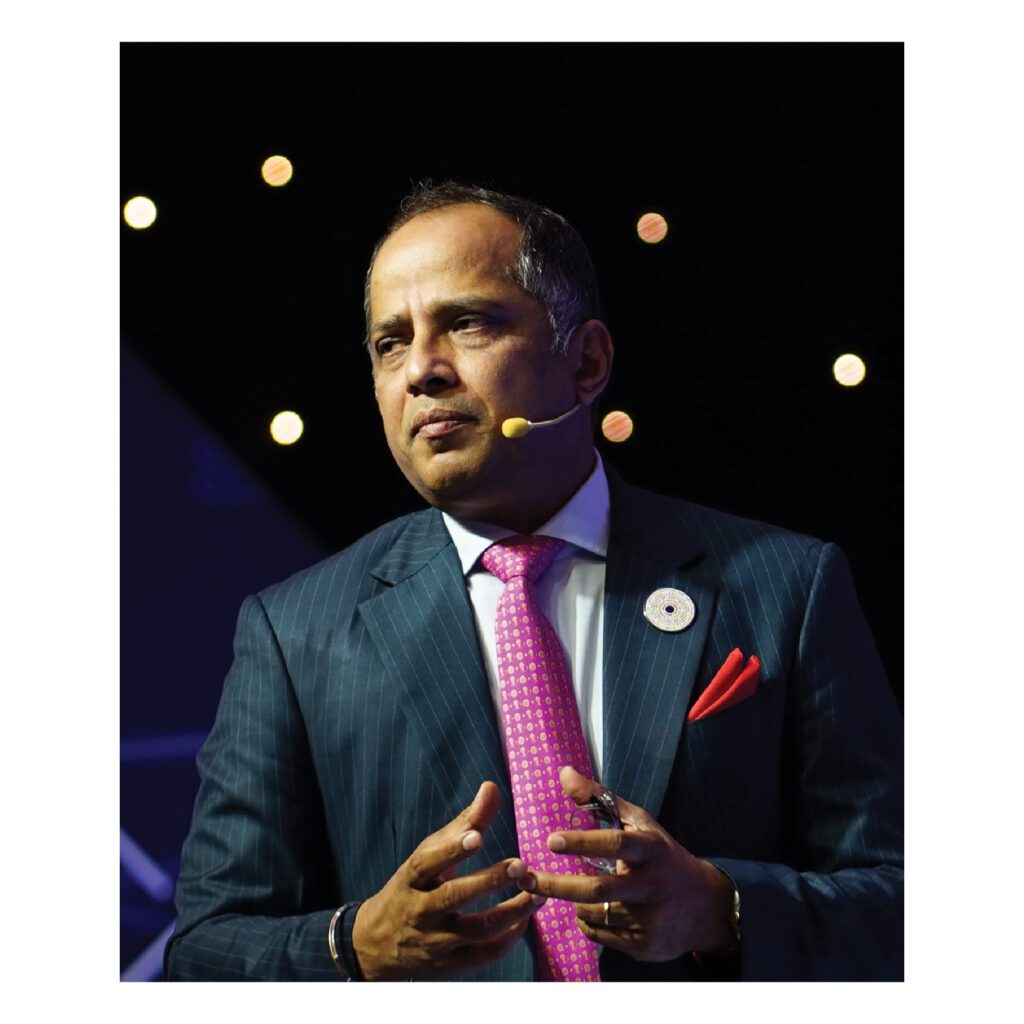
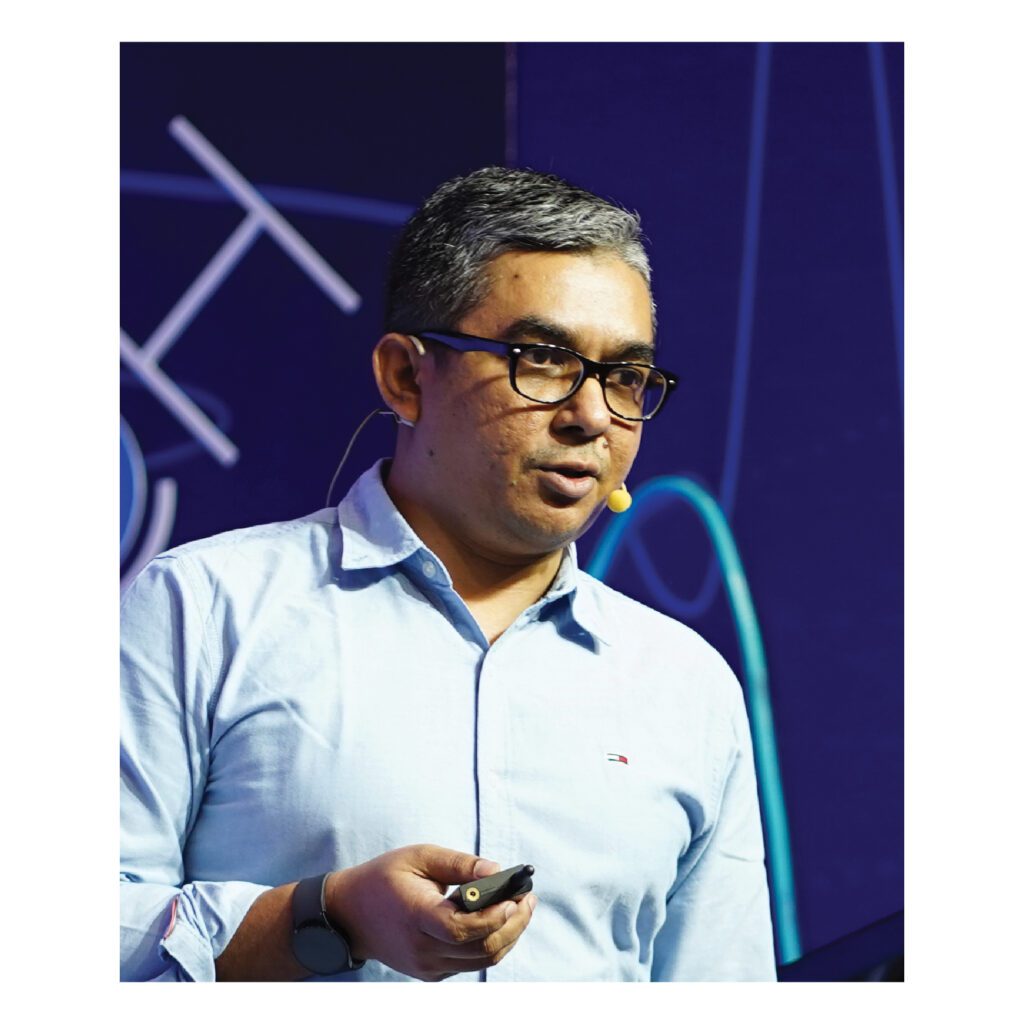

Session: Panel Discussion
Theme: Policy Dialogue: From Compliance to Competitive Advantage Rethinking Regulation in the Age of Algorithmic Finance
Moderator: Syed Mohammad Kamal, Country Manager, Mastercard Bangladesh
Panellist: Syed Mahbubur Rahman, Managing Director & CEO, Mutual Trust Bank PLC.; Mashrur Arefin, Managing Director & CEO, City Bank PLC.; Chairman, Association of Bankers, Bangladesh (ABB); Ali Reza Iftekhar, Managing Director, Eastern Bank PLC.; Farzanah Chowdhury, Chartered Insurer, Managing Director & CEO, Green Delta Insurance PLC.
The discussion highlighted that meaningful digital inclusion in Bangladesh must be shaped by how people actually use financial services, rather than by idealized assumptions about smartphone adoption or digital literacy. With a significant portion of mobile financial service transactions still occurring on feature phones, the panel stressed the importance of designing products and interfaces that accommodate lower literacy levels, limited connectivity, and affordability constraints, ensuring that inclusion translates into everyday usage. It also underscored the shortcomings of traditional credit assessment models that rely heavily on mobile financial service data, arguing that more accurate and inclusive credit scoring requires the integration of alternative data sources such as telecom usage patterns and retail purchase behavior. The development of alternative credit bureaus was highlighted as a critical step toward improving risk assessment, expanding access to credit, and supporting responsible lending.
The panel further emphasized the need to create a fair and consistent regulatory environment across banks and mobile financial service providers so that customers experience seamless digital services regardless of the platform they use. This includes aligning cost structures, encouraging a gradual transition from physical cards to virtual cards, and moving beyond narrow payment offerings toward comprehensive financial solutions that combine payments, credit, savings, and insurance. The discussion also identified talent and capital as persistent bottlenecks for fintech growth, noting that scaling responsibly requires skilled teams, stronger governance frameworks, and access to sustainable, long-term investment rather than short-term funding. In addition, the panel addressed the slow pace of insurance innovation, attributing it to low consumer awareness, compliance-related friction, and delayed claims processes, while pointing to microinsurance models and QR-based onboarding as practical tools for expanding coverage. Overall, the discussion concluded that as consumers increasingly demand complete and integrated digital financial solutions, regulation must evolve from a compliance requirement into a strategic enabler that supports innovation, builds trust, and creates long-term competitive advantage in the age of algorithmic finance.
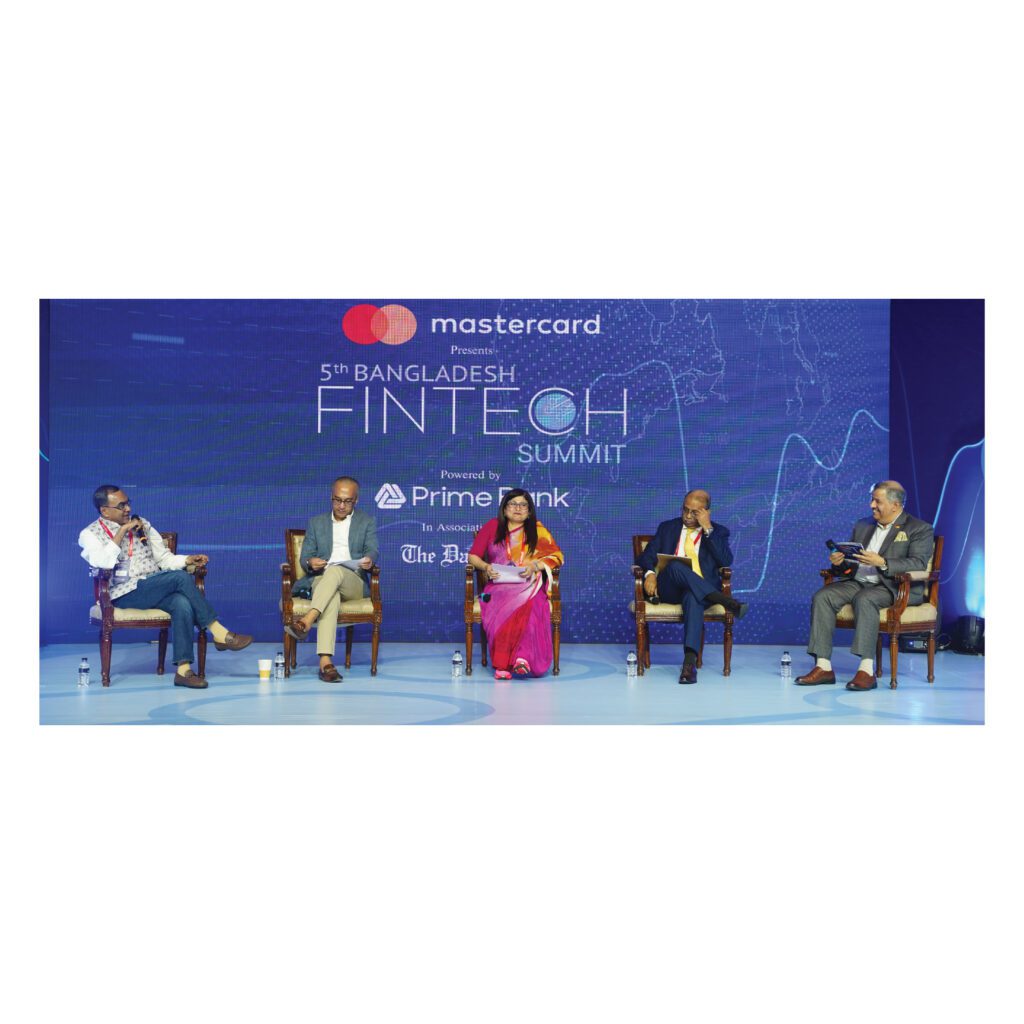 Session: Keynote
Theme: Embedded Finance & MSMEs
Speaker: Adnan Imtiaz Halim, Founder & CEO, Sheba Platform Ltd.
The session highlighted that the success of embedded finance for MSMEs depends on a well-orchestrated ecosystem where each participant contributes a distinct but complementary strength, rather than operating in silos. It emphasized that fintechs bring speed, agility, and product innovation, while banks contribute trust, balance sheet strength, and long-term capital, regulators ensure systemic stability and sustainability, and digital platforms connect services to the last mile where small businesses actually operate. The discussion stressed that MSMEs do not simply need access to isolated financial products but require a comprehensive business operating system that brings together accounting, payments, supply-chain credit, sales management, and sourcing within a single digital environment. Such integration, it argued, reduces friction, improves visibility, and enables smarter financial decision-making for entrepreneurs.
A strong focus was placed on the role of accurate digital data as the foundation for fair and inclusive credit scoring. The session demonstrated how proper digitization can dramatically shorten verification and assessment processes from several weeks to just minutes, improving efficiency while reducing uncertainty for lenders. Adnan Imtiaz Halim emphasized that embedded finance must be designed to make essential services such as payments, lending, insurance, and investment simple, intuitive, and accessible directly within everyday business platforms, rather than forcing MSMEs to navigate complex external systems. The discussion also reinforced that digital inclusion is the necessary first step toward financial inclusion, as small and medium enterprises must become digitally documented and visible before they can qualify for better credit terms, appropriate insurance coverage, or advanced payment solutions. Overall, the session positioned embedded finance as a practical pathway to empower MSMEs, strengthen trust across the ecosystem, and unlock scalable, data-driven financial access that supports long-term business growth in Bangladesh.
Session: Keynote
Theme: Digital Banking and AI in Finance: Global Models and the Next Wave for Bangladesh
Speaker: Gazi Yar Mohammed, Co-Founder & CEO, KubeMoney
The session highlighted a profound global transition toward digital banking, noting that digital-first banks have already captured a majority share of retail and SME markets in many countries by offering low-cost, highly efficient, and customer-centric models. It emphasized that these institutions are not simply digitized versions of traditional banks, but are fundamentally redesigned around technology, data, and user experience. Neobanks were highlighted as leaders in this shift, delivering dramatically superior customer experiences through instant onboarding, real-time services, and personalized digital journeys that feel intuitive and frictionless. In contrast, the discussion pointed out that many traditional banks are falling behind as they continue to rely on legacy systems, inflexible organizational structures, and slower decision-making processes, which increasingly result in customer dissatisfaction and migration to more agile digital alternatives.
The session stressed that regulatory frameworks must evolve alongside these changes to support innovation while protecting consumers. Gazi Yar Mohammed emphasized the need for an autonomous financial services authority that can independently regulate digital payments, installment products, and fintech licensing, while actively promoting innovation sandboxes to test new ideas in a controlled environment. Strong consumer protection was presented as a core pillar of this approach, ensuring trust as digital adoption scales. The discussion also highlighted the strategic importance of expanding interoperable, low-cost account-to-account payment systems in Bangladesh, noting that such systems could significantly reduce transaction friction, digitize business-to-business payments, and save up to BDT 10,000 crore currently lost to mobile financial service cash-out fees. It further argued for the introduction of non-deposit digital lending licenses, enabling fintechs to lend directly to consumers and SMEs in a market where formal credit access remains limited. Finally, the session emphasized the importance of maintaining competitive balance, calling on regulators to prevent any single player from holding conflicting or dominant licenses, so that innovation, fair competition, and sustainable growth can coexist in Bangladesh’s evolving digital finance landscape.
Celebrating Excellence at the Bangladesh Fintech Award 2025 Gala
Complementing the thought leadership and policy dialogue of the summit, the evening culminated in the Mastercard Presents Bangladesh Fintech Award 2025 Powered by Prime Bank PLC, which marked its third edition with a prestigious gala ceremony at Pan Pacific Sonargaon Dhaka. The award honoured 26 outstanding fintech innovations across 14 distinct categories, reflecting the growing depth, diversity, and ambition of Bangladesh’s rapidly evolving fintech ecosystem. This year, 14 initiatives received Winner recognition, while 12 others were acknowledged with Honourable Mentions, showcasing a wide spectrum of solutions shaping the future of digital finance in the country.

Initiated by Bangladesh Fintech Forum and organised by Bangladesh Brand Forum, the award celebrates trailblazing efforts that are driving Bangladesh’s financial technology transformation forward. The gala was graced by Dr. Ahsan H. Mansur, Governor of Bangladesh Bank, as the Honourable Chief Guest, who highlighted that the fintech sector is entering a defining phase where innovation must remain inclusive, secure, and purpose-driven. He noted that the initiatives recognised at the ceremony reflect the leadership, responsibility, and long-term vision required to build a strong, efficient, and future-ready financial ecosystem.
The award programme attracted 301 submissions, which were evaluated through a rigorous, multi-step assessment process. This included short jury sessions and four grand jury sessions conducted by 13 distinguished jurors from the banking and finance industry, ensuring a transparent, structured, and unbiased selection. Delivering the welcome remarks, Shariful Islam, Founder and Managing Director, Bangladesh Brand Forum, emphasized the immense potential of Bangladesh’s fintech ecosystem and reiterated the need to accelerate innovation and deepen collaboration. He described the recognitions as both a reflection of progress achieved so far and a motivation for the industry to aim higher in building solutions that truly serve the nation.
Partners
Bangladesh Fintech Forum initiated the Mastercard Presents 5th Bangladesh Fintech Summit and 3rd Bangladesh Fintech Award Powered by Prime Bank PLC. The initiative was organised by Bangladesh Brand Forum. Innovation Partner: Bangladesh Innovation Conclave; Official Carrier Partner: Turkish Airlines; PR Partner: Backpage PR.