
The Sustainability Summit 2025, presented by AkijBashir Group and powered by SMC Enterprise Limited, marked its second edition in Dhaka on July 12 at the Radisson Blu Water Garden Hotel. Organised by Bangladesh Brand Forum and Sustainable Brand Initiative, and initiated by Bangladesh Innovation Conclave, the day-long summit brought together leaders, policymakers, academics, and changemakers to shape the future of sustainable business in Bangladesh.
With the theme “Purpose-Led Progress: Embedding Sustainability in the DNA of Bangladeshi Business,” the summit featured a dynamic programme of three keynote sessions, three panel discussions, two insight sessions, and a case study presentation. Conversations focused on how sustainability is reshaping business models, influencing consumer behaviour, and driving forward-thinking strategies across industries.
In his opening speech, Sajid Mahbub, Group CEO and Executive Editor of Bangladesh Brand Forum, stated: “Sustainability is no longer a choice—it is the foundation of future-ready businesses. Through the second edition of the Sustainability Summit, we aim to create a powerful dialogue that brings together leaders, changemakers, and visionaries to drive action, inspire innovation, and accelerate our collective journey toward achieving the SDGs by 2030. This is our moment to act with intention and urgency.”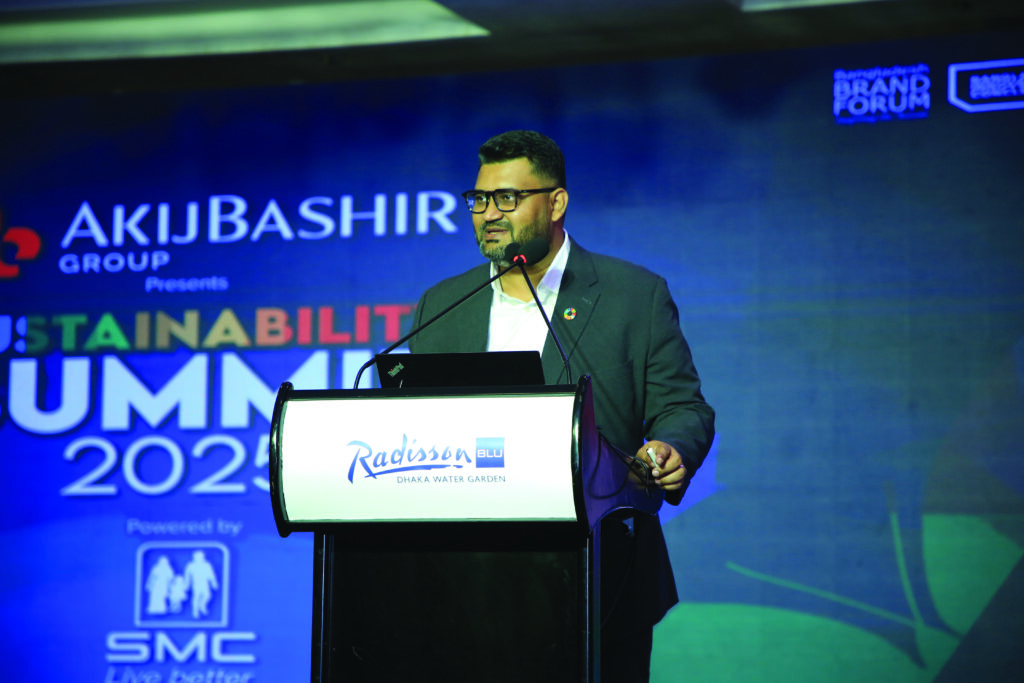
Sessions throughout the day explored a wide range of pressing issues—from embedding ESG into corporate strategies and the critical role of data in driving sustainable manufacturing decisions, to unlocking opportunities through public-private partnerships and advancing inclusive economic growth. A key focus was on how sustainability can be transformed into a competitive advantage, strengthening resilience while creating measurable social and environmental impact.
The summit also spotlighted the untapped potential of Bangladesh’s private sector, particularly local businesses, in contributing to national and global sustainability agendas. By aligning growth ambitions with ESG and SDG priorities, businesses are being urged to recognise sustainability not as a cost, but as a long-term driver of competitiveness, trust, and relevance in an era shaped by younger generations.
Sustainability Summit 2025 closed with a strong message: the future of Bangladesh’s growth depends on embedding sustainability at its core. The conversations, case studies, and commitments made during the summit reflected a growing consensus that purpose-led business is the only way forward. With greater participation from the private sector and stronger partnerships across sectors, the summit laid out a vision for a more inclusive, resilient, and sustainable Bangladesh.
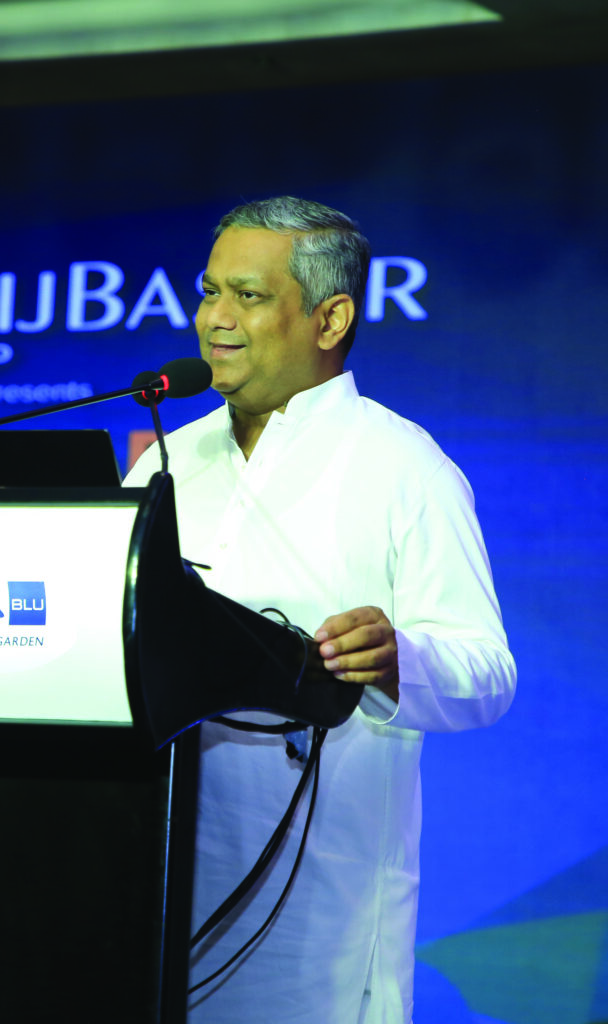
Session: Keynote
Theme: Reimagining Growth: Why Sustainability is the New Competitive Edge
Speaker: Shehzad Munim, Independent Director, Linde Bangladesh Limited
In his keynote session at the Sustainability Summit 2025, Shehzad Munim, Independent Director of Linde Bangladesh Limited, highlighted that while the Millennium Development Goals were relatively attainable, the Sustainable Development Goals require broader reforms and long-term commitments across all sectors. He emphasised that ESG should not be seen as charity but as an essential survival strategy and a core business and governance priority if Bangladesh is to meet even the minimum SDG targets by 2030. Although the country has made strong progress economically, environmental indicators remain at a critical level, demanding urgent action. Munim noted that water conservation offers a dual opportunity: reducing methane emissions while unlocking access to high-value carbon trading markets. He also stressed the importance of embedding SDGs into political manifestos to ensure policy alignment and accountability over the long term. Pointing to Rajshahi as a model, he explained how localised planning and citizen engagement had led to significant improvements in air quality and environmental health, offering scalable solutions for other cities across Bangladesh.
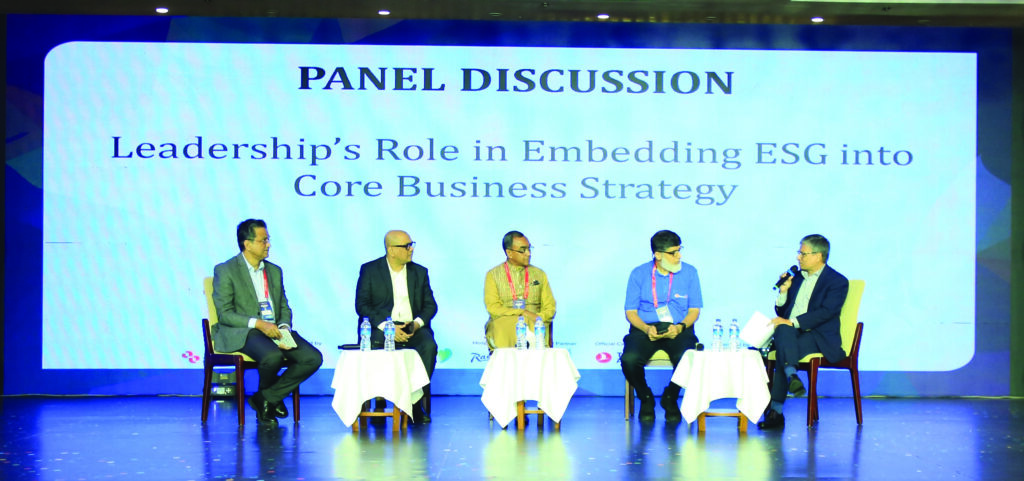
Session: Panel Discussion
Theme: Leadership’s Role in Embedding ESG into Core Business Strategy
Moderator: Professor Imran Rahman, Vice Chancellor, University of Liberal Arts Bangladesh
Panellist: Ahsan Khan Chowdhury, Chairman & CEO, PRAN-RFL Group; Sabbir Hasan Nasir, Managing Director, ACI Logistics Limited (Shwapno); Syed Mahbubur Rahman, Managing Director & CEO, Mutual Trust Bank PLC.
The panel discussion on leadership’s role in embedding ESG into core business strategy underscored that organisational mindset remains the biggest internal barrier to ESG adoption. Real change begins at the top, and when leadership fully embraces ESG principles, the rest of the organisation is far more likely to follow. One of the encouraging signs is the rapid growth of LEED certification in Bangladesh, with more than 200 factories now certified and 8 of the top 10 LEED-certified factories globally located in the country. Businesses are also demonstrating tangible progress through practical initiatives, such as switching a majority of retail outlets to energy-efficient LED lighting and dedicating a share of CSR funds to socially impactful causes like autism support.
The discussion highlighted that long-term funding remains critical for sustaining environmental efforts, with an emphasis on leveraging green bonds and diversifying investment sources beyond development finance institutions. The adoption of GRI reporting standards and ESG-linked KPIs is helping organisations move beyond mere compliance towards value-driven operations, with measurable outcomes that benefit both business and society. The consensus was clear that ESG success does not depend solely on resources but rather on a collective intent, the right mindset, increased awareness, and strong governance. Notably, investments in renewable energy infrastructure, such as large-scale solar fish farming projects, are aligning sustainability with profitability and reinforcing the view that ESG can be a driver of both economic and environmental transformation.
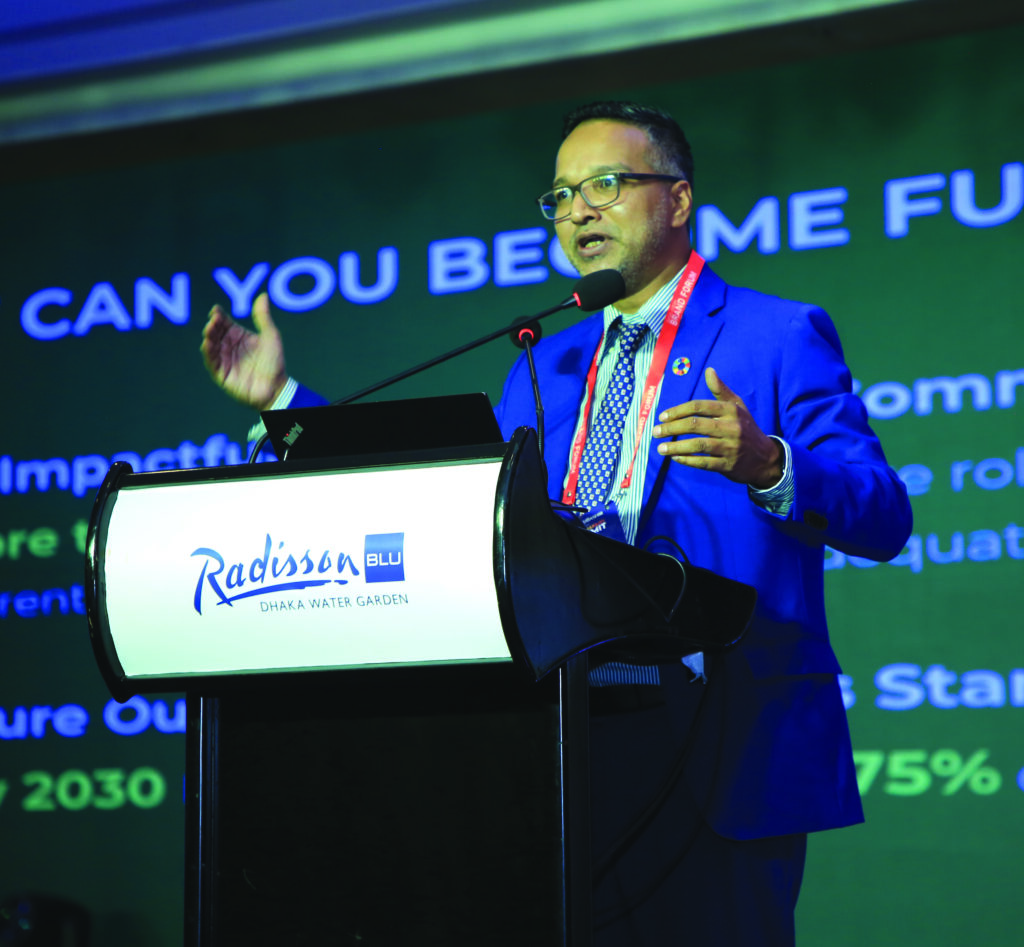
Session: Keynote
Theme: ESG: Opportunities and Challenges for Bangladesh
Speaker: Professor Dr. Mohammad Nurunnabi, UNESCO Chair – Education for Sustainable Development, Green Skills and Climate Actions; Founding President & CEO – Global, Oxford Impact Group
The keynote session emphasised that Bangladesh’s upcoming graduation from Least Developed Country status by 2026 presents a pivotal opportunity to establish a clear national roadmap that both advances SDG progress and strengthens global competitiveness. Central to this vision is the development of a robust ESG policy framework, which can ensure more reliable reporting, enable businesses to set effective KPIs, and accelerate meaningful, measurable impact across sectors.
Professor Dr Mohammad Nurunnabi stressed that tackling inequality offers one of the most powerful routes to achieving inclusive growth, social equity, and long-term development. He argued that when businesses actively align their strategies with ESG principles, they do not just secure financial returns—they also create lasting benefits for people and the environment. He pointed to the 17% growth in SDG progress between 2016 and 2025 as evidence that momentum exists, urging stronger collaboration among government, industry, and civil society to build on this progress.
Dr Nurunnabi also drew attention to the rising demand for transparency, particularly in CSR reporting. He urged companies to improve both the quality and credibility of their disclosures, making room for authentic storytelling and more responsible leadership. He concluded by insisting that embedding ESG into the core of governance and strategy is not optional but essential if Bangladesh is to achieve its sustainability goals and position itself as a competitive and trusted player in the global marketplace.
Session: Case Study
Theme: From Compliance to Competitive Advantage: ESG Integration in Action
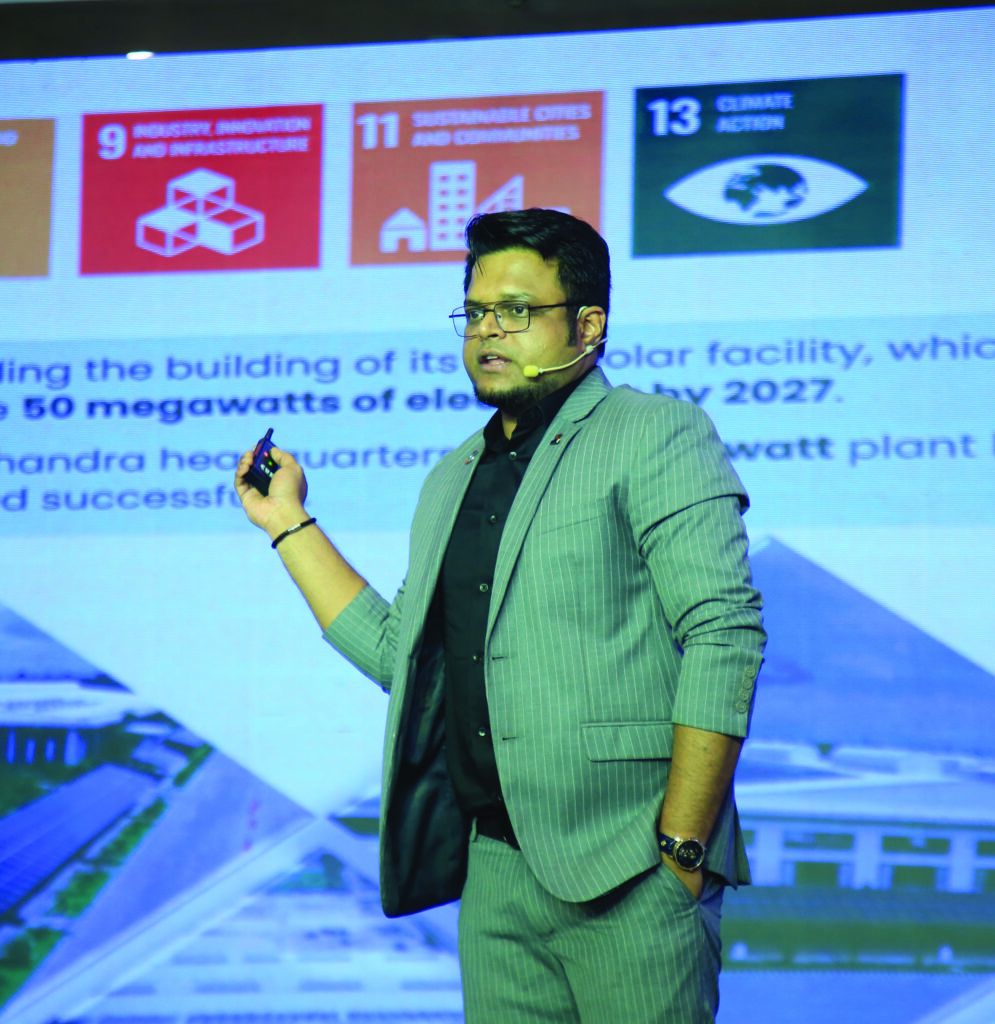
Speaker: Md. Tanvir Anjum, Senior Executive Director & Business Coordinator to Managing Director, Walton Hi-Tech Industries PLC
The case study presented by Md Tanvir Anjum demonstrated how businesses can transform ESG integration from a compliance exercise into a true source of competitive advantage. He showcased how in-house recycling facilities and the ethical upcycling of materials such as plastic and metal are helping industries lead in circular economy practices, reducing waste while creating new opportunities for innovation.
Tanvir highlighted the role of renewable energy in sustainability, pointing to Walton’s integration of solar power within industrial operations. This shift not only cuts reliance on non-renewable sources but also meaningfully lowers carbon emissions. He also explained how businesses committed to ESG principles embed health, hygiene, and nutrition support within their factory ecosystems, ensuring the well-being of thousands of employees while reinforcing the human side of sustainability.
The case study further revealed how operationalising sustainability goes beyond energy use and waste management. Tanvir emphasised the importance of inclusive infrastructure, from accessible facilities for differently-abled individuals to eco-friendly transport systems within premises. He also pointed to responsible water and waste management systems as part of Walton’s broader sustainability framework.
In addition, Tanvir discussed the growing role of carbon credit trading and the adoption of energy-efficient technologies, such as advanced boilers, as ways to align climate action with profitability. He concluded by underlining the value of a “Goal Zero” safety philosophy, which commits businesses to ensuring zero harm for people, property, and the environment while promoting accessibility for all. Through these initiatives, the case study demonstrated that ESG, when embedded into strategy, is not just about compliance but a driver of resilience, responsibility, and long-term growth.
Session: Insight
Theme: Building an Inclusive Bangladesh: Unlocking the Potential of Orange Bonds
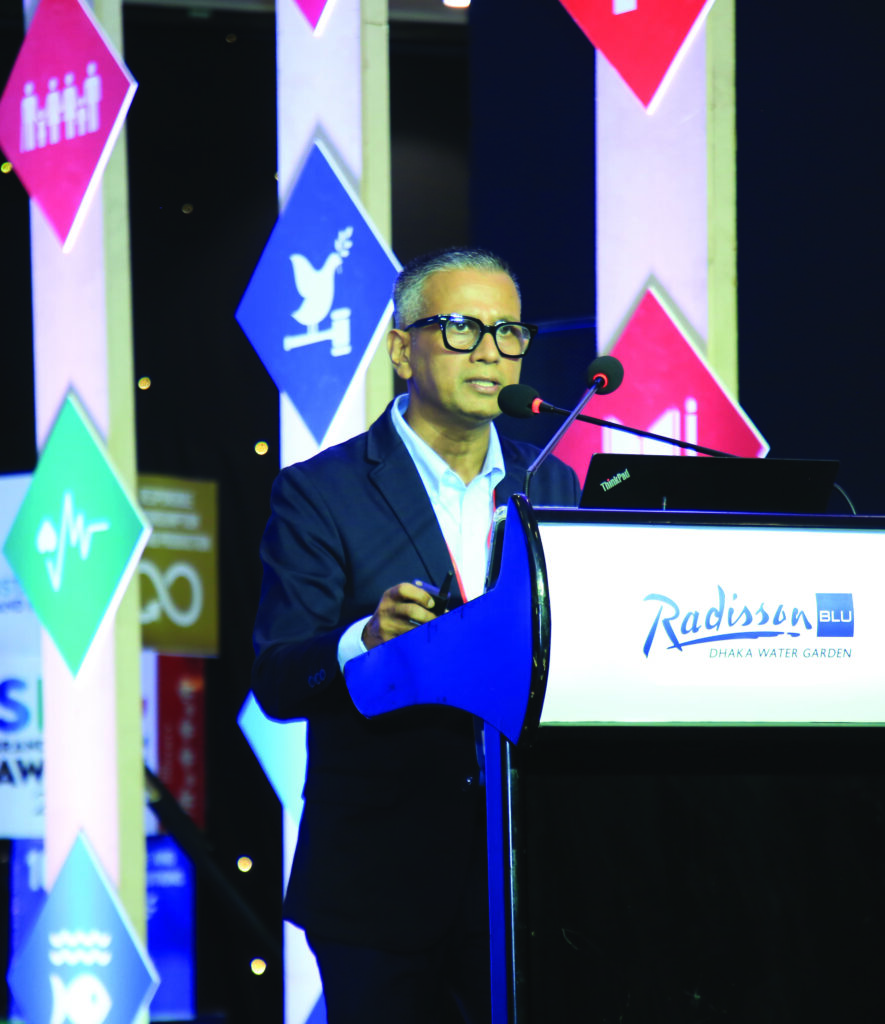
Speaker: Debashis Roy, Director – Advisory & Partnerships, Bangladesh Impact Investment Exchange (IIX)
The session highlighted how the Orange Bond Initiative is reshaping the way capital is mobilised for impact, with its foundation resting on three core principles: gender-positive capital allocation, gender-lens leadership, and transparency in both investment and reporting. These principles ensure that financing is directed not only towards economic returns but also towards empowering women, girls, and gender-diverse individuals in meaningful and measurable ways.
Orange Bonds were described as going beyond the scope of traditional gender or social bonds by aligning with international standards while driving tangible outcomes in critical areas such as climate resilience, peacebuilding, and inclusive economic growth. This approach positions them as a more holistic and transformative tool within the sustainable finance ecosystem.
The initiative is closely tied to the broader Orange Movement, which is inspired by the UN’s goal of achieving gender equality. With an ambition to raise USD 10 billion to support 100 million women, girls, and gender-diverse people, the movement underscores the scale at which Orange Bonds are designed to make a difference. By shifting the narrative from profit-driven finance to empowerment-focused capital, the bonds aim to strengthen local supply chains and expand women’s leadership within the economy.
Evidence of their impact is already emerging. Orange Bonds have contributed to reducing 1.9 million tonnes of CO₂ emissions, demonstrating that they are not only tackling gender inequality but also playing a significant role in addressing global climate challenges. This dual impact highlights their potential to deliver both social and environmental transformation, making them a powerful instrument for inclusive and sustainable development.
 Session: Insight
Theme: Driving Sustainable Decisions: The Role of Data in ESG for Manufacturing
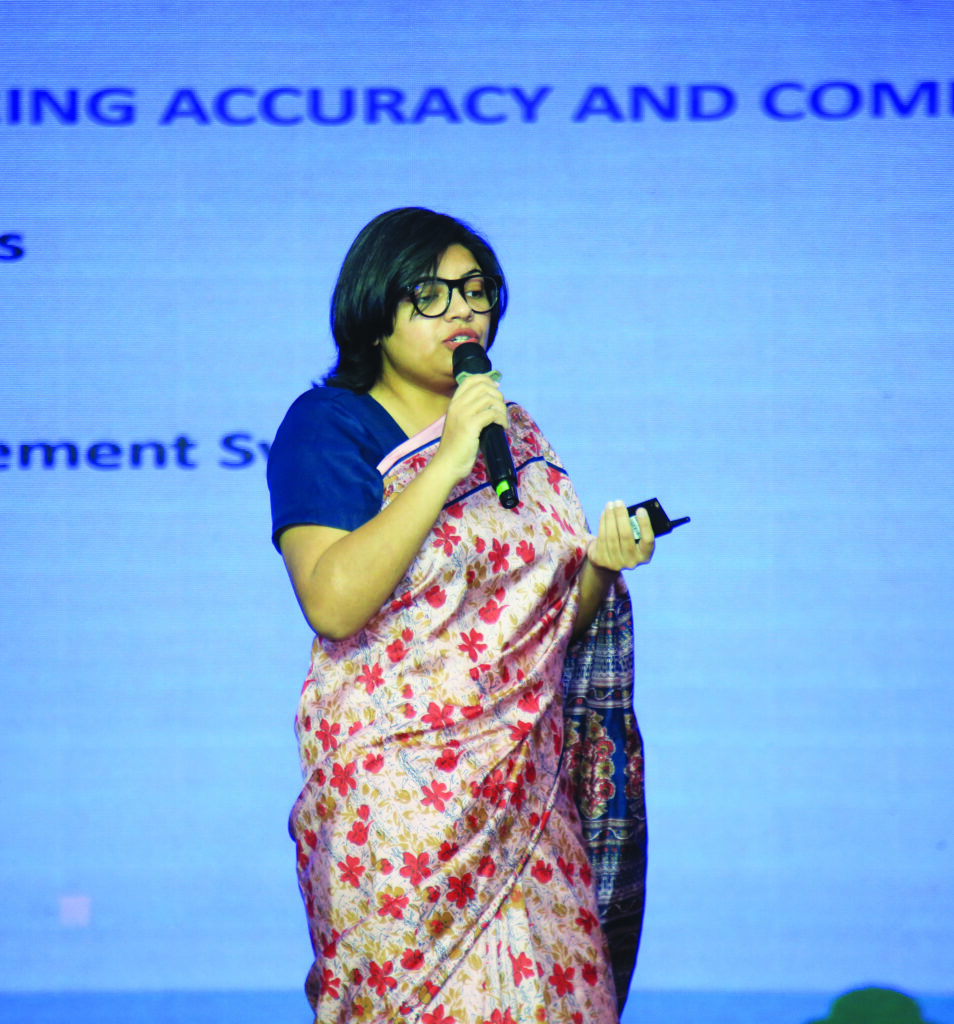
Speaker: Tasneem Tayeb, Head of Environmental Compliance & Sustainability, South Asia, Coats
The session emphasised that credible ESG performance starts with reliable data. Standardised, verified, and transparent collection is essential for identifying emission hotspots and making informed decisions that translate into meaningful progress. Without such rigour, sustainability reporting risks being fragmented or superficial, ultimately weakening accountability.
Tasneem Tayeb explained that the most authentic way to track resource use and emissions is by relying on invoices and calibrated meter readings, rather than estimates. She noted how tools like Sphera and Enablon are helping companies automate data capture and accurately monitor their energy footprints. By adopting these technologies, organisations can transform raw information into actionable insights that directly improve sustainability performance.
Tasneem also pointed out that aligning with global frameworks such as the Science Based Targets initiative (SBTi) allows businesses to benchmark their efforts and demonstrate credibility. She highlighted how Coats has already reduced more than 120,000 tonnes of carbon since establishing its 2022 baseline, proving that disciplined data use and international standards can deliver measurable impact.
The session concluded by stressing that ESG improvement must remain a continuous cycle. Reviewing baselines, upgrading tools, and reducing resource consumption should not be seen as one-off actions but as ongoing responsibilities. This long-term approach ensures that climate accountability is embedded in business operations and that sustainability commitments translate into lasting results.
Session: Panel Discussion
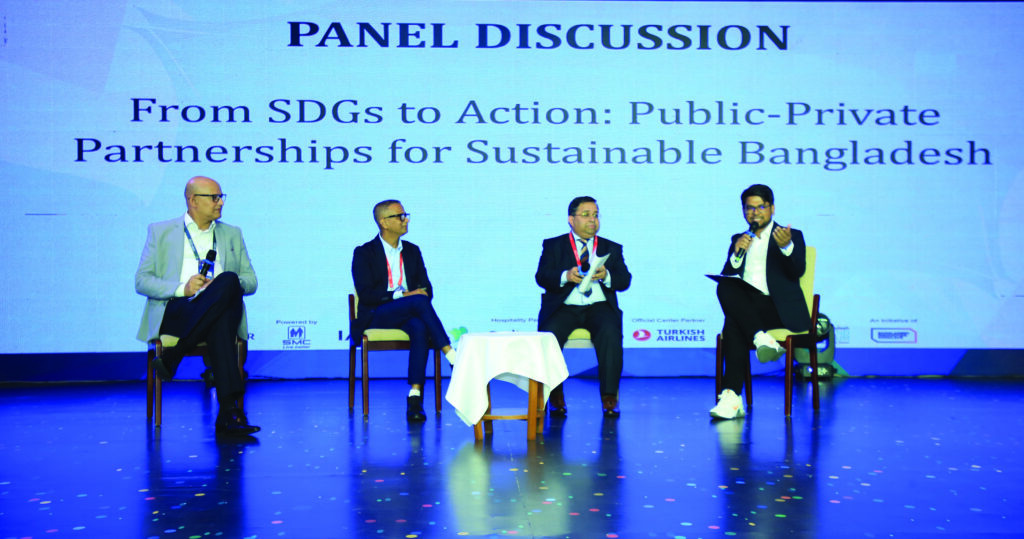
Theme: From SDGs to Action: Public-Private Partnerships for Sustainable Bangladesh
Moderator: Md Mamun Habib, PhD, Dept. of General Management, School of Business and Entrepreneurship, Professor and Head, Independent University, Bangladesh
Panellists: Dipesh Nag, Managing Director, Grameen Danone Foods Limited; Sunil Issac, Country Managing Director, EDOTCO Bangladesh Co. Ltd; Debashis Roy, Director – Advisory & Partnerships, Bangladesh Impact Investment Exchange (IIX)
The panel discussion focused on how Public-Private Partnerships (PPPs) can accelerate progress towards a more sustainable Bangladesh. It was highlighted that bringing all stakeholders into the design phase of PPPs greatly improves their chances of success and ensures that projects deliver long-term value. This collaborative approach helps create initiatives that are not only practical but also inclusive, with benefits that extend across sectors and communities.
Panellists noted that Bangladesh’s telecom sector holds particularly strong potential. With 180 million mobile subscribers and more than 6 billion BDT spent annually on energy, the industry offers a largely untapped opportunity for deploying AI-powered ESG analytics and optimisation. Harnessing this scale could make the sector a driver of both efficiency and sustainability.
The discussion also drew attention to successful examples of collaboration, such as FutureNation, created by UNDP, BIDA, and Grameenphone. The programme illustrates how partnerships between government, private companies, and development agencies can generate digital inclusion and economic empowerment. These models show how public-private synergies can move beyond theory to deliver measurable social and economic outcomes.
Speakers further stressed that shifting generational values are influencing business behaviour. Gen Z’s growing emphasis on environmental and ethical considerations is compelling brands to embed SDG and ESG principles into their core business models. However, the lack of policy-backed incentives remains a major barrier. Without rewards or recognition, many businesses are unlikely to prioritise sustainability. This makes it critical for governments to design supportive frameworks that encourage and scale ESG adoption.
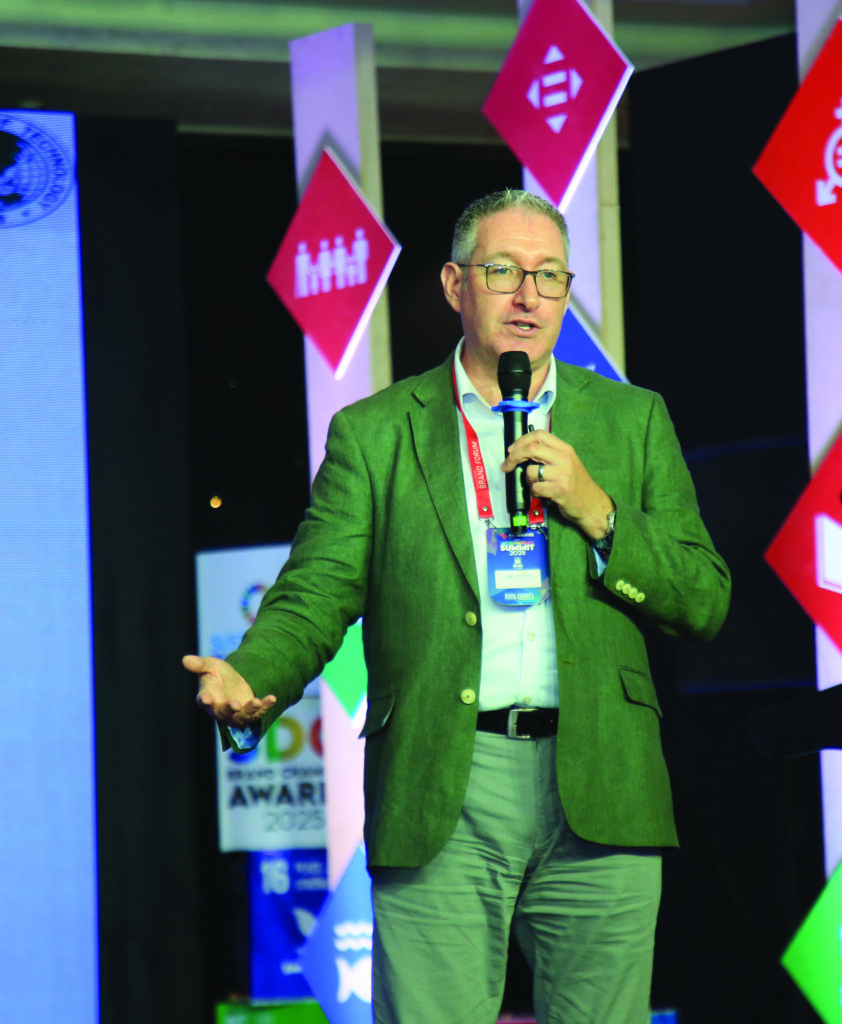
Session: Keynote
Speaker: Roger Levermore, Senior Strategy Advisor, President & School of Management, Asian Institute of Technology
The keynote session explored how aligning national strategies with sustainability goals can create long-term impact. Vietnam’s National Green Growth Strategy was highlighted as a strong example, where education, policy, and finance have been integrated to accelerate progress. This includes measures such as facilitating green finance and offering sector-specific ESG training to ensure industries are equipped to adapt.
Roger Levermore emphasised that embedding ESG and sustainability into education systems from an early stage is vital. By doing so, countries can build long-term awareness and nurture responsible citizenship, creating future generations that view sustainability not as an option but as a norm.
He also drew attention to findings from a recent survey, which showed that while many companies have begun ESG initiatives, small and medium-sized enterprises remain minimally involved. Levermore described this as a critical gap in the sustainability ecosystem, stressing the need for targeted support and incentives for SMEs to participate.
Another key insight was the ESG Maturity Index, which categorises companies into four levels: mindful, defined, managed, and integrated. Levermore noted that only a few global firms have reached the integrated stage, underlining how much progress remains to be made worldwide.
He concluded by pointing out that access to global markets increasingly depends on ESG compliance. International buyers are pressuring countries to improve labour conditions, strengthen environmental practices, and ensure greater transparency. Levermore argued that for countries like Bangladesh, meeting these standards is no longer optional but essential for remaining competitive in global trade.
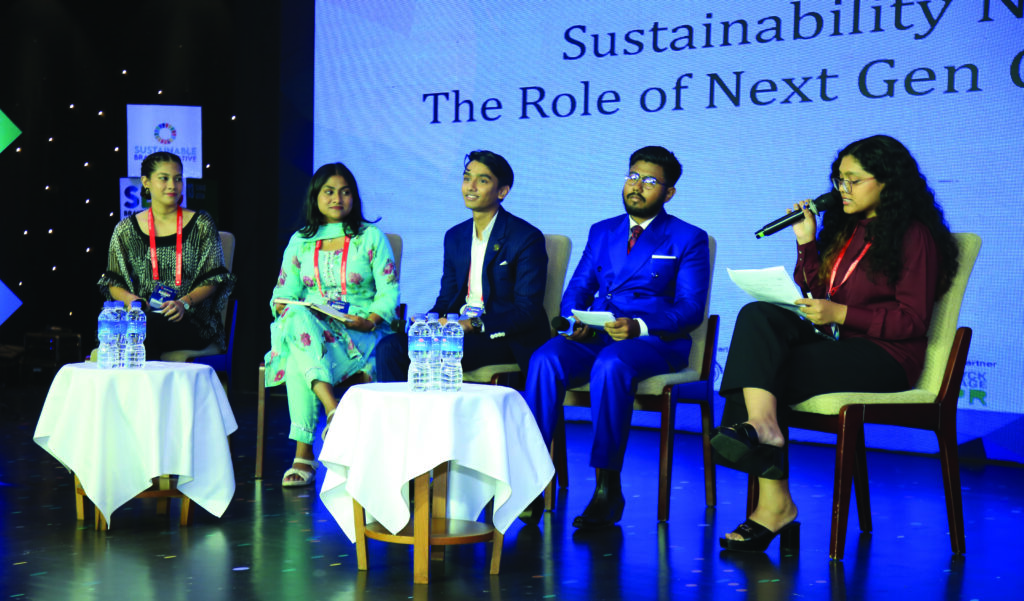
Session: Panel Discussion (Youth Panel)
Theme: Sustainbiality Narrative: The Role of Next Gen Change Makers
Moderator: Afra Nawar Rahman, Student; Youth Coordinator, Young Power in Social Action (YPSA); President, Student Government, Asian University for Women
Panellist: Sabab Hossain, Student; General Secretary, BRAC University Environment Club; BRAC University; Husnul Jannath, Student; President, ULAB Sustainable Development Club, University of Liberal Arts Bangladesh; Margaret Khan, Student, General Member, AIUB Social Welfare Club; American International University-Bangladesh (AIUB); Rarnadan Abdullah Ibn Ali, Student, President, North South University Young Entrepreneurs’ Society, North South University
The youth panel highlighted how the next generation is redefining the sustainability narrative by linking climate justice to both environmental and social equity. Speakers emphasised that sustainable development must be inclusive of all living beings, ensuring that no community or ecosystem is left behind in the pursuit of progress.
A strong call was made to embed sustainability across university curricula and campus operations. Panellists argued that integrating these principles into every discipline, not just environmental studies, can foster a culture where students from diverse fields contribute to practical solutions. This approach equips young people with the tools to carry sustainability into their professional and personal lives.
The discussion also shed light on the growing impact of student-led initiatives. University clubs are taking an active role in advancing ESG goals through community outreach, eco-awareness campaigns, and education projects for underprivileged children. Such grassroots actions demonstrate how young leaders are not waiting for top-down change but are creating tangible impact from the ground up.
Panellists further underscored the importance of practical actions, such as adopting jute as an alternative to plastic and promoting waste segregation within institutions and communities. They pointed to initiatives like the Three Zero Challenge as examples of how academic platforms can transform climate anxiety into innovative entrepreneurship, blending equity with creativity. Collectively, the session reinforced the idea that empowering youth is not just about preparing them for the future—it is about enabling them to actively shape it.
SDG Brand Champion Awards 2025: Celebrating Purpose-Driven Leadership
The 3rd edition of the SDG Brand Champion Awards, presented by AkijBashir Group and powered by SMC Enterprise Limited, honoured 60 sustainable brand initiatives at a grand ceremony on July 12, 2025, at the Radisson Blu Water Garden Hotel, Dhaka. Among the winners, 35 initiatives secured top accolades, 24 received Honourable Mentions, and one individual was recognised for outstanding contributions.
 Organised by Bangladesh Brand Forum and Sustainable Brand Initiative, and initiated by Bangladesh Innovation Conclave, the awards are the first-of-their-kind in Bangladesh dedicated exclusively to recognising private organisations and brands that are making measurable progress in advancing the United Nations Sustainable Development Goals (SDGs). This year, the event attracted more than 500 attendees, reinforcing its status as a leading platform for sustainability recognition.
The awards spanned 22 categories, covering the breadth of the 17 SDGs and their application in the Bangladeshi context. From May 26 to June 30, the organisers received 457 nominations from a diverse pool of businesses, NGOs, development agencies, and brands. A robust evaluation process followed, beginning with an initial screening and culminating in detailed reviews by eight grand jury panels composed of 27 industry experts. The multi-step process ensured credibility, transparency, and accountability, spotlighting the most impactful initiatives driving sustainability in Bangladesh.
As Shariful Islam, Founder of Bangladesh Innovation Conclave and Managing Director of Bangladesh Brand Forum, expressed: “We are at a defining moment—where brands must go beyond promises and lead with purpose. The SDG Brand Champion Awards celebrate those that are not just aligning with the Sustainable Development Goals but driving real, measurable change. These champions are setting the standard for what responsible business looks like in Bangladesh. Through this platform, we aim to inspire bold action, scale transformative ideas, and create a future where sustainability is not the exception, but the expectation.”
The recognition of these champions underscores the growing momentum for purpose-led business in Bangladesh, showcasing how brands can be powerful agents of both economic growth and sustainable development.
Partners
Sustainability Summit and SDG Brand Champion Awards 2025 are presented by AkijBashir Group and powered by SMC Enterprise Limited. Strategic Partners: International Advertising Association Bangladesh, Asia Marketing Federation (AMF), and Marketing Society of Bangladesh (MSB); Hospitality Partner: Radisson Blu Water Garden Hotel, Dhaka; PR Partner: Backpage PR; Official Carrier Partner: Turkish Airlines. The Bangladesh Brand Forum and Sustainable Brand Initiative organised the summit and the award gala. The Sustainability Summit and SDG Brand Champion Awards is an initiative of Bangladesh Innovation Conclave.