Bangladesh stands at a pivotal moment in its development journey. Once hailed as a model for poverty reduction and resilience, the country now faces a complex set of economic, social, and institutional challenges that threaten to stall its progress. Despite impressive gains in sectors like garments and digital connectivity, structural weaknesses in fiscal governance, trade diversification, labor productivity, and institutional integrity persist. As global economic dynamics shift and technological disruption accelerates, the critical question is no longer just how much Bangladesh invests, but how well that investment is aligned with long-term, inclusive development goals., financial sector resilience, infrastructure development, labor market efficiency, and institutional governance—and considers whether investment alone is enough to ensure sustainable development in the age of AI and automation.
Macroeconomic Stability and Fiscal Reforms
One of Bangladesh’s foremost challenges is its weakening fiscal health. The country’s tax-to-GDP ratio stood at just 7.4% (about 3.5 lakh crore taka) in Dec 2024(CEIC), one of the lowest in Asia, compared to 18% in Vietnam and 11.7% in India. The IMF has set a target for Bangladesh to increase this ratio by 0.6% for the current fiscal year. The fiscal deficit has also widened, reaching 4.6% of GDP in FY2024 (ICMAB), primarily due to sluggish revenue mobilisation and increased subsidies.
Some tax breaks are fair, but should only be given after the proper steps have been taken. Since Bangladesh doesn’t have this kind of system, it’s not a surprise that it has one of the world’s highest rates of tax breaks. As is the case in almost every other country in the world, separating tax policy from tax management and giving the parliament control over tax policy are fundamental changes that must be made to ensure everyone pays their fair share.
A comprehensive tax reform agenda is essential. Modernising the National Board of Revenue (NBR) through digital tax filing systems, expanding the tax net, and reducing ad hoc exemptions can help increase revenue efficiency. Transitioning from indirect taxes (like VAT and import duties, which currently constitute over 65% of total tax revenue) to direct taxes will make the system more equitable and sustainable.
Public financial management (PFM) reforms should include multi-year performance-based budgeting, better expenditure tracking, and transparent procurement processes. Although moderate at around 39.2% of GDP in 2025(IMF), Bangladesh’s public debt is rising fast and needs a clear debt management strategy. It is also possible to enhance the oversight of public finances by disclosing who wins and owns government contracts and by granting the Office of the Comptroller and Auditor General greater autonomy.
Enhanced fiscal governance will strengthen macroeconomic stability, reduce inflationary pressures, and give the government greater fiscal space to invest in public services and infrastructure.
Trade and Investment Liberalisation
Exports account for about 15% of Bangladesh’s GDP, and over 84% is driven by the ready-made garments (RMG) sector. While RMG exports reached a record $38.48 billion in 2024, the lack of diversification makes the economy vulnerable to external shocks and trade disruptions.
To remain competitive, Bangladesh must modernise customs procedures. The average cargo dwell time at Chittagong Port, the country’s leading trade hub, is 4.8 days, much higher than the global best-practice benchmark of less than 2 days. Simplifying customs documentation, introducing electronic data interchange (EDI), and investing in port infrastructure can lower trade costs by up to 15%.
Diversification into sectors like pharmaceuticals (valued at $3 billion), ICT (which earned $1.9 billion in exports in FY2023), and agro-processing should be a top priority. Incentives such as tax holidays, export financing, and skill development programs can help these sectors grow.
Foreign direct investment (FDI) inflows remain low, at only 0.35% of GDP in 2024, compared to 4.2% in Vietnam. Reforms should focus on improving the Ease of Doing Business, where Bangladesh ranked 168th out of 190 countries in the last World Bank assessment. Fast-tracking land registration, enforcing contracts, and establishing Special Economic Zones (SEZs) with plug-and-play infrastructure will attract more global investors.
Financial Sector Reform
Bangladesh’s banking sector is under pressure, primarily due to high non-performing loans (NPLs), which stood at 16.93% of total loans in September 2024, and potentially much higher if restructured loans are included. State-owned banks are particularly vulnerable, accounting for over 45% of total NPLs.
Key reforms include granting the Bangladesh Bank greater autonomy and enforcement powers. Strengthening the credit risk assessment framework, streamlining loan recovery processes, and setting up an independent asset management company to deal with bad loans are crucial steps.
Regarding financial inclusion, only 50% of adults have access to formal banking services, compared to 77% in India and 85% in Sri Lanka. Expanding mobile financial services (MFS), which currently reaches over 110 million registered users, can bridge this gap. A clear regulatory framework for fintech, consumer protection laws, and digital literacy programs will ensure the sector grows responsibly.
Bank recapitalisation and consolidation, especially for underperforming institutions, will further enhance banking sector stability, making it more efficient and better able to support private sector growth.
Energy and Infrastructure Development
Energy demand in Bangladesh is projected to double by 2040, but the sector continues to face systemic inefficiencies. Despite having a generation capacity of over 26,000 MW, power shortages still occur due to transmission losses and outdated grids. PDB can save Tk 13,800 crore of annual losses, currently covered by government subsidies of Tk 62,000 crore in FY25, by fixing the electricity sector’s core problems (IEEFA).
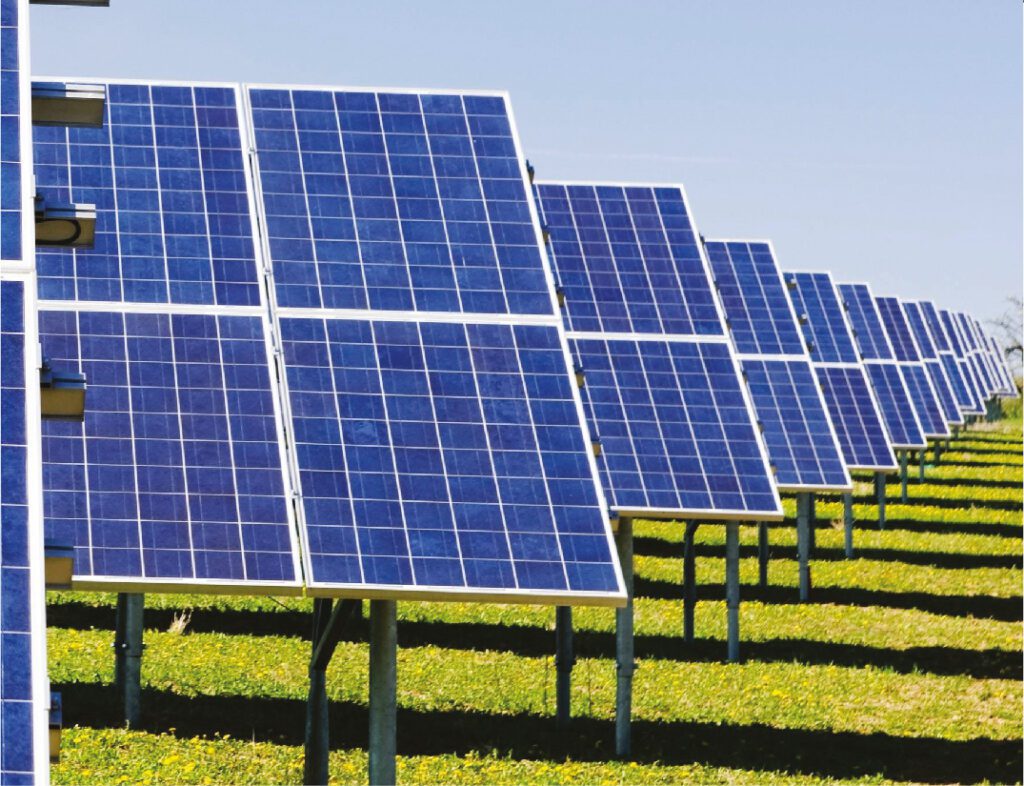
Rationalising energy pricing by gradually removing universal subsidies, while protecting the poor through targeted support, will encourage energy conservation and attract private investment. Investment in LNG terminals, renewable energy (currently under 4% of the energy mix), and cross-border power trade can diversify the energy portfolio and improve security.
Infrastructure bottlenecks remain a key constraint. Logistics costs in Bangladesh account for 16–20% of GDP, compared to 8–10% in developed economies. Improving the road-rail-port network, accelerating projects like the Padma Bridge Rail Link and Dhaka Metro Rail, and promoting Public-Private Partnerships (PPPs) will enhance connectivity and ease urban congestion.
Efficient infrastructure is vital for competitiveness and inclusive regional development, especially in lagging districts and border areas.
Labor Market and Human Capital Development
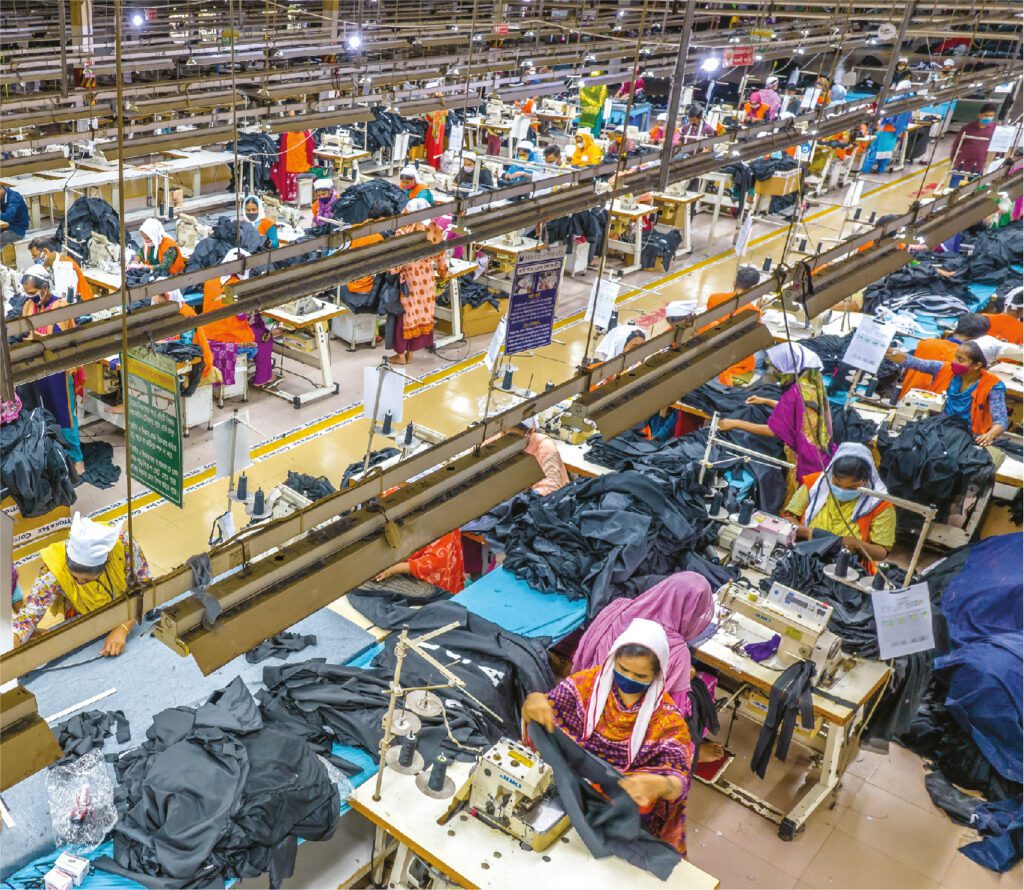
With nearly 2.2 million people entering the labor force yearly, Bangladesh must urgently address labor market inefficiencies. The youth unemployment rate is 10.6%, and many graduates are underemployed due to skill mismatches. Education reform is essential. Despite a literacy rate of 75.6%, the quality of education, especially in rural areas, remains low. Only 17% of secondary education students meet basic learning standards in math and reading. Expanding Technical and Vocational Education and Training (TVET) and integrating digital literacy into the curriculum are vital steps.
Revising outdated labor laws can formalise more jobs, improve job security, and create better working conditions. Female labor force participation is 43.7%, compared to 81.1% for men. Programs promoting female employment, such as subsidised childcare, workplace safety, and transport support, will unlock a vast, underutilised workforce segment.
Enhancing digital job-matching platforms and scaling initiatives like the Skills for Employment Investment Program (SEIP) will further boost labor market efficiency. Strategic investment in skills and inclusive employment policies is key to unlocking the country’s demographic dividend.
Governance and Institutional Reforms
Effective governance and strong institutions are the foundation of effective reform, yet Bangladesh faces systemic governance challenges. According to the World Bank’s Worldwide Governance Indicators (2024), Bangladesh scores below the 30th percentile in all six key governance dimensions, including government effectiveness, regulatory quality, and control of corruption. In Transparency International’s Corruption Perceptions Index 2024, Bangladesh ranked 151 out of 180 countries, scoring 23 out of 100, reflecting persistent concerns about integrity in public institutions. Bureaucratic delays and overlapping mandates among agencies significantly impact the business climate. In the World Bank’s last Ease of Doing Business report, Bangladesh ranked 168th out of 190, particularly lagging in contract enforcement (ranked 189th) and starting a business (ranked 131st). To address these gaps, institutional reforms must focus on:
Expanding e-governance is vital, with platforms such as MyGov and Digital Land Records requiring a wider rollout and integration. Complete digitisation of tax collection, business licensing, and procurement could cut service delivery times by over 40% and boost transparency. Oversight bodies like the ACC and the Comptroller and Auditor General’s Office require greater independence, staffing, and resources for effective audits. Centralised digital dashboards can enhance inter-ministerial coordination and prevent policy overlaps. With over 30% of government posts vacant as of 2023, recruitment, capacity-building, and performance incentives reforms are essential to strengthen civil service efficiency.
Bangladesh stands at a critical juncture where well-calibrated economic reforms can determine the trajectory of its long-term prosperity. If executed well, these reforms can transform Bangladesh into a more competitive, inclusive, and climate-resilient economy, fully prepared to offer a better future for its 170 million citizens. While significant progress has been made in areas like poverty reduction and digital connectivity, persistent challenges in fiscal management, trade competitiveness, labor productivity, and institutional governance continue to hold back its full potential. Addressing these issues through targeted reforms anchored in data-driven policymaking, inclusive growth, and institutional accountability will be essential.
Is Investment Enough for Bangladesh’s Development?
Investment is often seen as the key to economic growth, especially for developing countries like Bangladesh. It supports industrialization, infrastructure, and innovation. But one important question remains—is investment alone enough for real development?
Investment and Development in the Light of Theories
Classical economists like Adam Smith believed that capital investment was the main driver of economic growth. The growth and linear stages theory also stressed the need for building capital. A good example is the Marshall Plan, where the U.S. provided large-scale financial aid to rebuild Europe after World War II. It worked well because Europe already had strong institutions, good infrastructure, skilled labor, and functioning markets.
The Harrod-Domar model (or AK model) says, “More investment leads to more growth.” While this is true, it’s not enough—especially for countries like Bangladesh. Investment alone won’t work unless we also have:
- Strong institutions
- Skilled workers
- Modern infrastructure
- Well-structured markets
Amartya Sen’s Human Development Theory goes even further. He says development should not only be measured by GDP. It should be about expanding people’s freedom, education, healthcare, and access to technology.
The Solow Growth Model (a neoclassical theory) also highlights technological progress as a key driver of long-term economic growth.
So, while investment is important, it needs to be supported by human development, good governance, and innovation.
According to McKinsey, South Asia could earn $25 billion per year from AI by 2030—if action is taken now. The World Economic Forum warns that countries that don’t adopt AI could lose up to 5% in GDP growth.
Bangladesh currently ranks 75 out of 83 countries in the Global AI Index, showing that we are far behind in AI adoption. The main reason is the lack of a national AI strategy and clear policies.
But there’s still hope. Bangladesh has a young, tech-savvy population and some promising AI initiatives. The world is moving fast toward an AI-driven future. Falling behind doesn’t just mean losing out on technology—it means losing jobs, cultural identity, and economic power.
The World Bank warns that 47% of jobs in developing countries may be lost to automation.
Bangladesh’s garment sector, which is key to our economy, could face big risks if it doesn’t adapt to AI. Bangla language is poorly represented in AI systems. This could weaken our culture and digital presence.
But there’s a big opportunity here, too:
With smart AI adoption, Bangladesh’s GDP could grow by 2.5% every year. Global companies like Walmart have already invested $14 billion in automation. Our expanding digital infrastructure and energetic youth population make Bangladesh an attractive place for AI investment.
Investors can explore several sectors:
Healthcare: AI tools can help with early diagnosis and reach rural areas with limited access to doctors.
Agriculture: AI can improve crop yields and reduce water usage, helping a sector that employs over 40% of our workforce.
Disaster Management: AI-powered early warning systems can reduce the damage caused by natural disasters, which currently cost us about 1.8% of GDP.
These investments can benefit both the country and investors, offering strong returns.
Investment is undoubtedly a cornerstone of economic development, but it is not a silver bullet. For Bangladesh, sustained progress will require more than capital inflows and infrastructure projects. Real development demands a broader, more integrated approach that values institutional reform, inclusive human capital development, and technological readiness, particularly in AI. With smart policies, targeted reforms, and a renewed focus on governance, innovation, and equity, Bangladesh can not only overcome its current bottlenecks but also emerge as a dynamic, future-ready economy. The path ahead is challenging, but with the right mix of vision, accountability, and action, the nation has the potential to transform investment into meaningful, lasting development for all its citizens.