As we know, the talks between the IMF and Bangladesh reached a staff-level agreement in principle, but the talks have recently stalled, delaying the 4th and 5th tranches of the 4.7 billion loan package. The deadlock focused on 2 key issues:
Exchange rate flexibility: The IMF requires a more market-driven exchange rate, meaning they want the BDT to determine its value through supply and demand and Bangladesh Bank to reduce its control over valuation, but the central bank wants to keep the current system as they fear the situation will worsen under this approach.
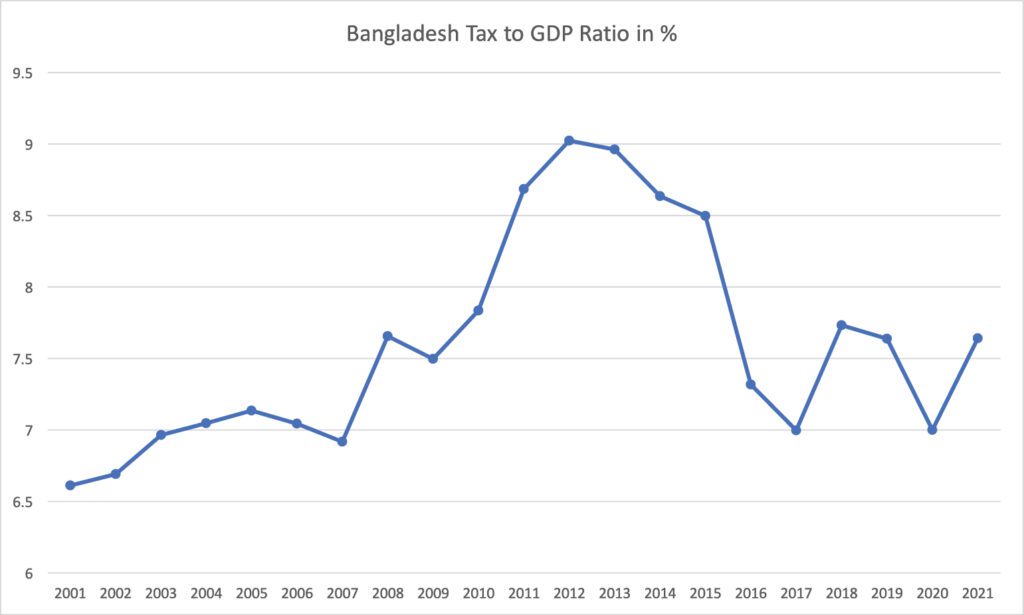
Another issue is tax revenue mobilisation. In tax mobilisation, the Bangladesh government has shown some progress, but the IMF wants Bangladesh to do more to raise in tax-to-GDP ratio and reduce reliance on exemptions.
The high-level meeting in Washington in spring ended without any final agreement, leaving the disbursement of the amount of $1.3 billion in limbo. Although both sides agreed about the progress, the IMF wants a clear timeline for the reforms before moving forward.
Past records:
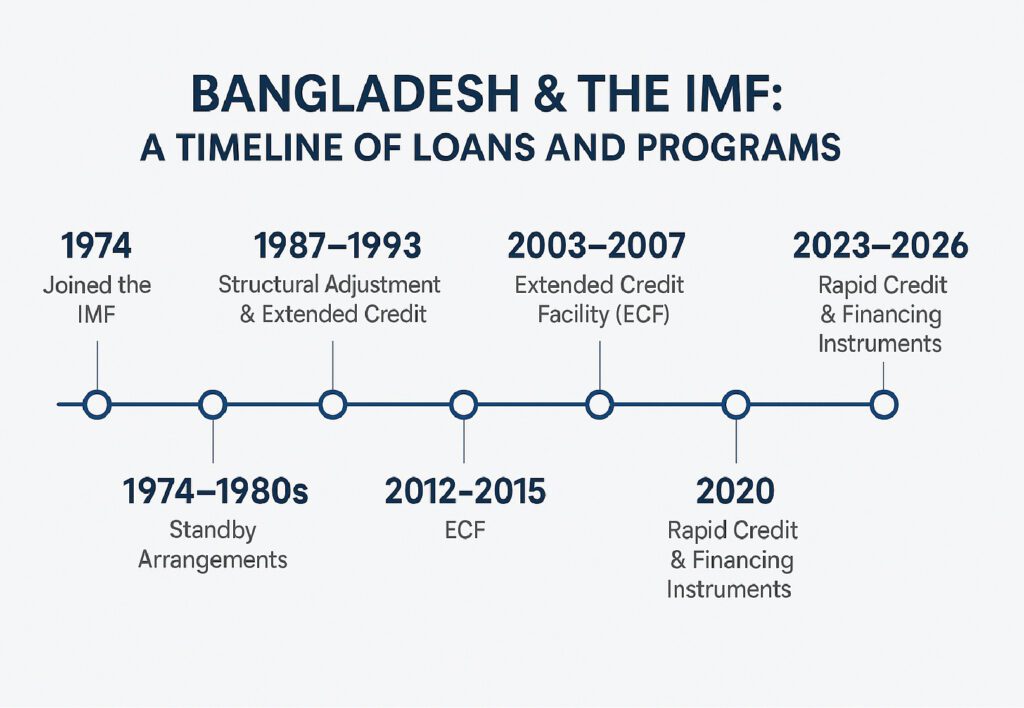
Since 1972, Bangladesh has received support from the IMF during times of economic need. In the early years, the support was mainly focused on stabilising the post-independent economy and fixing the short-term financial problems. Later, it focused on important long-term reforms like improving the tax system, fixing banking issues, and supporting poverty reduction. During COVID-19, Bangladesh received funds for mitigating the crisis. And the latest focus is a shift toward climate resilience, financial sector reform, and stable currency policy. Overall, Bangladesh has mostly kept its agreements with the IMF, though it has sometimes faced delays and policy hurdles due to political instability, especially when it is politically sensitive or economically tough.
Why the talks are stuck:
Talks with the IMF were stalled due to unmet conditions under the $4.7 billion loan program, like
Foreign reserve shortfall: The country failed to meet the IMF target of $24.46 billion in net international reserves by 2023. The reserve shortfall was due to a large financial account deficit, despite an improvement in current accounts. The current net reserve is $16 billion, a shortfall of nearly $7.7 billion USD. The IMF considered energy subsidies and high import costs to be the major reasons for the reserve shortfall. Other factors, like FDI inflow not balancing with the capital outflows and also the central bank intervention to defend the exchange rate of TAKA, caused the drain in reserves.
Exchange rate rigidity: The IMF wants market-based exchange rates; they want the value of the taka not to be fixed or managed by the central bank. And the Bangladesh Bank is slow implementing this.
The central bank fears it will lead to more instability, such as massive depreciation of the currency and higher import costs, eventually leading to inflation.
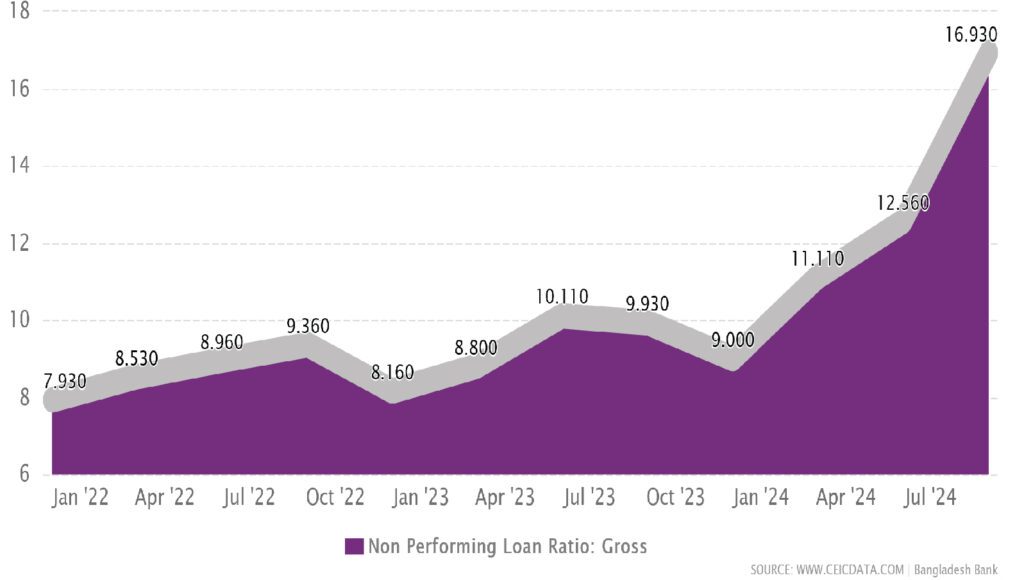
Banking Sector Concerns: The IMF is highly concerned about the nonperforming loans of Bangladesh. According to the IMF estimation, the ratio is much higher than the official projection of 9%, possibly exceeding 20%.
Subsidy reform delay: The progress in reducing subsidies is insufficient, especially in the energy sector, which the IMF considers the most important approach for fiscal sustainability.
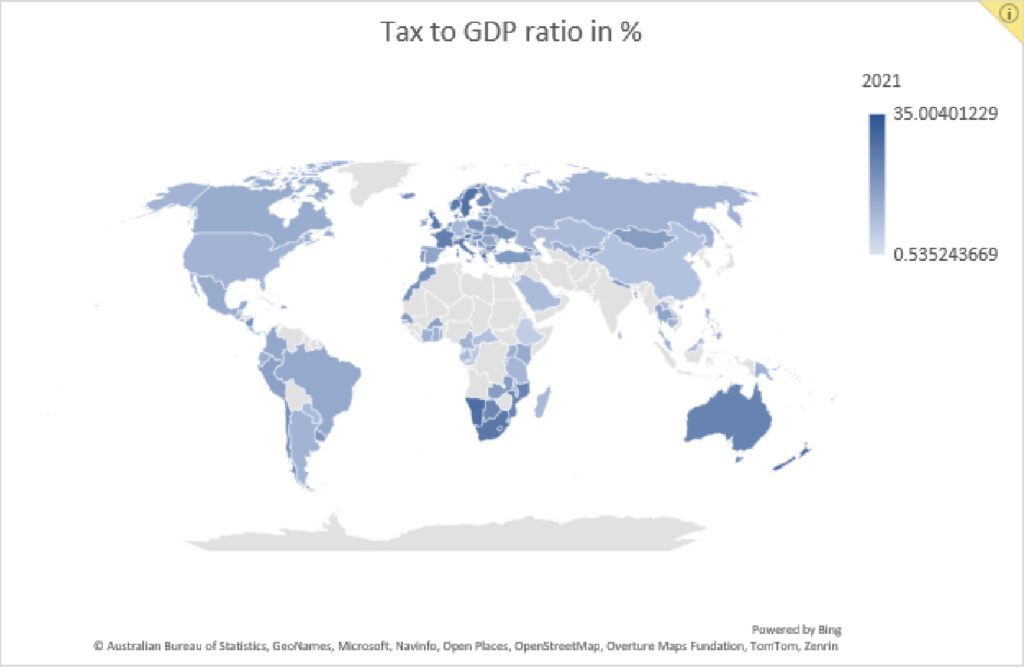
Tax Revenue Gap: The government also failed to collect the tax collection target of 345,630 crore for FY23. One of the six key conditions of the IMF and Bangladesh’s performance was a weak tax-to-GDP ratio in the past years. The improvement is visible in the recent scenario, but not sufficient.
Political and social consequences:
The IMF subsidy reform for energy raised the fuel price by up to 51% in August 2023, triggering public backlash. Delaying meeting the IMF conditions also raises concerns about governance and weakens public confidence. Inflation hit 9.9% in August 2023, driven by subsidy cuts and currency depreciation, causing a rise in living costs and public dissatisfaction. Labour groups and students staged strikes and demonstrations over fuel, food, and transportation costs. In the present scenario, after the government change, the IMF conditions have the same impact. The rising living costs and subsidy cuts could erode the public support for the government. Delay in reform may stall future IMF disbursements. $1.3 billion is currently on hold. And after the July movement, could the country take a strong measure as the IMF demands, and are people also raising the question of whether the government’s recent meeting with the IMF is the right decision or not? Is it all about $1.3 billion or more? The investors’ confidence is now fully dependent on the government’s performance in meeting the IMF conditions without triggering social unrest. So, $1.3 billion is more than just a loan; it will shape the economics in forward future.
Here, the special assistant to the chief advisor states that
“Bangladesh will pull out if the IMF imposes further conditions for disbursing the loan. Complying with all of the organisation’s conditions could weaken the economy.”
May 3, 2025, Source: Dhaka Tribune
Way Ahead
To unlock the remaining IMF funds and restore economic stability, Bangladesh must:
- Fully commit to a market-based exchange rate, minimising central bank intervention.
- Strengthen tax revenue mobilisation, especially by reducing exemptions and improving NBR efficiency.
- Accelerate subsidy reforms, particularly in energy, to ease fiscal pressure.
- Address banking sector vulnerabilities, including tackling non-performing loans transparently.
- Maintain social stability by cushioning reform impacts through targeted support for vulnerable groups.
- Clear timelines, transparent communication, and consistent policy execution will be key to regaining both IMF’s trust and public confidence
Stability Tested: Can Reforms Unlock IMF Confidence?
As far as we know, the 3rd & 4th tranches, which are the loans of $1.3 billion, were delayed from February because the government failed to hold the key condition, like a market-based exchange rate, and reform the national board of revenue to improve the tax-to-GDP ratio. But the conditions are met in May and lead to the staff-level agreement on May 14th. This states that the IMF will review the loan on June 23.
In that context, the chief advisor of the Bangladesh government states that
“We opened it. Nothing happened. The same exchange rate — just a little bit of movement. It’s normal. It’s okay. So, we are celebrating that. Finally, we are seeing strength in the economy, and so on.”
June 11, 2025, Source: The Daily Star
After the reform, the taka depreciated slightly; on June 4, the average dollar rate was Tk 122.97, up from Tk 122 a month earlier. And the latest reserve update, as of May 29, the reserve of the country Bangladesh stood at $20.57 billion.
Conclusive Statement
The $1.3 billion IMF tranche is more than a financial injection; it’s a litmus test for Bangladesh’s reform credibility. Navigating this moment requires balancing economic discipline with social sensitivity. The government’s ability to deliver on reforms without igniting unrest will define not just the fate of this loan but the trajectory of the nation’s economic resilience.
Author: Abu Abdullah Pavel