The average consumer receives between 3,000 and 10,000 commercial messages every single day. These messages can influence us to buy products we need or solve problems we didn’t even realise we had. Still, most of these messages are quickly forgotten. What if artificial intelligence could ensure that an ad would catch your attention? Could new technology mean never-before-seen volumes of personalised content? And is there a future where we might not need humans to create content at all? Today, we answer all these mind-boggling questions.
When we think of consumers, advertisements quietly follow, with marketing weaving it all together behind the curtain. Marketing as we practice it today was founded on theories and principles from more than six decades ago, long before the advent of the internet, social media, or artificial intelligence. To connect on a greater level with the mindful consumers of tomorrow, marketing as we know it must take a giant leap forward.
AI in the World of Advertising Agencies
When it comes to new technology, most companies are thinking of the same thing, and it is artificial intelligence, or AI, as we know it. The term AI has become a buzzword in the business world, but incorporating it meaningfully at scale is the real challenge for businesses. Companies and brands often have an in-house marketing team that might collaborate with advertising agencies, which usually operate with larger networks. And after the AI revolution, it has become essential to integrate AI into this entire system.
Moreover, the pervasive influence of digital marketing and social media campaigns has been catalysed by global digitalisation trends. In this dynamically changing technological landscape, customers wield significant power, dictating the content, placement, and timing of marketing messages. AI-driven applications have emerged as key marketing trends, setting new standards for efficiency and personalisation in advertising campaigns, profoundly influencing company operations and market strategies.
The success of AI tools like ChatGPT in disrupting traditional advertising models underscores the urgency for agencies to delve into the integration of such technologies and understand their strategic implications. Furthermore, with AI’s market potential expected to soar to approximately 15.7 trillion by 2030, this exploration becomes timely and imperative, highlighting the transformative power of AI in steering the future of advertising towards unprecedented horizons.
What AI Tools Are Advertising Agencies Using?
Artificial Intelligence (AI) has become a game-changing force, fundamentally transforming how marketing agencies function. AI equips agencies with powerful capabilities in insight generation, automation, and personalisation through leveraging machine learning, natural language processing, and data analytics. From refining ad creatives to anticipating customer behaviour, AI is redefining the marketing landscape.
Agencies are using different tools to optimise their efficiency. These advanced tools are strategically chosen for their potential to transform marketing practices, elevate customer experiences, and deliver measurable business results. Whether it’s generating compelling content or streamlining customer support, these AI-powered solutions serve as the hidden engines driving today’s most successful marketing campaigns.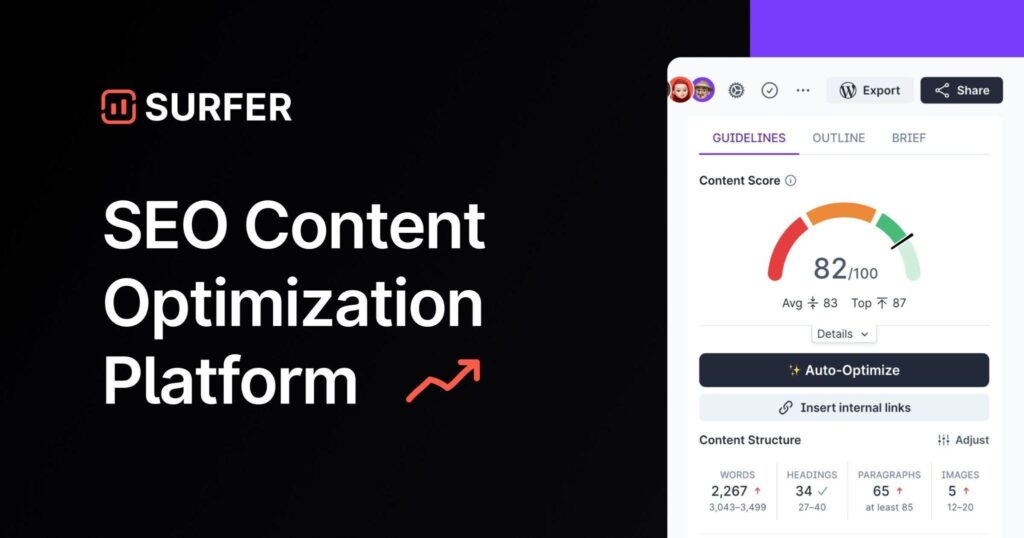
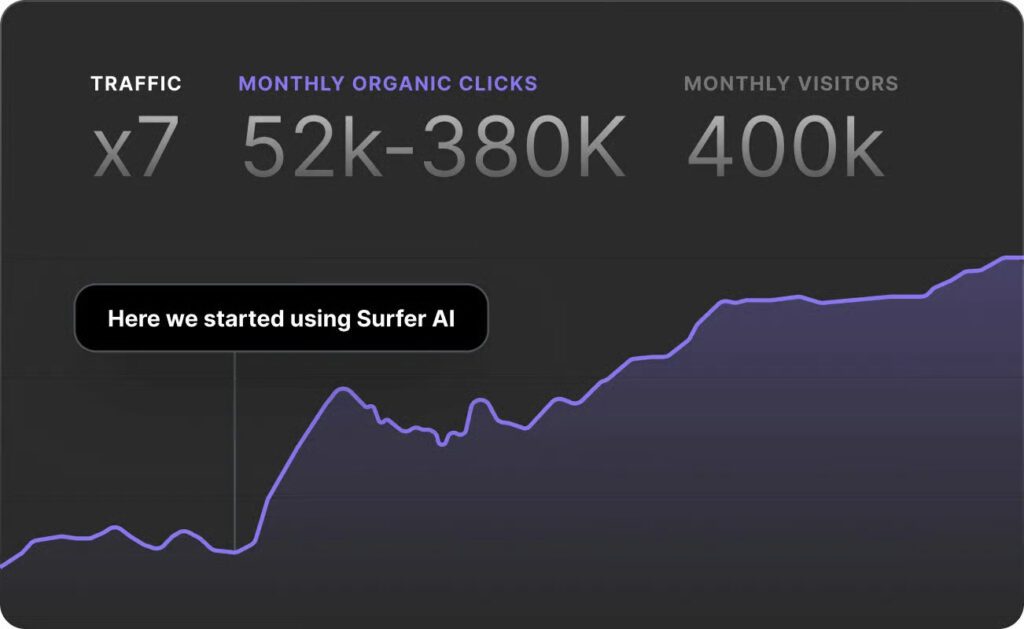
Let’s get into the world of these AI tools. The first one is a content optimisation tool called Surfer SEO. It is designed to help you craft copy that ranks well on search engines, which is an essential objective for any content strategy. As you write, Surfer analyses and scores your content based on factors like keyword density, readability, length, header usage, and other SEO elements that boost visibility in search results. Surfer SEO offers seamless integrations with popular content marketing tools such as Jasper, WordPress, Google Docs, and more. Major brands, including FedEx, Shopify, Qantas, and Viacom, trust Surfer. 
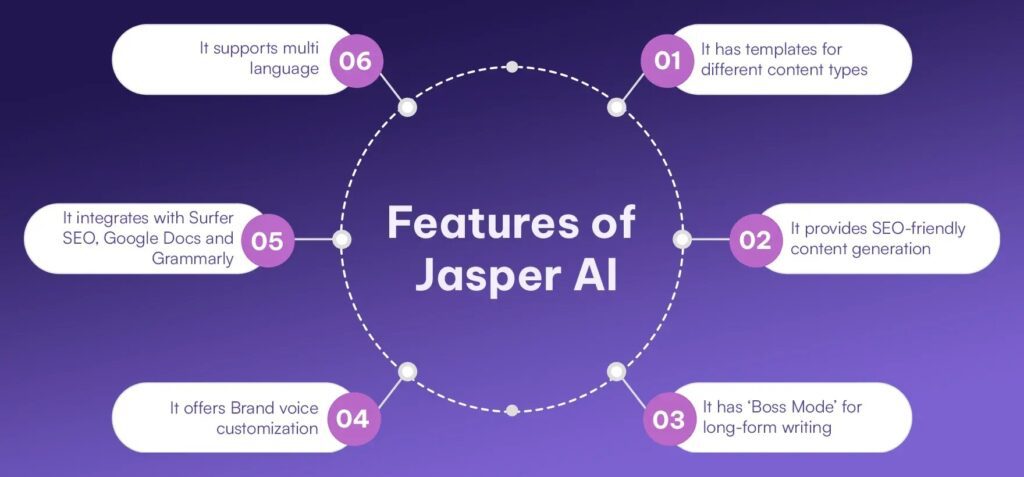
The second tool that is gaining traction is Jasper, which is a copywriting assistant. Whether you need copy for email campaigns, product descriptions for your e-commerce store, blog articles, or landing pages, Jasper has you covered. It features an easy-to-use interface, is cost-effective, and significantly accelerates content creation. While it won’t make you the next Tolstoy, Jasper will help you maintain strong SEO performance where it counts. The creators of Jasper found themselves facing the downside of rapid success when Marvel issued a cease-and-desist letter. At the time, their AI was called Jarvis, a playful nod to Tony Stark’s (Iron Man’s) virtual assistant. After gaining over 350,000 users, they rebranded the tool as Jasper.
We all know that digital images are essential for any agency working with brands. Lexica Art is one such tool that is widely being used by agencies around the world for generating digital images. It is a top-tier AI image generator and one of the most impressive ones available on the market right now.
It produces highly realistic visuals and is versatile enough to create marketing content for nearly any purpose. It allows you to use and save various prompts, ensuring all generated visuals stay consistent with your brand guidelines. Some brands even use it to create content for their social media channels. If you’re ready to ditch generic stock images for your blog thumbnails, this is a must-try tool.
How Are Agencies Around the World Using AI in Their Campaigns?
Globally, experiential marketing is undergoing a significant transformation, driven by generative AI technologies that empower brands to deliver more immersive, tailored, and trackable campaigns. Top agencies and global brands are at the forefront, exploring creative new ways to deepen audience engagement and expand what’s possible in brand experiences.

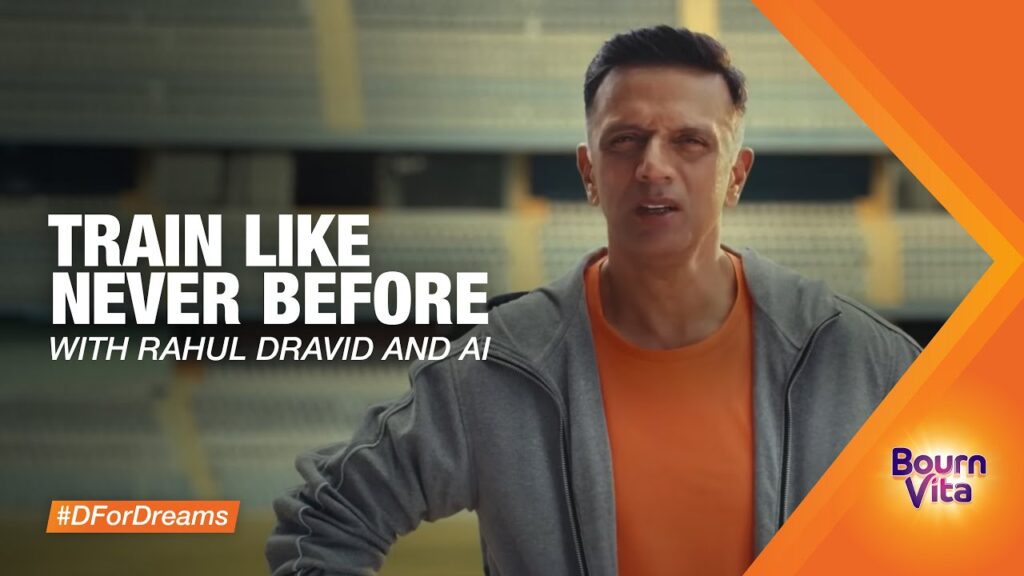
GroupM and Ogilvy collaborated with Cadbury to launch Bournvita’s “Vitamin Dravid” campaign. This initiative tackled a real societal issue in India, which is the culture of unbearable academic pressure on children. The campaign used AI voice synthesis and CGI to recreate Indian cricket legend Rahul Dravid in a digital avatar that could speak in multiple regional Indian languages.
At the heart of the campaign was an AI-driven microsite that allowed children to upload videos of their cricket shots and receive personalised coaching advice directly from a digital version of Rahul Dravid. The AI tools used in this campaign allowed Dravid’s digital persona to deliver personalised, culturally nuanced messages to children and their parents. It was designed with the goal of encouraging a wholesome child development atmosphere beyond academics. The campaign was strategically curated to humanise the conversation using the trust and warmth associated with Rahul Dravid. At the same time, it was AI-driven to make the message scalable and relatable across linguistic and cultural boundaries.
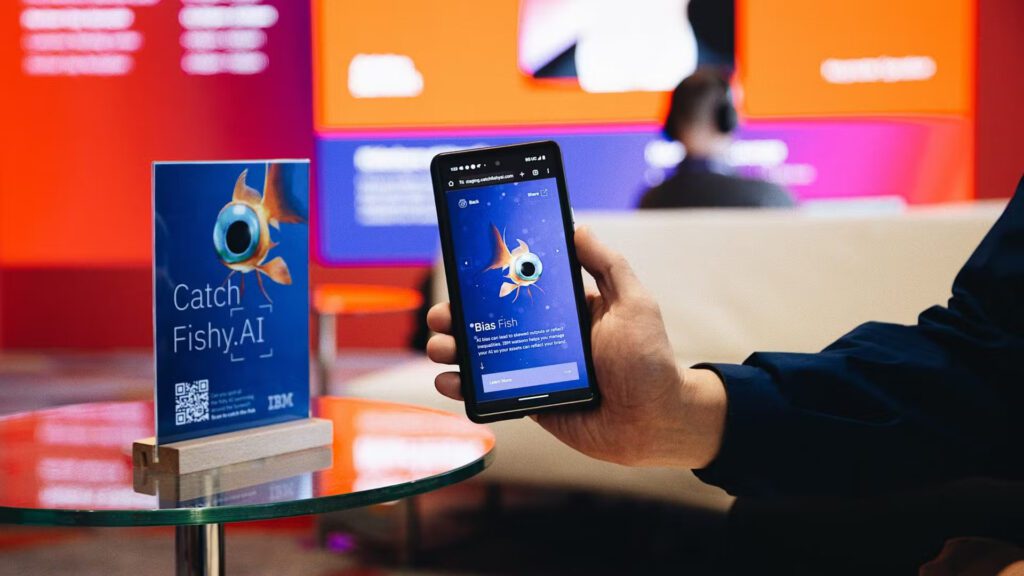
Another innovative use of AI was the “Fishy AI” campaign by IBM and Adobe. At the Adobe Summit in Las Vegas, IBM and Adobe joined forces to deliver a bold and unconventional message about AI and trust using fish as the centrepiece. The “Fishy.AI” campaign playfully reimagined the exterior of the Las Vegas Sphere as an enormous digital aquarium. It displayed a mesmerising array of quirky, AI-generated fish to spark conversation and curiosity among the attendees.
The campaign was designed to raise awareness about AI ethics and trust. It featured surreal, AI-generated fish artworks that were created using Adobe Firefly and IBM’s AI ethics tools. These visual pieces highlighted how generative AI could be both imaginative and aligned with ethical standards when properly governed. The fish were deliberately designed to provoke reflection on data bias, transparency, and the unpredictable nature of AI. This collaboration served as both an artistic statement and a call to action. It demonstrated how agencies can combine creativity and technology to engage audiences in critical conversations.
Did AI Make These Campaigns a Success?
The “Vitamin Dravid” campaign succeeded in emotional storytelling and transforming a public health concern into a national conversation. The campaign generated over 952 million impressions and reached 77.7 million people, significantly increasing brand visibility. With 7.9 million clicks on the microsite and 8.33 million engagements, it garnered deep and active user participation.
The multilingual delivery with AI helped the campaign resonate with families across India’s different regions. Most notably, the campaign delivered measurable brand impact and a one-percentage-point lift in brand consideration. And also an increase in “Brands I Trust” scores, which is highly significant in a traditionally slow-moving category. Positive sentiment around the brand also skyrocketed from 9% to 49%, demonstrating the emotional and cultural resonance AI helped explore.
Meanwhile, the “Fishy.AI” campaign stood out as a powerful, thought-provoking display in the responsible AI space. It was more than just a visually playful activation program; it delivered 618 million earned impressions. It also triggered a 540% surge in social engagement. Beyond the awareness aspect, the campaign influenced perception and behaviour. 
Moreover, there was a 14% improvement in funnel movement, which is much higher than in previous years. The campaign received industry recognition for its originality and message-driven creativity.
It proved that a brand doesn’t always need a product pitch to create an impact. Instead, brands can use AI as a medium for nurturing meaningful cultural dialogue.
Has Integrating AI into Marketing Campaigns been Financially Beneficial for Agencies?
Campaign Red, a global insights, analysis, and data content services organisation, has investigated the financial situation of the agencies to unfold the truth. Campaign Red’s investigation paints a complex yet revealing picture: while AI technology is undeniably transforming the advertising ecosystem, the financial benefits for agencies are far from straightforward.
AI adoption in the marketing industry has surged, with nearly 63% of brand marketers already integrating generative AI into their campaigns, and only 9% indicating no plans to adopt it. This widespread embrace of AI reflects its growing importance, but it also comes with cost-related pressures. Many companies, 55% to be exact, are planning to renew their creative and media contracts to include AI-specific clauses, while 48% intend to establish clear guidelines on how agencies should use generative AI. Despite these advancements, agencies are facing increasing client expectations to pass on the cost savings enabled by automation. As a result, while AI improves efficiency and output, it is also putting downward pressure on agency fees, challenging traditional business models, and pushing agencies to demonstrate greater value beyond just production.
As AI streamlines workflows and boosts efficiency, clients are expecting agencies to reflect these automation-driven savings in reduced fees. This creates financial tension; while agencies invest heavily in AI tools, their traditional revenue models face pressure. Many are exploring alternative pricing structures like outcome-based or deliverable-based contracts, but these remain difficult to standardise and scale across clients.
Leading agency networks like WPP, Publicis, and Havas have each invested over $300 million in AI development, often reallocating existing budgets to fund these initiatives. While tools like WPP Open are widely adopted internally, the return on investment remains uncertain, especially as clients look to tech platforms for direct AI solutions, challenging agencies to prove the value of their in-house systems.
In essence, integrating AI into marketing campaigns is financially beneficial, but mostly for brands and in terms of efficiency gains. Agencies face a tougher equation in this transaction. While agencies drive innovation, the cost-savings promise pressures clients to pay less, forcing them to rethink pricing and operational models to earn their share of value.
Author: Irtazia Zaman