Starting off with the notion that each individual is a “brand” with a unique selling point, the idea of personal brand has evolved over time and branched out into different forms. One such form of brand is the CEO brand. It reflects the CEO’s ability to build and represent a personal brand that aligns with the organization they lead.
CEO branding involves shaping a chief executive’s public image in such a manner that highlights their values and vision. This branding process ultimately strengthens both their personal image and the company’s reputation. This can encompass a wide range of things. It can range from the CEO’s personal style and public speaking skills to their visibility and presence across various media platforms. In today’s competitive business landscape, every CEO’s name needs to have a CEO brand. A lot of research is showing that a huge percentage of an organization’s reputation is tied to its CEO’s reputation. CEOs are the main brand ambassadors for their companies, and it’s not a luxury to have a CEO brand anymore. It has become a necessity.
Why CEO Branding Matters
CEO brands that are well-managed can bring about substantial benefits to the organizations they belong to. Surveys show that a CEO’s visibility and reputation strongly influence company performance and perception. A Weber Shandwick (marketing communications company) report found that companies surveyed believe that 44% of a company’s market value is tied to their CEO’s reputation.
On another important note, 82% of customers trust the organizations whose leaders are personable on social media. Another piece of research by Entrepreneur shows that 66-77% of consumers say they are more likely to recommend a company if they follow its CEO online. The CEO brand has a similar effect on talent and investor decisions. Before purchasing shares, 87% of investors look at a CEO’s reputation. Also, companies are about 70% more successful at attracting and retaining top talent when their leaders are engaging public figures.
Stronger Trust and Reputation
Organizational credibility is increased when CEOs publicly express their opinions and beliefs. It’s because that gives a perception of them being genuine thought leaders. On the other hand, a CEO with a weak brand image harms the organization as a whole.
Business Growth Prospect
A reputable CEO can literally “halo” the business. A marketing study by CBG (The Claire Bahn Group) actually revealed that 55% of company decision-makers choose firms based on the CEO’s thought leadership. Sales, partnerships, and market status are all improved when a leader is viewed as insightful and credible. According to a strategist, the company inherits the credibility that its CEO carries.
Global Success Stories of CEO Brands
CEO branding has helped charismatic CEOs grow their businesses all over the world. One of the biggest CEO brands of all time, Steve Jobs, is credited with reviving Apple by embodying the brand’s values and bringing groundbreaking change in the industry. His iconic “Think Different” campaign, with Jobs himself as the visionary leader, won multiple awards and restored the brand image of Apple after years of decline.

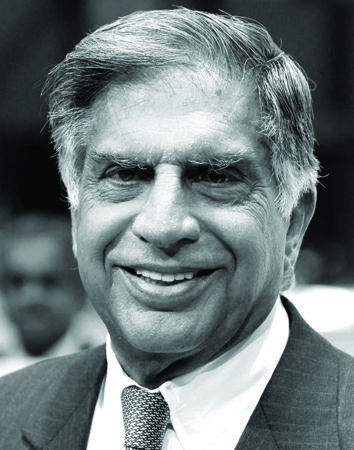
India’s Ratan Tata left behind a personal legacy of integrity and humility that became intrinsically linked to the Tata Group. The reputation of the Tata Group is still shaped by Ratan Tata’s legacy of compassion and modesty, according to observers. It truly demonstrates how a genuine CEO brand can build stakeholder trust.
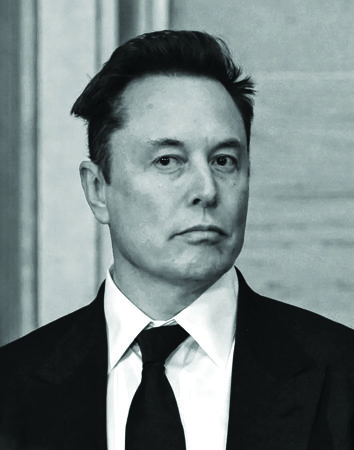
Tech visionaries also illustrate the upsides of CEO branding. In recent years, Elon Musk’s bold public persona has helped position Tesla and SpaceX as industry disruptors. His willingness to speak about future technologies has positively reframed electric vehicles and space ventures.
These CEOs leveraged media and knowledge dissemination to create goodwill. Their personal goal to uphold innovation and social impact mirrored their corporate strategy. So each success for the leader looked like a success for the company.
CEO Brandings Backfired
However, the CEO’s brand image can go the other way sometimes. If a CEO’s image turns sour, the damage naturally spreads company-wide. A case study showed Uber’s turmoil under founder Travis Kalanick’s leadership. The internal study revealed that while customers liked Uber’s service, they flinched at the mention of Kalanick’s name. Insiders bluntly concluded that Uber didn’t have a company image problem. Instead, they had a CEO brand image problem. Basically, Kalanick’s combative style and scandals poisoned the company’s brand image, ultimately forcing his ouster.
Even a successful visionary like Elon Musk has seen the perils that a negative CEO brand image brings. His 2018 tweets about taking Tesla private caused a stock plunge. It reminded us that a CEO’s slip-up can shave billions off market value. Musk faced heavy criticism because of his involvement in the Department of Government Efficiency (DOGE) and for becoming part of Donald Trump’s second administration earlier this year.
In each case, negative publicity or misaligned messaging by the CEO became inseparable from the corporate image. Branding experts around the world warn that any scandal tainting a CEO can rapidly tarnish the company’s reputation. These incidents underline that CEO branding is a double-edged sword; it can amplify good but also magnify bad.
CEO Brands Shaping Future Leaders and Society
CEO branding does more than just sell products. It also fosters a culture of leadership. CEOs who are visible and value-driven serve as role models for the next generation of leaders. They have the opportunity to influence not just their companies but entire industries and public debates. The CEOs who engage in industry forums set agendas by lending weight to the causes. For instance, when business leaders speak on sustainability, they advocate for that cause. CEOs become movement leaders through this process. They don’t just influence markets; they also shape movements.
Leadership visibility also cultivates talent within a company. Professionals nowadays expect mission-driven leadership. The CBG report shows that 86% of job seekers research a company’s leadership before deciding where to work. CEOs who communicate a clear vision and treat employees as stakeholders make prospective hires feel part of something meaningful. This creates a talent pipeline effect in the long run. Influential leadership voices act as beacons to attract talented candidates. In short, CEO branding turns leadership into an employer brand. If a leader becomes the brand, the entire organization gains credibility in the eyes of future leaders.
CEO Brands in Bangladesh
There are a few notable Bangladeshi figures whose personal brands have shone in their respective fields. But it’s mostly in development rather than commerce. Nobel laureate Dr. Muhammad Yunus is one of the most prominent names that come to mind when talking about Bangladeshi CEO brands.
Another visionary in the development sector is BRAC’s founder, Sir Fazle Hasan Abed. He built immense goodwill through decades of altruism. However, he rarely sought the limelight himself. But his ethics became synonymous with BRAC’s image and brought great honor to Bangladesh.
Challenges of Bangladesh’s CEO Branding Initiatives
Several factors contribute to CEO branding remaining underdeveloped in Bangladesh. One of the many reasons is that business leaders view self-promotion with suspicion. Local PR experts say that Bangladeshi companies underestimate the importance of storytelling. Unlike firms that we see globally, with entire PR teams, most Bangladeshi companies lack dedicated storytellers. This results in a lack of brand advocacy. Local CEOs’ media engagement often stops at press releases. Most of the leaders rarely hold public Q&A or interactive sessions that build trust. This becomes further complicated because of a general reluctance to share information.
Local PR and media consultancy firm Benchmark PR observes that Bangladeshi firms are hesitant to publish data and favor secrecy over transparency. Whereas companies abroad (and even a few startups in Dhaka) practice using data-driven PR to demonstrate openness. The gap is stark. Most of the local brands still grow on basic factors like low cost. They don’t feel the need to nurture intangible goodwill. In short, with few channels to highlight a CEO’s values and vision, Bangladesh’s corporate sector often leaves its leaders in the shadows. This leaves a vast branding opportunity unrealized. To sum it up, Bangladesh’s corporate sector frequently ignores CEO branding because there are limited avenues for showcasing a CEO’s values and vision. A huge branding opportunity remains unutilized because of this.
Necessity of CEO Branding in Bangladesh
Bangladesh aspires to be a global economic leader in the coming years. And with the graduation from LDC status, this CEO branding gap is increasingly salient. Having well-known, credible leaders can make all the difference to a company’s reputation and even the image of the country it’s from. Bangladeshi businesses would stand out to global investors with powerful CEO branding strategies. Investors today expect to vet the leaders behind the brand before committing. Additionally, it would encourage the upcoming generation of professionals to view leadership as a shared set of values rather than just a title.
The CBG research also suggests that as a country pursues ambitious goals, visible CEO leadership can complement policy through important values. In short, cultivating CEO brands is not just about self-promotion or publicity. It is a strategic imperative for any thriving organization. Bangladesh can bring about massive development in its corporate sector if it embraces CEO branding. Building trust with global partners and projecting confidence to the world is more important than ever for Bangladesh, given the current socio-economic situation.
Author: Irtiza Zaman