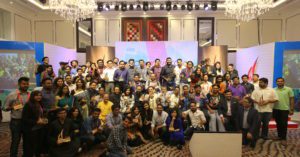
In a communication landscape increasingly shaped by noise, fragmentation, and cultural volatility, the 14th Communication Summit arrived as a timely pause for reflection and recalibration. Held on November 15 at Le Méridien Dhaka, the flagship initiative of Bangladesh Brand Forum brought together senior leaders from marketing, advertising, branding, media, public relations, and creative communication to confront a shared reality: creativity today must do more than capture attention, it must create meaning. Presented by SMC Enterprise Limited and powered by Walton Group, the summit centred on the theme “Chaos, Culture & Creativity: Reimagining the Communication Canvas,” positioning creativity as both a strategic discipline and a cultural responsibility in an era of constant disruption.
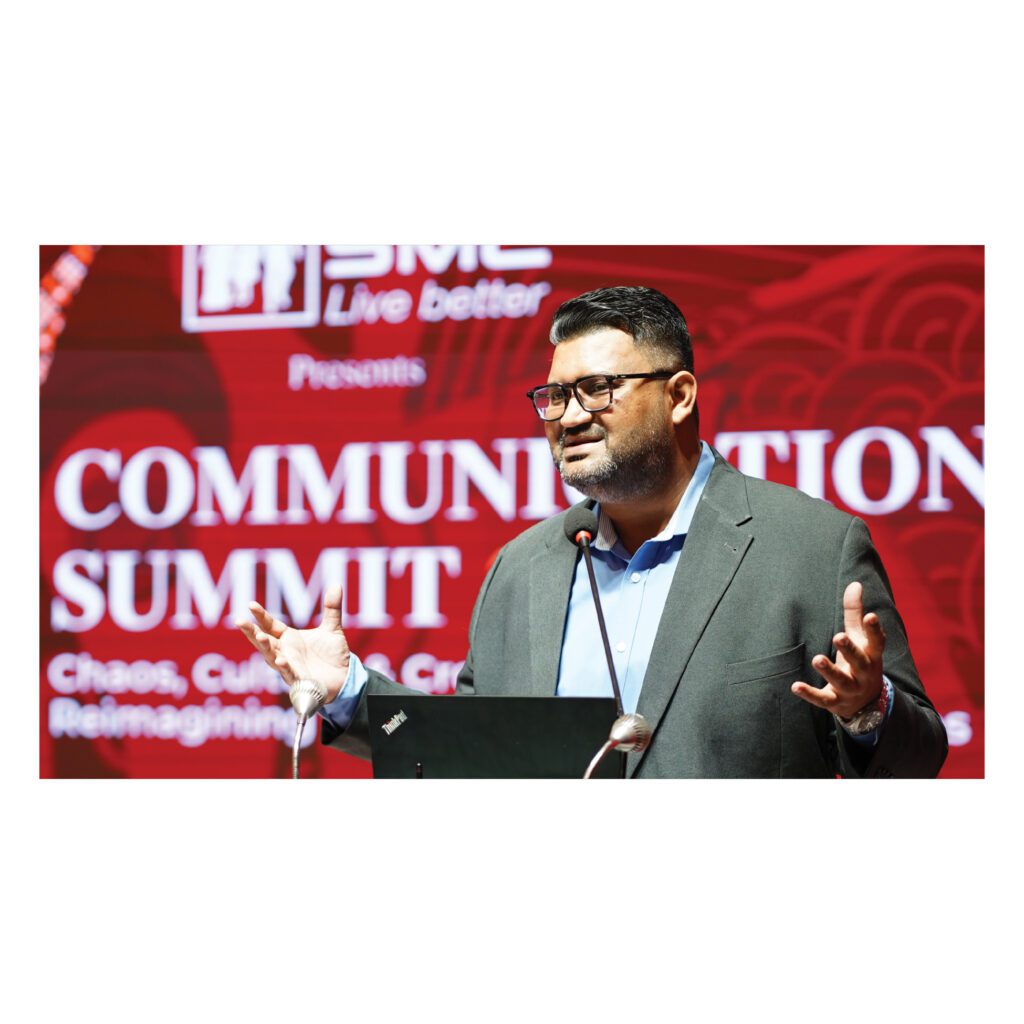
Welcoming the distinguished guests, Sajid Mahbub, Group CEO and Executive Editor, Bangladesh Brand Forum, articulated the spirit of the gathering, stating, “The world of communication is evolving faster than ever before. Amidst the noise and uncertainty, creativity has become our most powerful compass. The Communication Summit stands as a platform to rethink how we can harness culture, empathy, and creativity to shape meaningful brand stories and purposeful business outcomes.” His remarks framed the day as an invitation to move beyond tactical conversations and engage with deeper questions of relevance, trust, and long-term value.
What followed throughout the summit was a series of honest, sometimes uncomfortable, but necessary conversations about where communication is heading and what it must reclaim. From business problem-solving creativity and cultural truth to partnership models, attention economics, and leadership mindsets, the discussions reflected an industry actively questioning its own habits. This cover story captures those reflections not as isolated sessions, but as a collective narrative of an industry searching for clarity, courage, and coherence in the middle of chaos.
Session: Keynote
Theme: Solving Business Problems with Disruptive Creativity
Speaker: Tanzeen Alam, Country Head, Bangladesh & SEA, Emami Limited.
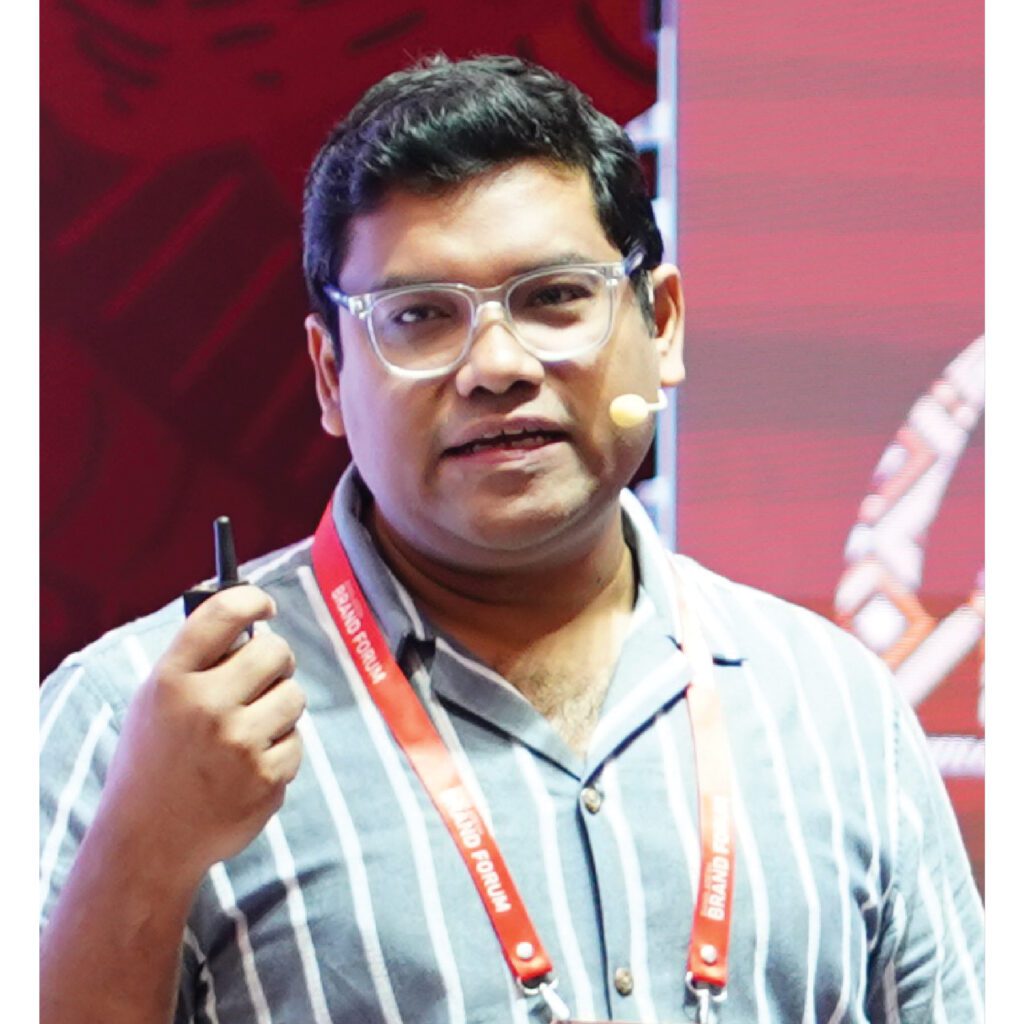
The keynote highlighted that creativity achieves its true power when it directly addresses real business problems, rather than existing only as a clever execution or an eye-catching communication device. It emphasized that many of today’s challenges cannot be solved with familiar formulas, as new-age problems demand new-age thinking and a willingness to question long-standing habits and assumptions. The discussion noted that behavioural change, whether related to hygiene, daily routines, or household practices, requires insight-driven reasoning that feels meaningful and relevant to people’s lived realities. It also stressed that in an attention-scarce environment, simplicity often cuts through more effectively than complexity, where a brief moment of surprise, a witty twist, or a sharp cultural reference can deliver stronger impact than over-produced narratives. Tanzeen Alam illustrated how elements such as nostalgia, humour, and relatable emotion can breathe life into even the most mundane functional issues, turning them into stories that feel engaging and worth talking about. The keynote further demonstrated that powerful creativity has the ability to humanize everyday problems like dirty toilets, greasy kitchens, or damp walls by framing them as shared experiences that audiences instantly recognize. It concluded by reinforcing the importance of deep consumer immersion, explaining that spending time in real homes, closely observing behaviour, and listening to lived experiences enables the creation of ideas that feel authentic, grounded in truth, and difficult for consumers to ignore.
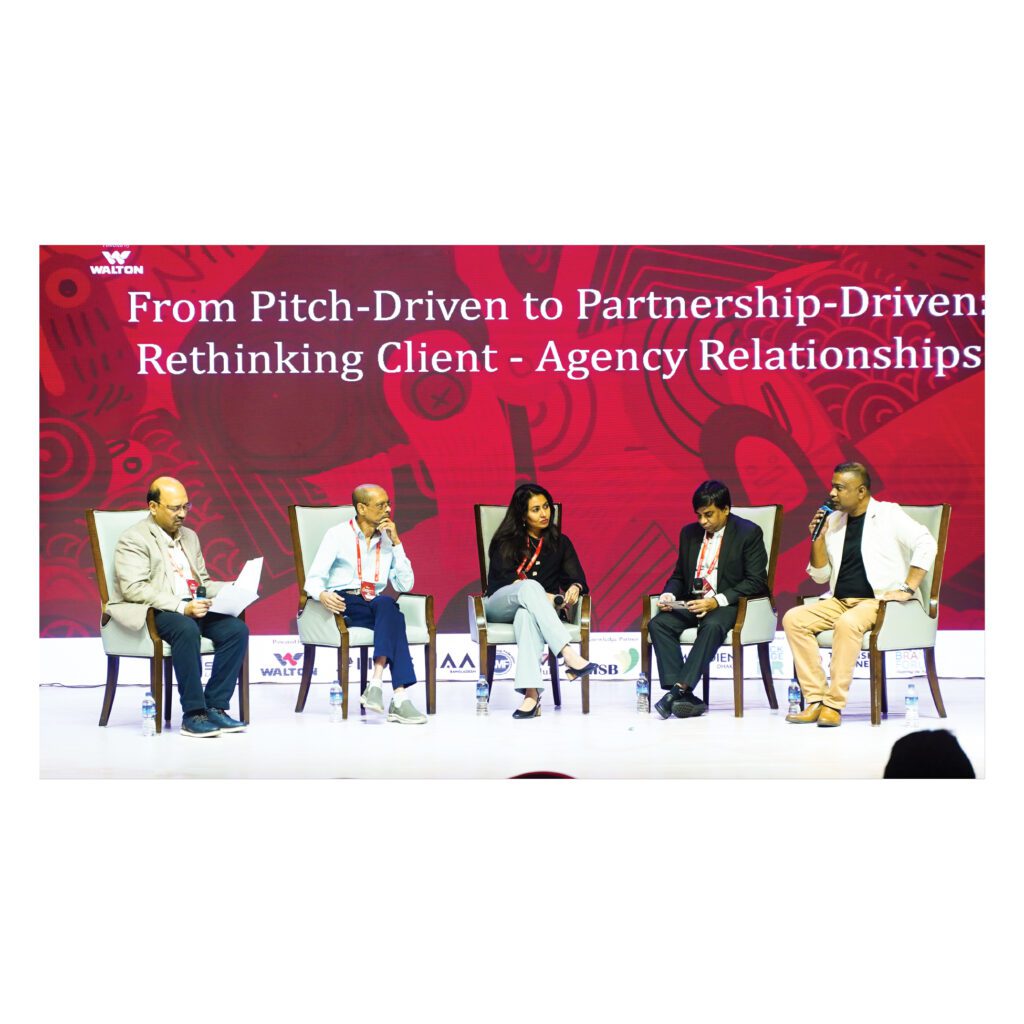
Session: Panel Discussion
Theme: From Pitch-Driven to Partnership-Driven: Rethinking Client – Agency Relationships
Moderator: Ashraf Bin Taj, Co-Founder & Managing Director, International Distribution Company Bangladesh PLC.
Panellist: Afzal Mahboob, Chief Executive Officer, Grey Group; Ajoy Kumar Kundu, Chief Executive Officer, Mediacom Limited; Sarah Ali, Managing Director, FCB Bitopi; Sharjeel Karim, Managing Director, Interspeed Advertising Limited.
The discussion highlighted that the shift from pitch-driven engagements to partnership-driven relationships requires a fundamental change in mindset from both clients and agencies, where mutual respect and transparency form the foundation of collaboration. It emphasized that the strongest partnerships are those in which both sides are willing to challenge each other constructively and honestly, not to win arguments, but to arrive at better ideas and stronger business outcomes. The panel stressed that brand ownership does not sit with one party alone, but is a shared responsibility that demands clear roles, defined boundaries, and joint accountability for performance, consistency, and long-term impact.
The conversation also underscored the importance of fair and professional processes in sustaining healthy relationships, pointing to issues such as proper pitch fees, balanced non-disclosure agreements, and compensation structures that genuinely reflect the effort, expertise, and resources required to deliver final work. It highlighted that agencies bring valuable cross-industry insights, creative frameworks, and exposure to diverse consumer contexts, while clients contribute deep business understanding, data, and operational realities, and that future readiness depends on how effectively these strengths are combined. The panel further noted that trust is built through human connection and continuity, growing stronger when teams work together as long-term partners rather than engaging in transactional, project-based exchanges. It concluded by emphasizing that joint research initiatives, shared evaluation mechanisms, and open problem-solving allow both sides to stay aligned with real consumer expectations, enabling partnerships that are more collaborative, resilient, and capable of delivering sustained value.
 Session: Keynote
Theme: Complacency in the Digital Age – The Bane of Brands: The Zohran Mamdani Campaign
Speaker: Awrup Irfan Sanyal, Agency Head & Chief Creative Strategist, Mighty:
The keynote highlighted that in the digital age, complacency has emerged as one of the most damaging risks for brands, often leading to predictable work that fails to capture attention or cultural relevance. It argued that many brands have become trapped in safe formulas and optimized templates, and that breaking out of this cycle requires a renewed willingness to experiment and take creative risks. The discussion called for a return to maximalism, suggesting that bold expression, visual density, and unapologetic personality can be powerful tools in a cluttered digital environment where minimalism has become overused and easily ignored. It also emphasized the value of paying close attention to low culture cues, noting that everyday cultural signals, street-level expression, and informal language often unlock more authentic and compelling storytelling than polished, top-down narratives.
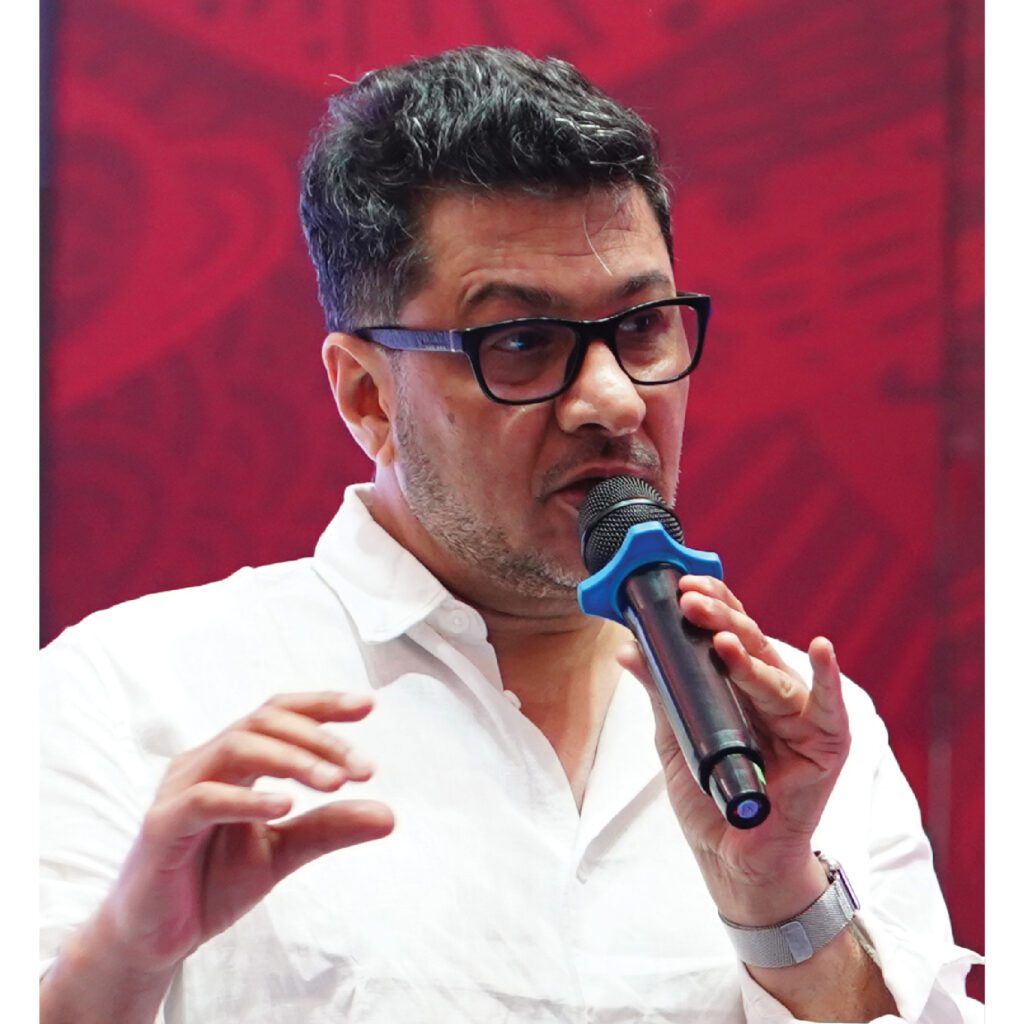
The keynote stressed that even the most sophisticated digital plans fall short if they remain disconnected from real communities, and that intuitive presence within cultural spaces allows brands to earn relevance rather than force visibility. Awrup Irfan Sanyal demonstrated how the Zohran Mamdani campaign successfully challenged template-driven thinking by embracing bold colours, mixed scripts, handmade visuals, and an aesthetic that felt raw, immediate, and human. The discussion further highlighted that genuine cultural energy comes from ordinary people and lived experiences, where rap battles, micro dramas, and working-class expression reveal how taste, language, and identity are evolving in real time. It emphasized that strong communication begins with a sharp understanding of real pain points, showing how Mamdani’s focus on transport, affordability, and dignity created clarity and emotional connection. The keynote concluded by reinforcing that work which feels playful, energetic, and alive during the creative process often lands with greater impact, as audiences can sense authenticity, courage, and intent behind the ideas.
Session: Case Study
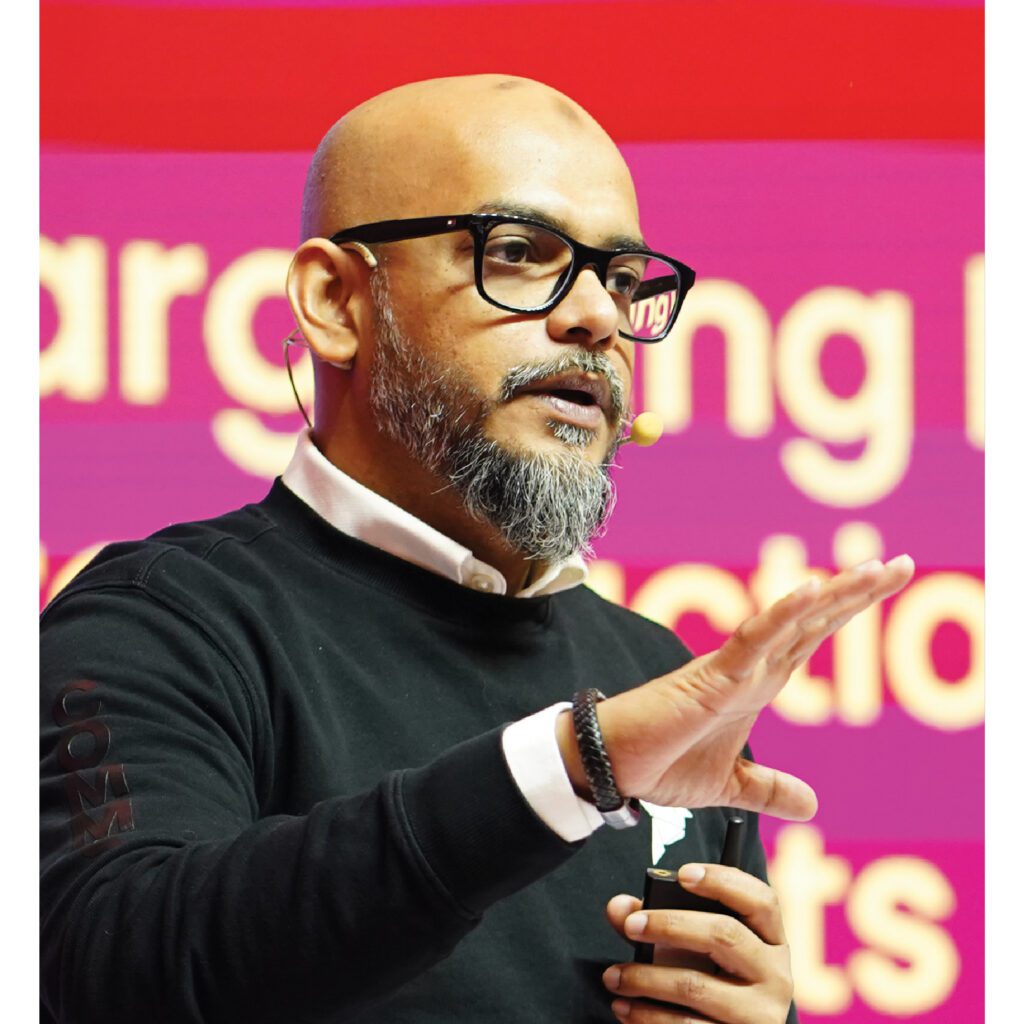
Theme: Cultural Shifts & Brand Truth: Redesigning Communication Canvases
Speaker: Ishtiaque Shahriar, Executive Vice President & Head of Department, Digital Assets & Communications, bKash Limited
The case study highlighted that the communication canvas is in constant motion, requiring brands to continuously adapt as storytelling has shifted from television to social platforms and now to mobile-first, participation-driven formats. It emphasized that power decisively moved from brands to consumers once feedback, comments, and reactions became instant and publicly visible, fundamentally changing how messages are shaped and perceived. The discussion showed that campaigns achieve their strongest impact when people are able to own them, noting that many of the most memorable bKash moments emerged from user-created lines, trends, and shared cultural expressions rather than top-down brand messaging. Ishtiaque Shahriar explained how viral behavior cannot be engineered, but brands can encourage it by listening carefully to what communities create and amplifying expressions that feel genuine and emotionally resonant. The case study also demonstrated that when design language evolves in step with cultural and behavioral shifts, such as the rise of selfies or digital festival greetings, campaigns feel intuitive and naturally relatable. It concluded by reinforcing that community-created content often outperforms brand-crafted communication, underscoring the reality that consumers increasingly shape the emotional identity, relevance, and cultural meaning of modern platforms.
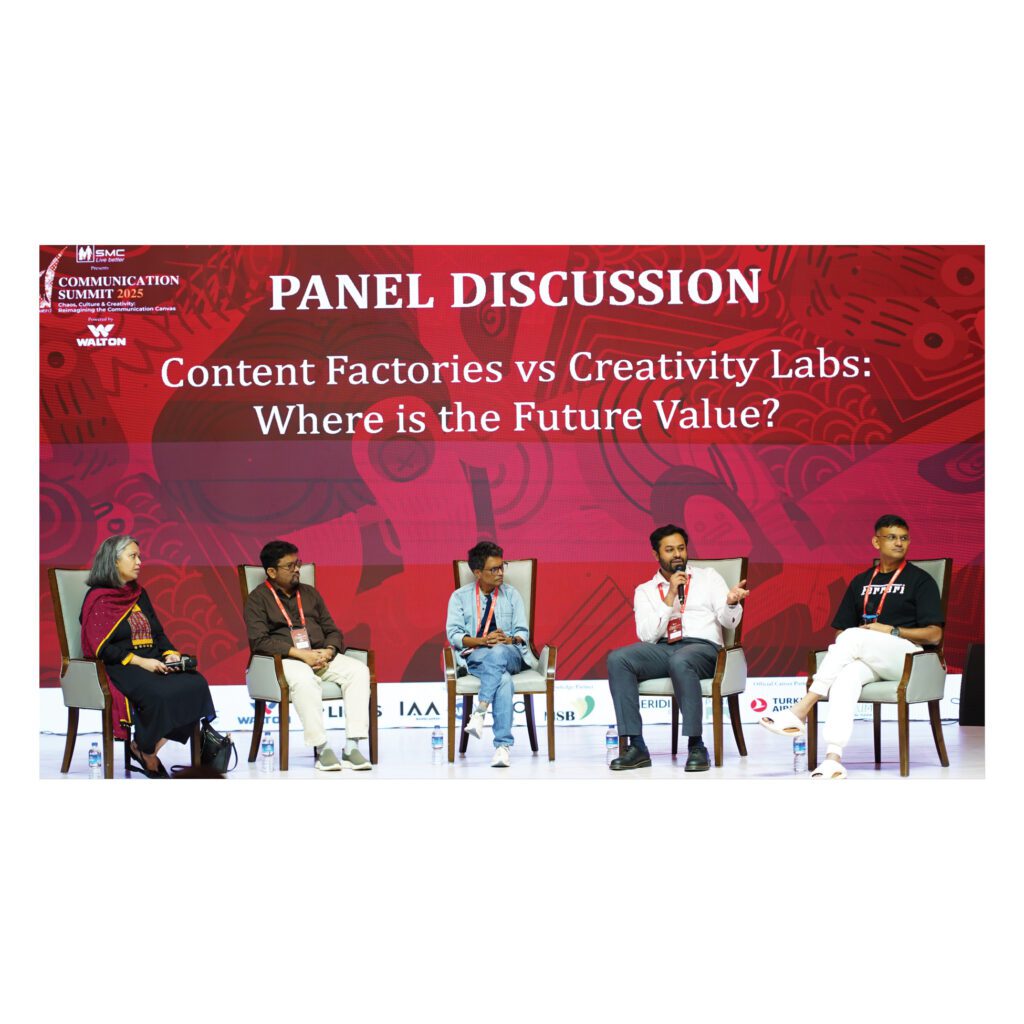
Session: Panel Discussion
Theme: Content Factories vs Creativity Labs: Where is the Future Value?
Moderator: Drabir Alam, Chief Operating Officer & Director, X Solutions Limited.
Panellist: Tanvir Hossain, Executive Creative Director, Sun Communications Limited; Saiful Azam Chowdhury, Executive Creative Director, Grey Dhaka; Tonmoy Dutta Gupta, Director Marketing, Lion Kallol Limited; Tahasina Rafa, Head of Brand & Media, Airtel Robi Axiata PLC.
The discussion examined the growing debate between content factories and creativity labs, arguing that the future value of brand communication does not lie in choosing one model over the other, but in understanding how both can coexist and complement each other. It highlighted that content factories play a critical role in delivering consistency, speed, and scale, particularly in an always-on digital environment, but only when they are guided by clear brand values, strong strategic intent, and thoughtful oversight rather than volume-driven output. The panel noted that without this grounding, factory models risk becoming repetitive and disconnected from meaning.
The conversation also explored how emerging tools and approaches, including absurdity and artificial intelligence, can open entirely new creative directions when they are rooted in real consumer insight and used with discernment. It emphasized that creativity labs thrive under different conditions, requiring time, trust, and space for teams to explore ideas without immediate pressure, allowing originality and cultural relevance to take shape organically. The discussion stressed the importance of ongoing experimentation, pointing out that testing new formats such as comedy, playful storytelling, or unconventional narratives helps brands stay fresh and uncover deeper emotional connections with audiences. Ultimately, the panel concluded that the strongest work comes from balance, where factory discipline ensures momentum and efficiency, while lab thinking fuels imagination, differentiation, and long-term brand impact. It further emphasized that collaboration across teams is essential, noting that when everyone shares a common understanding of the brand’s vision and purpose, ideas become sharper, execution becomes more seamless, and creative outcomes grow stronger and more coherent.
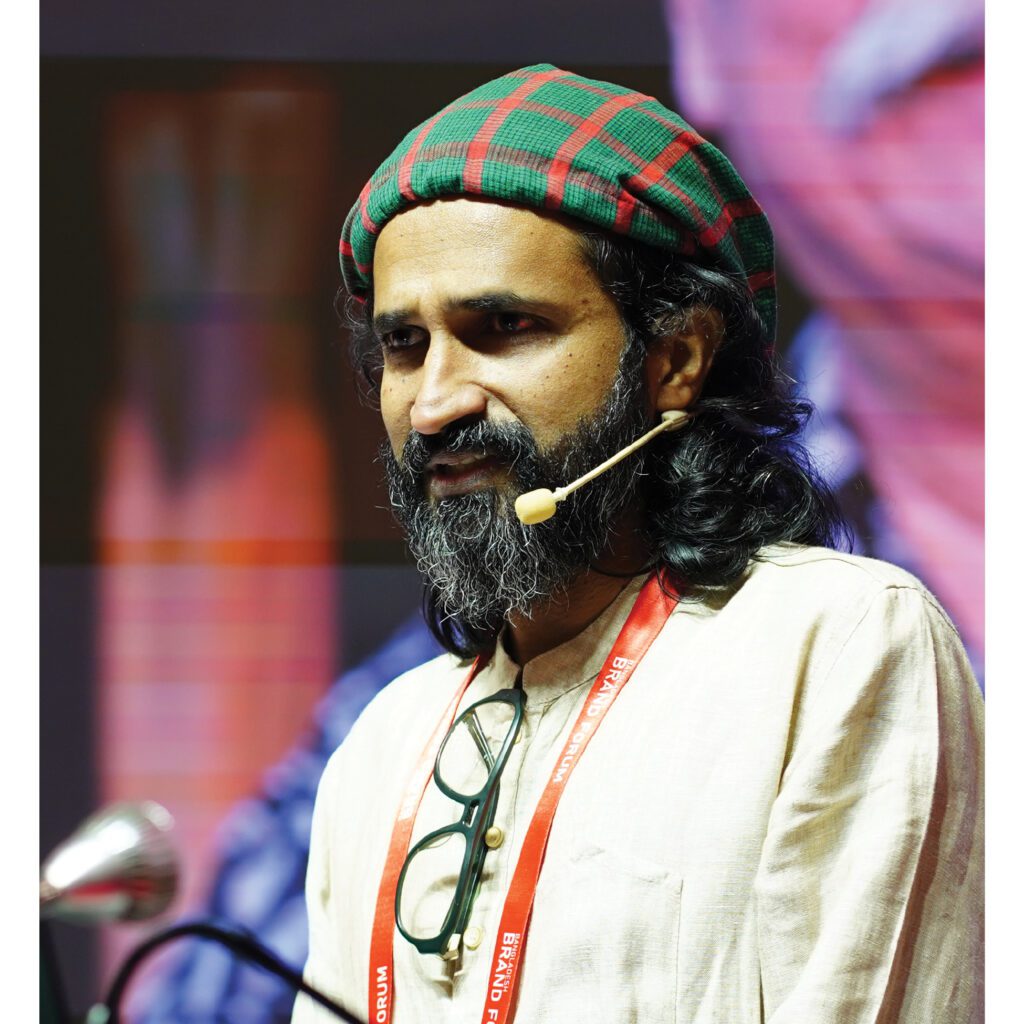
Session: Keynote
Theme: From Noise to Narrative: Crafting Clear Brand Voices in an Age of Chaos
Speaker: Taufique Mahmud, Executive Creative Director, Mediacom Limited
The keynote explored how brands can move from overwhelming noise to meaningful narrative in an increasingly chaotic communication environment, emphasizing that clarity always begins with context. It stressed that before any message is crafted, brands must invest time in truly understanding the client’s business reality, the competitive dynamics of the category, the evolving behaviour of consumers, and the cultural tensions that influence how messages are received. The discussion highlighted that clear thinking is the foundation of strong creativity, noting that when brands focus on purpose rather than reacting to constant pressure or trends, the resulting work becomes sharper, more relevant, and emotionally easier for audiences to connect with.
The keynote also pointed out that not every successful campaign needs a single breakthrough idea, as consistency over time can be just as powerful in building memory and trust. By staying anchored to a brand’s core values, tone, and meaning, communication can remain effective even as formats, platforms, and trends continue to shift. Taufique Mahmud emphasized that courage is a defining trait of impactful creative work, explaining that safe ideas often blend into clutter while bold ideas create conversations, provoke thought, and establish distinctiveness. He further highlighted that the strength of a brand is shaped by the quality of the client–agency relationship, where smart clients and smart agencies challenge each other constructively and collaborate with clarity and intent. The keynote concluded by reinforcing that moving from chaos to clarity requires honesty, consistency, and bravery, and that when brands commit to these principles, they are better positioned to break through clutter and build clear, memorable narratives that endure over time.
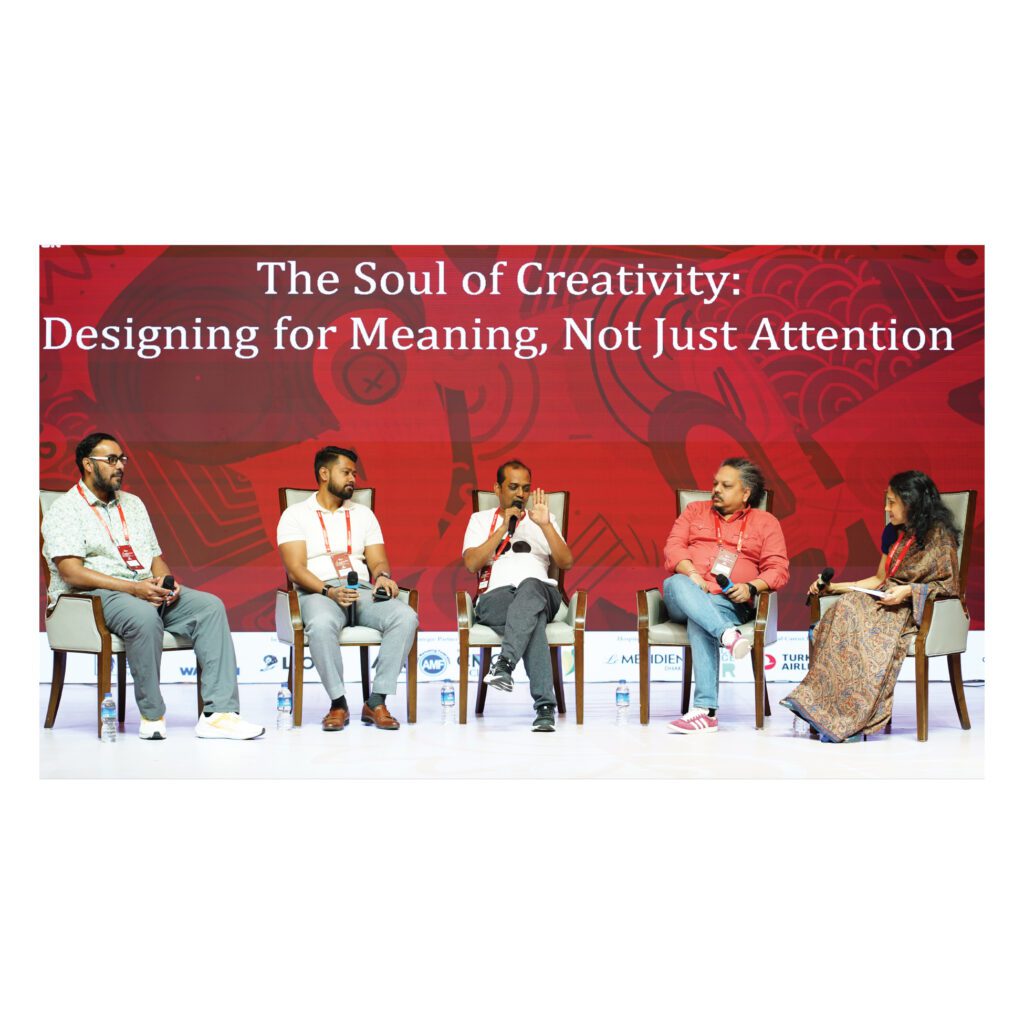 Session: Panel Discussion
Theme: The Soul of Creativity: Designing for Meaning, Not Just Attention
Moderator: Ayesha Farzana, SVP, Client Servicing, Grey Dhaka.
Panellist: Mohammad Akrum Hossain, Chief Creative Officer, POP5 Limited; Manas Paul, Vice President, Client Service & Executive Business Director, Asiatic Marketing Communications Limited/ Asiatic 3Sixty; Hasib Hasan Chowdhury, Executive Creative Director, Adcomm Limited; Raquibuddoula Chowdhury, Executive Creative Director, X Solutions Limited.
The discussion explored how the pursuit of attention has reshaped creative work in an era of constant scrolling and content overload, arguing that future value lies in designing for meaning rather than momentary visibility. It emphasized that when every brand is fighting for space in crowded feeds, consistency anchored in strong craft and cultural relevance becomes a critical differentiator. The panel noted that audiences are experiencing growing consumption fatigue, making it increasingly difficult for superficial or repetitive ideas to register. In this environment, brands that remain disciplined in tone, storytelling, and purpose are more likely to cut through and build recognition over time.
The conversation highlighted that virality, while often celebrated, is inherently short-lived, and that meaningful work grounded in a brand’s truth and audience context delivers value that lasts well beyond a temporary spike in views or engagement. The panel stressed that agencies and clients must learn and evolve together, creating partnerships that encourage openness to experimentation, new formats, and the responsible use of AI-driven tools. Such shared exploration, it argued, strengthens collaboration and ensures that technology enhances creativity rather than diluting it. The discussion also cautioned that disruption only works when it is purposeful, explaining that ideas that chase shock or novelty without alignment to the brand may grab attention briefly but rarely form an emotional connection or trust.
Empathy emerged as a central theme, with the panel underscoring that meaningful creativity requires a deep understanding of lived behaviours, cultural nuances, and generational shifts. By listening closely to how people think, feel, and express themselves, brands can craft ideas that feel human and authentic rather than manufactured. The discussion concluded by reinforcing that the strongest creative partnerships are built on shared learning and curiosity, where clients and agencies explore tools, formats, and ideas together. In doing so, they create work that moves beyond noise, delivers lasting relevance, and builds emotional resonance in an increasingly fragmented communication landscape.
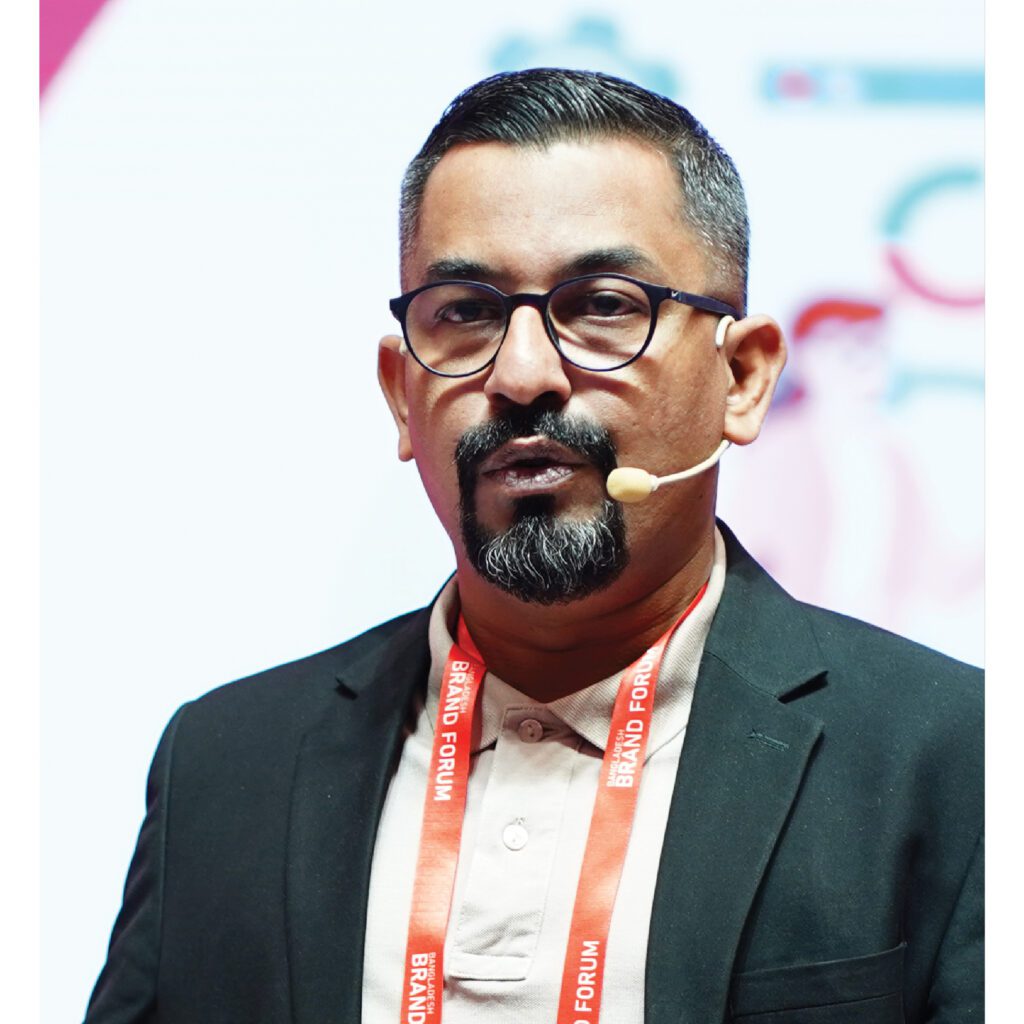
Session: Case Study
Theme: The Attend Equation
Speaker: Lutfi Chowdhury, Co-Founder & CEO, Adfinix Limited.
The case study examined how the core principles of marketing remain unchanged, even as the application of those principles must evolve in an environment where attention is scarce and communication channels are saturated with noise. It highlighted that traditional measures such as impressions and views are no longer reliable indicators of success, as most audiences disengage within seconds without forming any emotional or cognitive connection. The discussion reframed attention as the true currency of modern marketing, arguing that brands must move beyond counting exposure and instead understand who is genuinely watching, how long they stay engaged, and what they actually absorb. Lutfi Chowdhury demonstrated that relevance plays a decisive role in earning attention, explaining that reaching the right audience at the right moment is what ultimately drives meaningful outcomes. The case study emphasized that when data is used to decode real human motivations rather than to chase vanity metrics, marketing regains its precision and impact. It also showed how smarter funneling, continuous testing, and segmentation can reveal which messages resonate with which audiences, helping brands convert passive viewers into active participants and, ultimately, into consumers who engage with intent rather than habit.
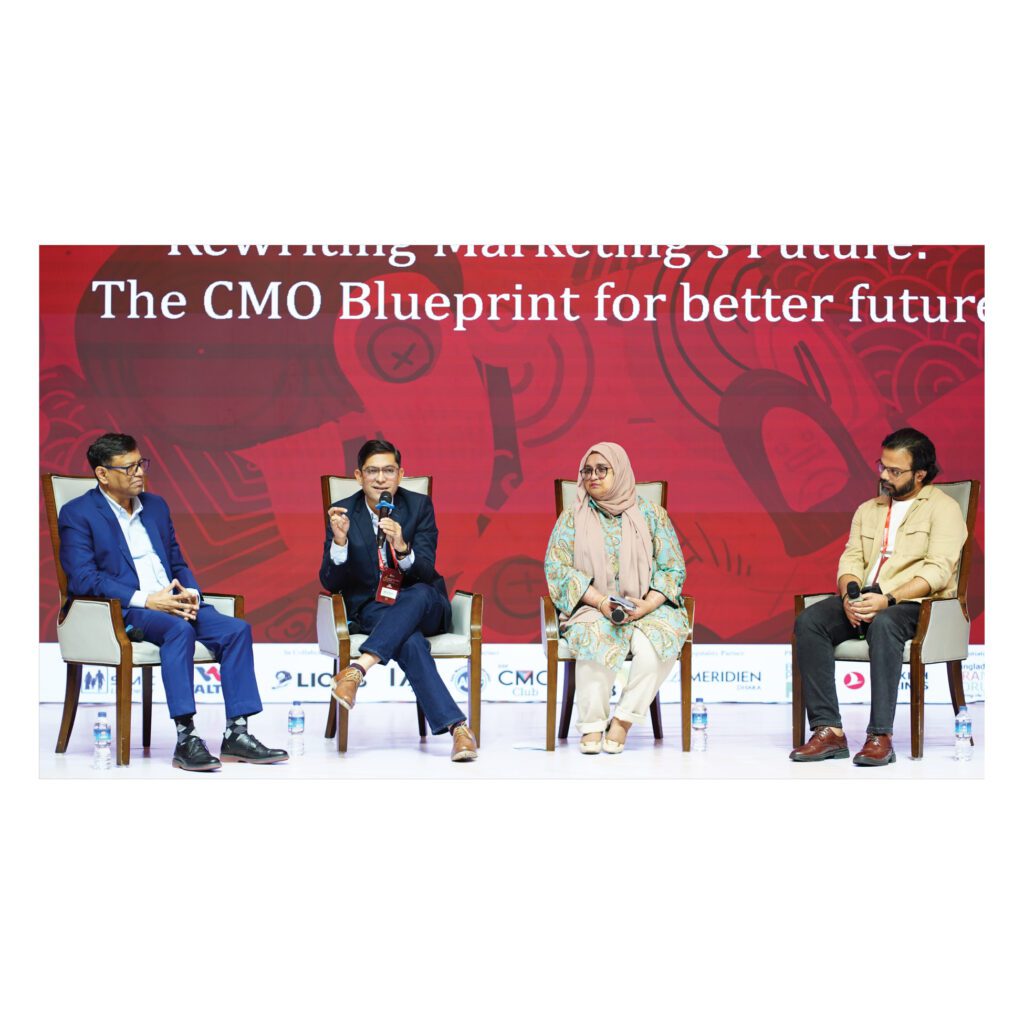 Session: Panel Discussion
Theme: Rewriting Marketing’s Future: The CMO Blueprint for better future
Moderator: Shamim Uz Zaman, Chief Executive Officer, RSPL Health BD Limited
Panellist: Urfi Ahmad, General Manager, VML Bangladesh; Farah Shahrookh Raza, Head of Marketing and Branding, Bangladesh Steel Re-Rolling Mills Limited (BSRM); Shammi Rubayet Karim, Head of Marketing Communications & Services, Nestlé Bangladesh PLC.; Ashraf Ull Bari, Head of Brand, bKash Limited.
The discussion examined how marketing leaders must rethink their role in shaping the future of brands, emphasizing that while tools, platforms, and formats continue to evolve, the fundamentals of marketing remain constant. It highlighted the need to return to a clear understanding of real consumer tensions, noting that meaningful strategies are built on insight rather than assumptions or surface-level trends. The panel stressed that authenticity has become a strategic responsibility, where brands must align purpose, product, and community impact to earn long-term trust in an environment of growing skepticism. It also pointed out that the chaos of the digital ecosystem demands consistency and discipline, requiring brands to adapt platform-specific tactics without diluting a strong and coherent brand core.
The discussion further emphasized that modern marketing organizations perform best when teams are empowered with clarity and confidence rather than being constrained by excessive micromanagement. Creating a learning-oriented culture that encourages experimentation within clear boundaries was seen as essential for innovation. The panel also highlighted the value of healthy debate between agencies and brands, arguing that constructive friction often leads to sharper ideas and more robust strategic direction. It concluded by reinforcing that future-ready marketing organizations must balance creativity with structure by reducing unnecessary bureaucracy and creating space for strategic thinking, while also prioritizing team wellbeing. Leaders were encouraged to nurture curiosity, continuous learning, and diverse experiences to build resilient teams capable of navigating complexity and shaping the next chapter of marketing.
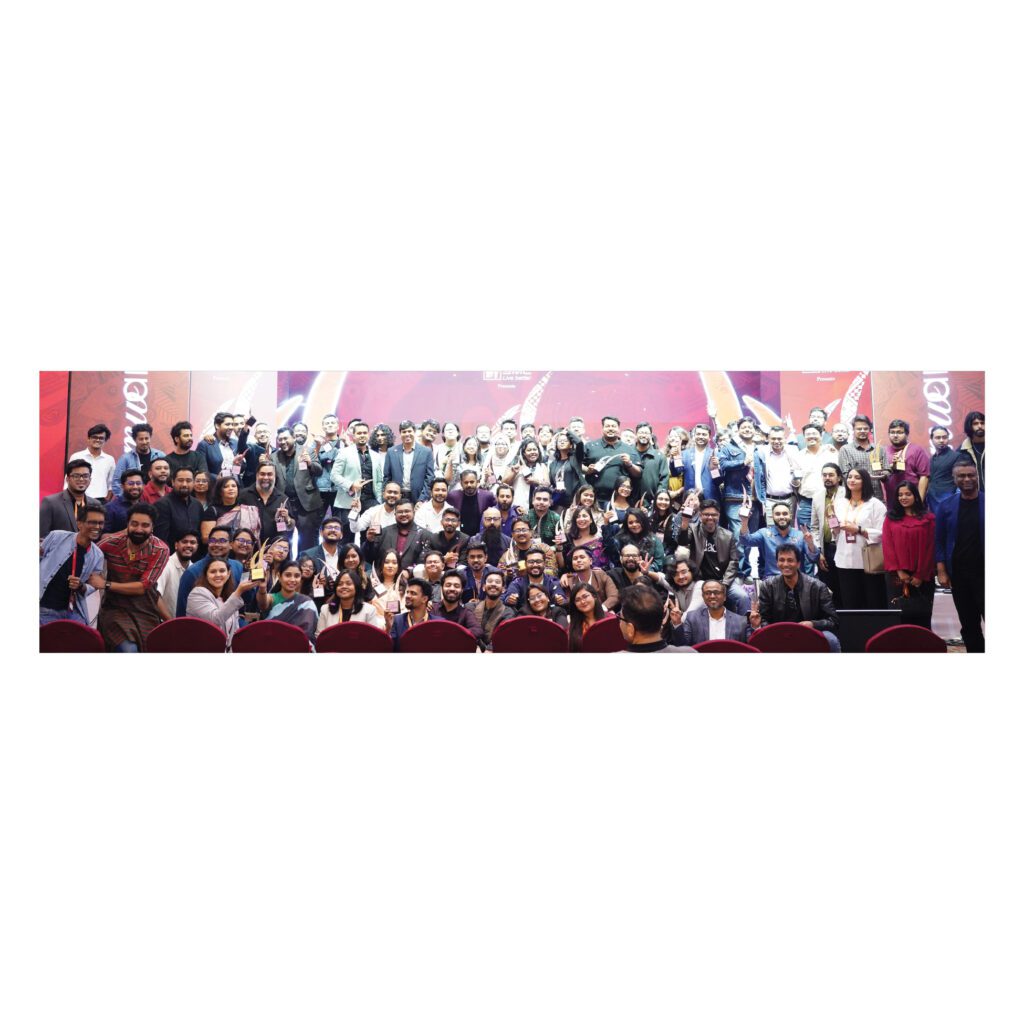
As the conversations of the Communication Summit concluded, the focus of the evening shifted from dialogue to celebration with the 14th edition of COMMWARD: Excellence in Creative Communication, reinforcing the summit’s themes through the work itself. Held on the same day at Le Méridien Dhaka, the gala brought the creative industry together to honour 134 standout campaigns across 32 categories, recognising ideas that demonstrated both craft and cultural relevance. Presented by SMC Enterprise Limited and powered by Walton Group, COMMWARD once again served as the industry’s most definitive stage for acknowledging excellence across traditional and digital platforms.
This year’s edition reflected the scale and momentum of Bangladesh’s creative ecosystem, drawing 1,411 nominations from 87 agencies, brands, and organisations. From this highly competitive pool, two campaigns earned the Grand Prix, alongside eight Gold, 39 Silver, and 85 Bronze recognitions, showcasing a wide spectrum of creative ambition, strategic thinking, and executional depth. The introduction of six new categories, including B2B, Best Unpublished Work, Campaign for Positivity, Creative Business Transformation, Long Term Brand Platform, and Luxury, further underscored how the industry is evolving in response to changing business needs, cultural expectations, and communication formats.
Opening the gala, Shariful Islam, Founder and Managing Director, Bangladesh Brand Forum, reflected on the industry’s resilience, noting that Bangladeshi creative communication continues to adapt, innovate, and connect deeply with audiences at a time when brands are being challenged to rethink how they engage with people. The evening also upheld COMMWARD’s commitment to credibility through a rigorous two-tier jury process involving 250 distinguished jurors, ensuring that recognition was grounded in fairness, expertise, and high standards.
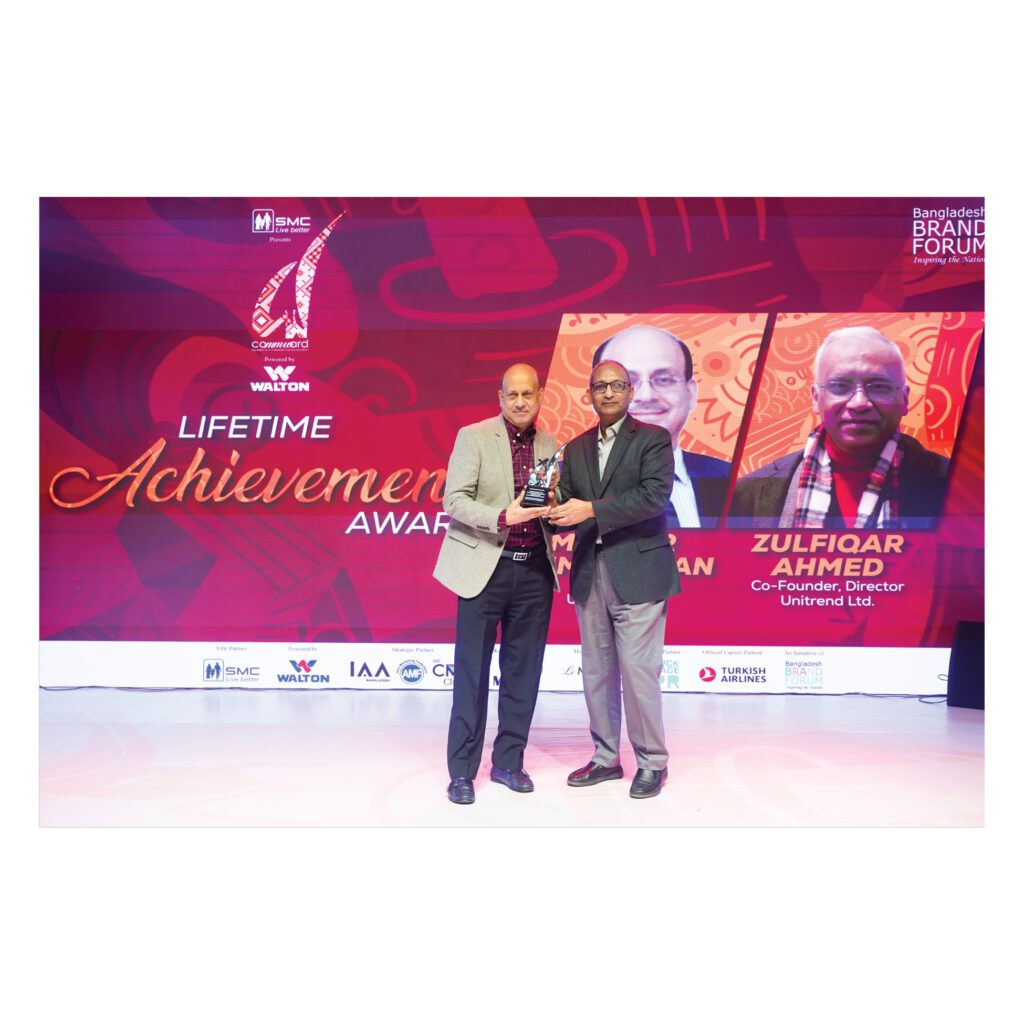
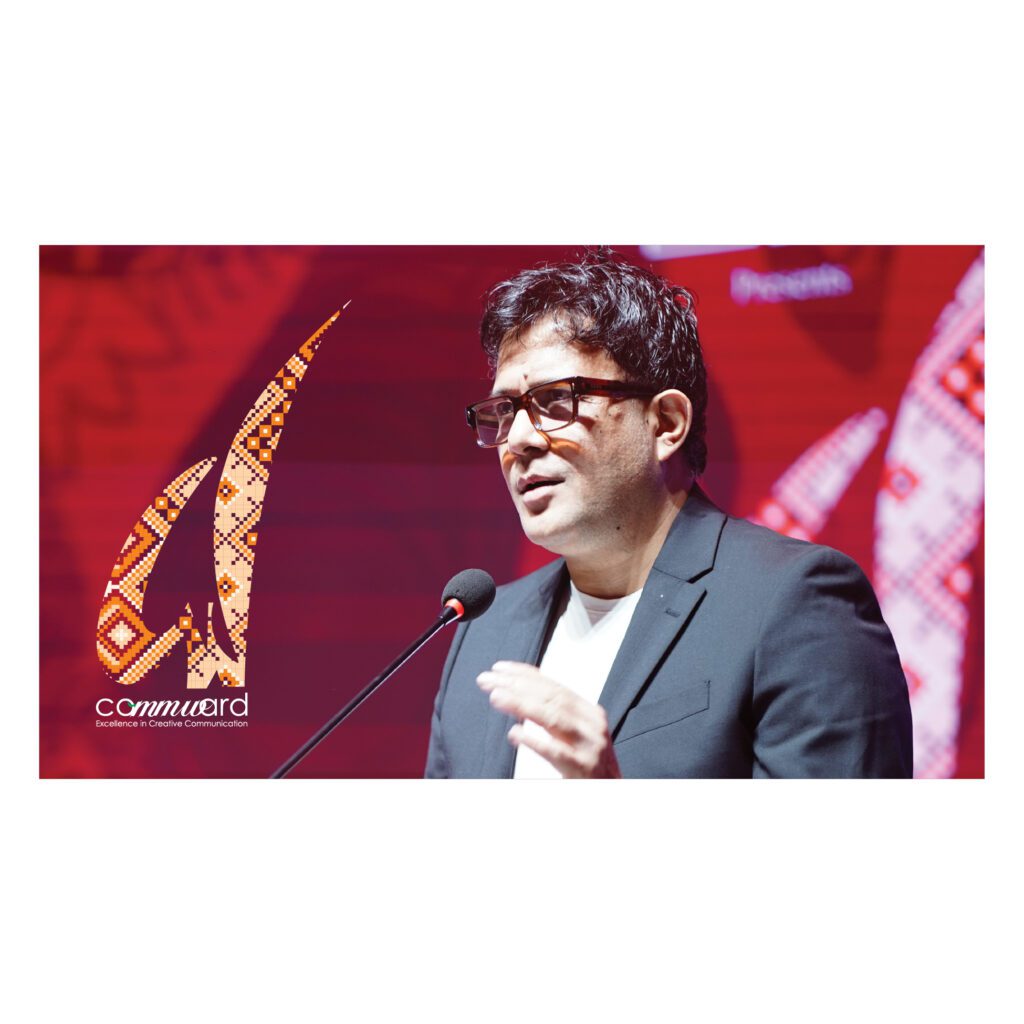 Beyond campaign awards, the gala paid tribute to the spirit and legacy of the industry. For the third consecutive year, the Reza Ali Independent Spirit Award, presented by FCB Bitopi in collaboration with COMMWARD, honoured bold and imaginative creative pursuit, with FCB Bitopi receiving the recognition for Domex Bangladesh’s campaign bvK w`‡q †`Lyb. The evening further recognised the foundational contributions of two stalwarts of the advertising industry, Muneer Ahmed Khan and Zulfiqar Ahmed of Unitrend Limited, with the Outstanding Lifetime Achievement Award, acknowledging careers that have shaped generations of creative practice in Bangladesh.
 More than a closing ceremony, the 14th COMMWARD functioned as a powerful extension of the summit’s central narrative. It translated conversations about chaos, culture, and creativity into tangible benchmarks of excellence, reaffirming COMMWARD’s role, since its inception in 2009, as a platform that not only rewards great work but continuously raises the bar for strategic creativity, purposeful communication, and culturally resonant storytelling in Bangladesh.
 Partners
Communication Summit and Commward 2025 are presented by SMC Enterprise Limited and powered by Walton Group. In Collaboration with partner: Cannes Lions International Festival of Creativity; Strategic Partner – International Advertising Association Bangladesh, Asia Marketing Federation (AMF); BBF CMO Club; Knowledge Partner- Marketing Society of Bangladesh (MSB); Hospitality Partner – Le Méridien Dhaka; PR Partner – Backpage PR; Official Carrier partner – Turkish Airlines. Communication Summit and Commward 2025 are initiatives of Bangladesh Brand Forum.