Abstract
This study investigates how married men in Ghana engage with mobile fitness applications and the relational meanings that emerge from their use. Drawing on qualitative data from focus group discussions and dyadic interviews, and guided by Self-Determination Theory, Social Exchange Theory, and the Theory of Planned Behaviour, the research reveals that fitness apps serve not merely as tools for self-discipline and health monitoring, but as relational artefacts embedded in the emotional fabric of marriage. The findings show that mobile-first fitness practices, though individually designed, often spill into conjugal life. They deepen intimacy, reinforce masculine identity, and mediate cultural expectations. Men described how app-driven fitness routines fostered emotional bonding with their spouses, while women played a central role in motivating, affirming, and negotiating the boundaries of appearance, care, and respectability. However, the relational utility of current app designs remains limited, with participants expressing a clear demand for culturally attuned and emotionally responsive features that support couple-based health journeys. By situating digital fitness use within the socio-cultural context of Ghanaian marriages, the study extends conversations on digital health beyond individual behaviour to relational wellbeing, offering critical insights for behavioural designers and app developers aiming to create more inclusive and socially intelligent technologies in emerging markets.
Keywords: Mobile fitness applications, Digital health, Married men, Relational wellbeing, Ghana, and Self-Determination Theory
Introduction
In addition to gender norms and communal values, structural factors such as digital access, socioeconomic status, and literacy significantly influence mobile fitness behaviours. While Ghana has a high mobile penetration rate, with over 133% SIM penetration reported in recent years, disparities in smartphone access still exist, particularly based on income and geographic location (National Communications Authority, 2023). Digital literacy is improving but remains unevenly distributed, with lower rates among older adults, rural residents, and individuals with limited formal education (GSMA, 2022).
These inequalities not only affect who engages with fitness apps but also influence the interpretation and sustainability of that engagement. Additionally, economic uncertainty may limit the ability to afford mobile data packages or fitness-related subscriptions, making it essential for digital health solutions to consider affordability and ease of use in their design (Fabbrizio et al., 2023; Aboagye et al., 2024). Therefore, while sociocultural factors shape the meaning of fitness, infrastructural realities determine access and the continuity of app usage.
Cultural norms surrounding health and wellness are also evolving, and along with it is a growing body of research that examines the connection between personal exercise routines and the dynamics of conjugal relations (Thompson, 2014). Through the integration of pertinent theoretical frameworks and empirical data, this review aims to provide a comprehensive understanding of how physical fitness influences marital relationships. The study also highlights gaps in the literature and proposes areas for future study.
Research Context
Motivations for Personal Fitness
Understanding the motivations behind personal fitness regimens is essential for comprehending their impact on relationships. Motivation plays a key role in sustaining long-term exercise, which is associated with significant health benefits (Teixeira et al., 2012). Research typically classifies fitness motivations into two types: intrinsic and extrinsic (Vallerand, 2000). Intrinsic motivations encompass personal satisfaction, enjoyment, and the pursuit of health, while extrinsic motivations involve social recognition, competition, and external rewards (Ryan and Deci, 2020).
In the Ghanaian context, cultural factors significantly influence these motivations. Societal expectations regarding masculinity and physical appearance may drive men to engage in fitness activities (Courtenay, 2000). The desire to conform to traditional masculine ideals, emphasizing strength and resilience, can motivate men to pursue fitness as a way to enhance social status and fulfill familial responsibilities. Community and social networks also play a vital role in shaping fitness behaviours, suggesting that men may be motivated by a desire to connect with peers and improve their social standing (Cattell, 2001).
Fitness Activities and Marital Relationships
The relationship between fitness activities and marital dynamics is complex and multifaceted (Pettee et al., 2006). Shared fitness activities can enhance marital satisfaction by fostering communication, teamwork, and mutual support (Madison, 2024). Engaging in physical activities together can create shared experiences that strengthen emotional bonds and improve relationship quality (Thoits, 2011; Kok et al., 2013).
When individual fitness routines consume time or limit family interactions, they can create relational strain (Bottomley, 2019). In Ghana, the traditional division of labour and leisure between genders makes this influence particularly pronounced (Robles et al., 2014), as men who prioritize fitness over family duties may risk conflict and neglecting their partners (Mailey, 2014).
The Role of Technology in Fitness Regimens
Wright (2017) suggests that digital fitness platforms have changed the way people participate in fitness activities. According to Lui (2023), men’s fitness routines and interactions with their partners may bec shaped by digital fitness platforms. Gulati (2024) has also noted that digital fitness platforms can help boost user motivation and accountability by allowing users to share goals and achievements with partners. The capacity of fitness platforms to support shared fitness experiences holds substantial promise in Ghana because of the strong communal values (Aboagye et al., 2024). The potential of these technologies to improve relational well-being has not been sufficiently studied (White & Jha, 2023). Further investigations are needed to determine how these platforms can be tailored to meet the specific cultural and social needs of Ghanaian users.
Sociocultural Context of Ghana
The sociocultural context of Ghana plays a critical role in shaping the relationship between personal fitness and marital dynamics (Addai et al, 2015). Thus, according to Chalabaev et al. (2013) traditional gender roles are among the key factors that influence how men perceive fitness. The concept of masculinity resonates typically in Ghana, with an “imagery of traditional male characteristics that are displayed in the form of dominance and strength” (Yalley & Olutayo, 2020) among others. As a result, engaging in fitness activities may be viewed as a means of fulfilling these “societal expectations” (Iwon et al, 2021). This has the tendency to influence how men relate to their spouses (Dery & Akurugu, 2021). Moreover, the limited access to fitness resources and the digital divide tend to affect how men engage in fitness regimens (Fabbrizio et al., 2023) and share these experiences with their partners. It is therefore important to understand these sociocultural contexts in analysing the connection between fitness and marital relationships.
Empirical Evidence
Several empirical studies (Rauer & Hornbuckle, 2019; Thomas et al., 2022; Ortega et al., 2011; Yorgason et al., 2018) have examined the relationship between fitness and marital satisfaction. In the study by Rauer and Hornbuckle, (2019), couples alluded to higher marital satisfaction when they felt more physically fit. However, they cautioned that one spouse’s views on physical fitness may not necessarily lead to corresponding changes in the other spouse’s perceptions or behaviours regarding exercise.
Similarly, Thomas et al., (2022) revealed that marital support is strongly linked to more frequent active exercise and walking. Ortega et al. (2011) explored the concept of fitness and marital relationship from the viewpoint of changes in marital status. The study confirmed that marital transitions have an impact on fitness levels. Specifically, while women experienced reduced fitness when transitioning to marriage, men, on the other hand, showed increased fitness after divorce but reduced fitness right upon remarriage. It was concluded that a complex relationship exists between fitness regimens and marital status changes. This is corroborated by an earlier study by Janzen and Cousins (1995), which found that women’s physical activity decreases after marriage, but supportive spouses help maintain exercise levels.
The impact of individual and conjoint exercise has also been researched by Yorgason et al., (2018). The study concluded that individual exercise is linked to positive marital events and satisfaction, while conjoint exercise is associated with nearly all marital outcomes for couples. These researches provide the basics for concluding that to a greater extent, physical activities have a role to play in marital satisfaction. Conversely, some studies have highlighted potential negative outcomes, indicating that individual fitness pursuits could lead to feelings of neglect among partners, particularly when time spent on fitness activities detracts from family obligations (Thompson & Bell, 2020). This underscores the need for taking a deeper dive into how personal fitness regimens can both positively and negatively influence marital outcomes.
To analyse the relationship between personal fitness and marital dynamics, the study used the Self-Determination Theory, Social Exchange Theory and the Theory of Planned Behaviour.
Self-Determination Theory (SDT)
Self-Determination Theory (SDT) provides a comprehensive framework for understanding human motivation, personality development as well as wellness (Ryan & Vansteenkiste, 2023; Vallerand, 2000). At its core, SDT explains that individuals are driven by both intrinsic and extrinsic motivations, which influence their behaviours. In terms of fitness, intrinsic motivations, such as personal satisfaction and enjoyment, have been shown to foster better relational outcomes (Ospina, 2023).
Recent studies in SDT have underscored the importance of autonomous motivation and basic psychological need satisfaction in enhancing positive outcomes, including workplace well-being (McAnally & Hagger, 2024). Conversely, controlled motivation and need frustration have also been linked to negative outcomes, such as burnout and turnover.
In the context of mobile fitness apps, the theory can inform the understanding of how Ghanaian men’s motivations for using these apps mirrors their marital relationships. By examining the intrinsic and extrinsic motivations underlying their use of mobile fitness apps, it is possible to gain an insightful understanding of the relational outcomes associated with this behaviour.
Social Exchange Theory
Social Exchange Theory (SET) provides a valuable framework for understanding the dynamics of relationships, including those in the context of fitness and exercise (Blau, 1964). According to SET, relationships are maintained through a cost-benefit analysis, where individuals evaluate the rewards and costs of their interactions (Virk et al., 2024). This theoretical perspective posits that social behaviour arises from an exchange process, wherein individuals seek to maximize benefits and minimize costs in their relationships. Reciprocity underlies SET and suggests that people are obligated to give back value that they receive from others, either in equal or proportionate measure (Blau, 1964). In the context of fitness, SET provides some explanation as to why couples who engage in shared physical activities are likely to be satisfied and experience better relationship quality. For instance, research has shown that when the rewards of shared fitness activities are more than the costs, couples may report stronger emotional connections and improved relationship outcomes (Cherry, 2020).
SET can provide valuable insights into the marital motivations and outcomes among Ghanaian men in the context of mobile fitness apps. The conceptual clarity relating to how mobile fitness apps influence relationship dynamics and marital satisfaction can be enhanced by examining the exchange processes and cost-benefit analyses that occur within fitness-related interactions. At a foundational level, SET can inform the development of effective interventions aimed at promoting healthy relationships and fitness behaviours among Ghanaian men.
Theory of Planned Behaviour
The Theory of Planned Behaviour (TPB) provides a valuable framework for understanding the cognitive and social factors that influence individual behaviour (Ajzen, 1991). According to TPB, attitudes, subjective norms and perceived behavioural control are important determinants of behavioural intentions and subsequent actions. Research has consistently shown that the relative importance of these factors varies across different behaviours and populations (Chen & Slade, 2024). For Ghanaian men’s fitness behaviours facilitated by mobile fitness apps, TPB can help explain the relationships between marital motivations, intentions and outcomes. This theoretical framework offers relevant insights into the psychological and social processes that underlie Ghanaian men’s decisions to engage in fitness behaviours and how these decisions impact their marital relationships.
Research Problem
Despite the growing use of mobile fitness apps in Ghana, little is known about how these tools shape or are shaped by marital relationships, cultural norms, and masculine identity. Existing apps are largely individual-focused and may overlook the relational and sociocultural realities of users in emerging contexts.
Gaps in the Literature
A number of research gaps still exist despite the increased interest in the relationship between technology, fitness and relationships. In particular, relatively fewer studies have been conducted on Ghanaian men’s usage of mobile fitness apps and how it affects their marriages. Furthermore, the cultural and contextual elements impacting Ghanaian men’s motivations for using mobile fitness apps as well as the eventual implications on their marital results have not been sufficiently examined in the research that currently exists. Furthermore, little is known about how digital fitness platforms affect Ghanaian men’s marriage satisfaction and relationship dynamics, underscoring the urgent need for empirical study in this field.
Research Purpose and Significance
This study explores how married Ghanaian men engage with mobile fitness apps and how such engagement influences relational dynamics, masculinity, and everyday health practices. Findings provide critical insights for players in the digital services industry, particularly app developers and behavioural designers, seeking to create culturally responsive and relationally intelligent fitness technologies.
Research Objectives
- To examine how mobile fitness app use among married men in Ghana is motivated, sustained, and socially interpreted.
- To explore how fitness routines mediated by mobile apps influence spousal relationships, intimacy, and gendered expectations.
- To identify gaps in current app functionalities and highlight features that could better support culturally embedded and relational health goals.
Methodology
This study employed an interpretive research philosophy, aiming to understand the subjective meanings and experiences of individuals within their social context (Pervin & Mokhtar, 2022). This approach was suitable for this study because it enabled research participants to share their individual perspectives and experiences regarding the use of mobile fitness apps and their impact on marital relationships.
The target population for this study comprise married couples residing in the capital city of Ghana, to reflect the cosmopolitanism and diversity of urban locations. To recruit participants, the study used a purposive sampling strategy, which involved selecting participants based on their eligibility and willingness to participate. The sampling strategy was designed to continue until saturation was attained, ensuring that the study captured a comprehensive range of experiences and perspectives.
Actual data collection took place in selected gym centres and fitness routes or areas in major hotspots in Accra. The study used semi-structured interview guides as the primary data collection instrument. This approach enabled participants to share their experiences and perspectives in a flexible and open-ended manner. In addition to in-depth interviews, the study used Focus Group Discussions (FGDs) to gather data.
The adequacy of the sample was informed by the principles of data saturation, as articulated in qualitative research traditions (Neubauer et al., 2019). At the point of saturation, a total of two (2) FGDs had been conducted, each comprising a group of eight men who regularly used mobile fitness applications. Participants ranged in age from 31 to 52 years, represented various occupations including teaching, banking, artisanal work, and small-scale entrepreneurship, and resided in diverse neighbourhoods across Accra. Most had used fitness apps for at least six months. Although income data were not quantitatively collected, qualitative assessments during screening suggest that participants were from the working and middle classes. This ensured heterogeneity in terms of economic experience, digital exposure, and fitness motivations. Furthermore, saturation was achieved after four dyadic interviews were conducted, involving men and their spouses. This approach allowed the researcher to capture the perspectives of both husbands and wives, providing a more comprehensive understanding of the phenomenon under study.
To mitigate social-desirability bias during the dyads, interviews began with independent warm-up questions directed at each spouse before converging into joint discussions. The interviewer remained neutral throughout and probed divergent perspectives where they naturally emerged.
Data Analysis and Reflexivity
Data analysis employed a reflexive thematic approach, as outlined by Braun and Clarke (2006, 2021), utilising MAXQDA to facilitate systematic coding and theme development. Transcripts from focus group discussions and dyadic interviews were first imported into the software and reviewed multiple times to ensure familiarisation with the data. A hybrid coding strategy was employed, combining deductive codes based on the study’s conceptual framework with inductive codes that emerged from the participants’ narratives.
Initial descriptive and in vivo coding was used to capture both semantic content and culturally embedded expressions. Codes were then clustered into higher-order categories using MAXQDA’s visualisation tools, including code maps and co-occurrence matrices. Thematic patterns were refined through iterative memo-writing and cross-case comparison, with attention to both convergence and divergence across focus groups and dyadic interviews. Throughout the process, reflexivity was maintained to ensure analytic rigour and sensitivity to context.
Findings
Thematic Analysis of Focus Group Discussions on Mobile Fitness App Use Among Married Ghanaian Men
This section presents the analysis of two focus group discussions (FGDs) conducted with a total of sixteen married Ghanaian men, all of whom had experience using mobile fitness applications such as Google Fit, Samsung Health, Runkeeper, Home Workout, and Nike Training Club. The analysis aimed to explore how mobile fitness apps shape men’s engagement with physical health, relational intimacy and masculine identity in the Ghanaian context. Pseudonyms have been used in reporting the findings to ensure participants’ anonymity.
Five overarching themes were identified from the focus group discussions and are presented in Figure 1.
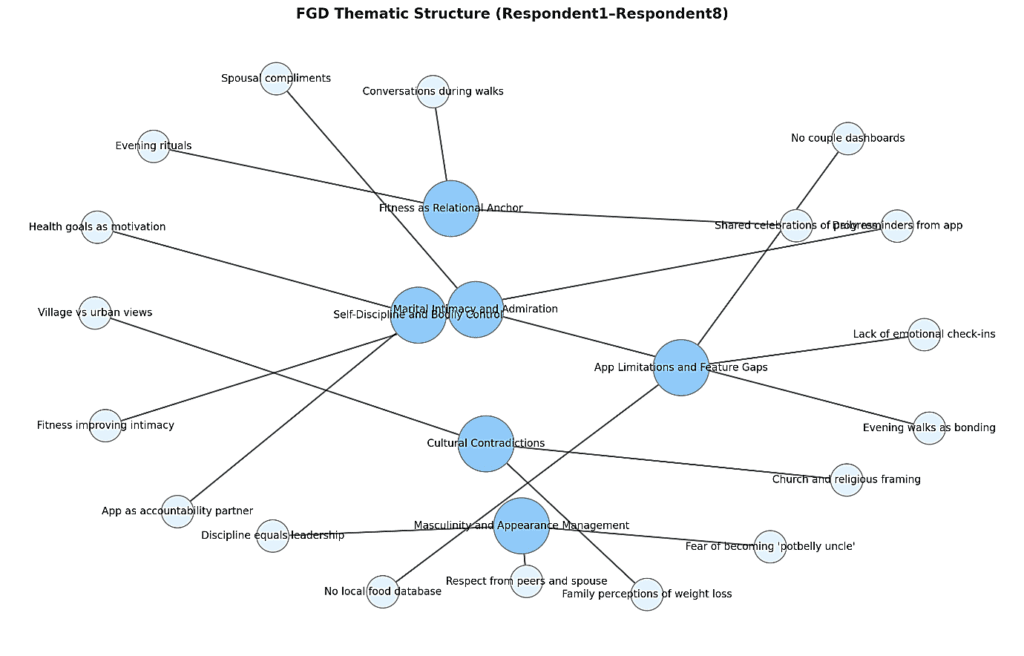
Figure 1: Structure of themes generated from two FGDs
- Fitness apps as scaffolding for self-discipline and bodily control
One of the most recurring meanings associated with mobile fitness app use was their role in fostering personal discipline. Men described the apps as tracking tools and accountability partners that introduced structure into their daily lives. The apps’ notifications and feedback loops became internalised by participants as part of a moral regime of health.
For instance, one participant explained:
“Sometimes I forget to move… then the app will remind me and I feel guilty. Like, ‘Chale, you’re slacking.’ That small buzz pushes me to get up and at least walk around the house.” (Kwame, FGD1)
The language of guilt, obligation and internal challenge surfaced repeatedly. Fitness was framed in terms of aesthetics or performance and as evidence of self-control and agency. Apps were valued when they made men feel “in charge” of their bodies.
- Mobile fitness as a bridge to marital affirmation and emotional intimacy
Another key theme was the transformation of fitness activity into a conduit for spousal connection. Men narrated how their fitness journeys, often initiated independently, gradually began to intersect with their relational lives. Even when their partners did not use the app or engage in direct workouts, they played an instrumental role in motivating and affirming their husbands.
One participant captured this dynamic poignantly:
“She doesn’t do the workouts, but she watches. And when I’m sweating she will say, ‘My man is working hard.’ It’s small, but it feels good. You want to keep going.” (Ezekiel, FGD2)
In some cases, this support evolved into co-participation, with partners joining for walks or evening stretches. These moments, described as “our time” or “a quiet bonding ritual”, emerged as opportunities to reconnect amidst the busyness of family life.
“Now we walk on Sundays. Just the two of us. We talk more on those walks than we do at home. No interruptions, no phones… just steps and stories.” (Isaac, FGD1)
The data suggests that fitness app use, while individualised in design, often spills into the relational domain, creating shared rhythms and languages of appreciation.
- Fitness and the quiet performance of modern Ghanaian masculinity
The analysis revealed that fitness app use was not just a health practice but also a performative act embedded within local scripts of masculinity. While men did not explicitly claim to be pursuing a masculine ideal, their narratives often reflected underlying expectations around control, sharpness, and visibility.
Several men used metaphors of respect and leadership to describe the outcomes of being fit:
“If you’re a man and you’re sharp, people take you seriously. Your wife’s family, your students, even your own kids. You look like you’re in charge.” (Kwame, FGD2)
There was a recurring contrast between the “sharp man” and the “potbelly uncle”, with the latter symbolising decline, passivity, and loss of agency. Fitness apps were positioned as tools to resist this slide, reinforcing one’s status as capable and respectable.
Importantly, this masculinity was not aggressive or public-facing but rather domestic and relational, tied to perceptions of being “useful”, “attractive”, and “disciplined” within the home.
- Navigating cultural contradictions and local pressures
Participants often had to navigate conflicting cultural messages about fitness and body size. While younger urban contexts valorised lean physiques and visible fitness, older or rural networks could interpret such changes as negative.
“When I go to the village and people see I’ve lost weight, they say, ‘You okay? You don’t look fresh again.’ But in Accra, the same body gets compliments. It’s confusing.” (Seth, FGD2)
Some men mentioned the role of religious encouragement in staying fit, citing church-run walking groups or health-themed sermons as examples. Others were drawn to fitness through peer competition in WhatsApp groups, where weekly stats and challenges were shared. These tensions reflect a hybrid moral economy in which fitness must be justified not only as self-care but as a culturally legitimate performance of health and respectability.
- Designing for intimacy: the unmet relational promise of fitness apps
Finally, a strong theme emerged around the limitations of current fitness apps in addressing the relational aspects of users’ lives. While men appreciated tracking functions and reminders, they frequently noted that the apps failed to support joint goals, local food tracking, or emotional interaction.
“My wife doesn’t use the app, but we work out together sometimes. I wish the app could let us plan something as a couple… maybe say, ‘You and your partner did five workouts this week…well done!’” (Desmond, FGD1)
Participants expressed a desire for features such as joint dashboards, culturally relevant prompts, partner sync options, and motivational badges for couples. Several recommended that apps include emotional check-ins, shared reflection tools, or even affirmational messages that could be sent between partners. These reflections reveal a disconnect between the individualistic design of global fitness technologies and the collective, relational orientations of users in Ghanaian contexts.
Thematic Analysis of Dyadic Interviews on Mobile Fitness Apps and Marital Dynamics
This section presents the analysis of four dyadic interviews with married Ghanaian couples who use mobile fitness apps. The goal was to triangulate and deepen the insights from the focus group discussions (FGDs) by examining how couples jointly experience fitness, technology, and relational dynamics in private contexts. MAXQDA was used to support the analysis, following the reflexive thematic analysis framework outlined by Braun and Clarke (2006, 2021), with inductive coding supported by the software’s document comparison and co-occurrence tools.
Data were imported into MAXQDA as coded transcripts, and initial codes were assigned independently for each dyad. These codes included categories such as joint goal setting, partner motivation, emotional reflection, cultural resistance, masculinity, intimacy, and app feature needs. The analytic process involved code clustering, memo development, and the creation of summary grids comparing each couple’s experiences. Where relevant, themes were compared with earlier FGD findings for corroboration or divergence.
Five overarching themes emerged across all dyads.
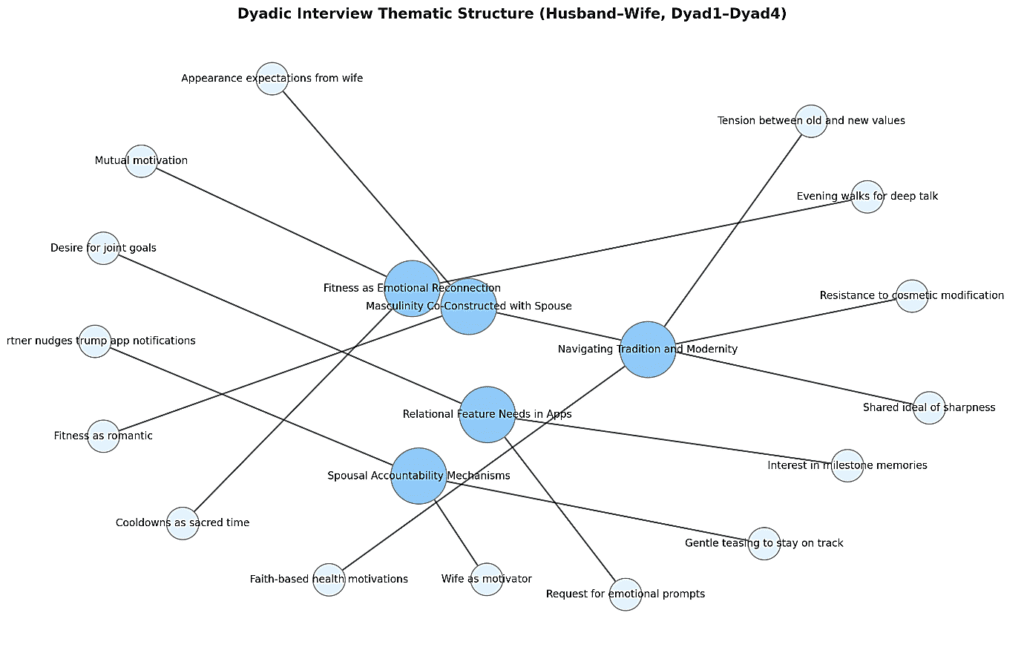
Figure 2: Structure of themes generated from the four dyads
- Shared fitness as a ritual of emotional reconnection
Consistently across all dyads, couples described their fitness activities, especially walking or light home workouts, as a conduit for emotional intimacy. Unlike the FGDs, where men mostly narrated the benefits in terms of admiration and appreciation, the dyadic interviews revealed a deeper, mutual affective engagement. Several couples referred to their walks or workouts as “our time,” “something we look forward to,” or “a space where we talk about us.”
Wendy noted, “I feel like we’ve reconnected in a simple way,” while Cyrus described evening cooldowns as times when “we celebrate milestones together.” This reveals that, beyond health outcomes, fitness activities facilitate rare moments of non-performative intimacy, especially in marriages that are otherwise consumed by parenting and professional demands.
- Fitness, masculinity, and appearance management
The FGDs suggested that Ghanaian men use mobile fitness apps partly as tools for performing modern masculinity, emphasising control, responsibility, and respect. The dyads reinforced this but also revealed how these masculine ideals were actively co-produced by their spouses.
Helena, for instance, said:
“I want him to look sharp and healthy. I always admired how he carried himself before marriage, and I didn’t want that to change.”
In contrast to the FGDs where male peers were central to performance validation, the dyads showed that wives’ expectations and affirmations were often the primary audience for male fitness efforts.
Interestingly, the interviews revealed a balancing act where women expressed a desire for husbands to be fit but not vain, wanting fitness to promote family cohesion rather than focus solely on appearance. Linda’s comment, “…as long as he comes home energised and happier, I support it,” reflects this relational framing.
- Spousal motivation, monitoring, and accountability
All four dyads reflected the dynamics of gentle spousal monitoring and motivational nudging. Fitness app reminders were described as useful, but it was the spouse’s reminders that created real accountability.
Paul described how his wife would say, “Charlie, today too you’re sleeping?” when he skipped a walk, while Helena noted how Bernard’s compliments, such as “…madam, you dey slim down oo,” built confidence. In one case (Kwasi and wife), the fitness activity was not jointly undertaken, but the wife’s verbal affirmations still influenced app adherence and routine.
These patterns indicate that mobile fitness apps are integrated into social encouragement systems that extend beyond their user interfaces. App use is relationally situated and reinforced through affirmational dialogue, teasing, or mutual check-ins.
- Gaps in app design: The call for relationally intelligent features
A significant finding across all dyads was the perceived lack of support for relational goals in current fitness apps. Participants across couples expressed the desire for shared dashboards, partner syncing, joint challenges, milestone reminders, and emotional check-in prompts.
For instance, Kwasi suggested a “Partner Sync” feature to track joint progress, while the Paul and his wife proposed a “Relationship Reflections” section where partners could share brief emotional notes. These suggestions are grounded in the actual gaps in apps like Runkeeper or Nike Run Club, which emphasise individual goals, competitive metrics, or solo training logs. Although Nike Run Club supports virtual running groups and voice-coached runs, it lacks embedded couple-oriented challenges, journaling, or emotion-sharing functionalities.
This disconnect between user needs and app capabilities was not framed as a complaint but as an opportunity. Couples did not request radically new features but extensions of existing tools, suggesting that mobile fitness apps could become more relationally relevant with minor modifications.
- Cultural and social influences: Between resistance and redefinition
The FGDs revealed tensions between modern fitness aspirations and traditional Ghanaian perceptions of body size and health. The dyadic interviews corroborated this but added nuance. Couples described navigating these tensions within their own relationships rather than in public.
While men acknowledged that “being fit makes people take you seriously,” their wives sometimes reinterpreted this culturally. The wife of Cyrus remarked, “…fitness can be romantic, spiritual, and emotional,” suggesting that the cultural script is shifting at the household level. Bernard spoke of resisting the pressure for body modification surgeries, saying, “We believe fitness is the better, safer way.” This affirms that mobile fitness practices, even if individually initiated, are often vehicles for collective redefinition of health, gender, and marital expectations.
- Integrating App Functionality with User Experience
Across the apps referenced (Nike Run Club, Runkeeper, 25K Runner, and Fitness) there are clear limitations in responding to the relational dynamics described by participants. For example:
- Nike Run Club offers robust running data and motivational coaching but lacks shared goal-setting tools or journaling.
- Runkeeper provides detailed tracking and challenges but does not include partner syncing or emotional feedback prompts.
- 25K Runner offers a structured plan but functions as a solo program with no social engagement layer.
- Apple Fitness, while visually rich, is largely individualistic and designed for closed-system Apple users.
Participants’ recommendations to include emotional check-ins, couple dashboards, and reflective feedback prompts align with contemporary design principles of digital intimacy, suggesting that fitness apps could extend their impact by integrating more social and affective dimensions.
Discussion of Findings
This study explored the use of mobile fitness applications by married Ghanaian men, with a specific focus on how their fitness behaviours affect or are shaped by their marital relationships. Through an interpretive, phenomenological approach using focus group discussions and dyadic interviews, this study provides empirical depth to an emerging area of inquiry that intersects personal fitness, mobile technology, and relational well-being in the Global South.
Motivation and the Moral Economy of Discipline
One of the clearest insights emerging from both the FGDs and dyadic interviews is that mobile fitness apps function not merely as self-tracking technologies, but as embedded tools in a broader moral economy of self-discipline, control, and relational duty. As the literature indicates (Teixeira et al., 2012; Ryan & Deci, 2020), intrinsic and extrinsic motivations are central to sustained exercise behaviours. In this study, motivations were rarely expressed in isolation. Rather, fitness was tied to notions of self-respect, being perceived as “sharp,” or fulfilling one’s obligation as a spouse and family figurehead. This resonates with the findings of Courtenay (2000) and Chalabaev et al. (2013) on how masculinity influences health behaviour, suggesting that mobile fitness use among Ghanaian men is as much an act of gender performance as it is a health-seeking behaviour.
The dyadic interviews expanded on this by showing that motivation often evolved in a relational context. Spouses were not passive observers of their partners’ fitness journeys but key motivators and emotional anchors. This supports recent elaborations on Self-Determination Theory (Ryan & Vansteenkiste, 2023), which posits that intrinsic motivation is often reinforced when basic psychological needs for relatedness and competence are met. In this study, affirmations from partners’ shared fitness milestones and joint reflections all served to anchor motivation in a relational context.
Mobile Fitness as Relational Infrastructure
Another striking finding was the role of fitness practices, especially those mediated through mobile apps, as a form of relational infrastructure. In both FGDs and dyads, participants described shared walks, post-workout conversations, and evening routines as emotionally significant. This echoes the claims of Thoits (2011) and Kok et al. (2013) that shared physical activity enhances perceived social support and emotional intimacy.
The dyads, more than the FGDs, provided rich insights into the intimacy-enhancing nature of these activities. Couples described walking together as a “bonding ritual,” reflecting findings by Yorgason et al. (2018) that conjoint exercise is associated with greater marital satisfaction. Yet, unlike some Western studies, the affective benefits described here were not necessarily about mutual goal achievement. Instead, it was the presence, rhythm, and conversational space that created meaning. These findings are especially salient in the Ghanaian context, where traditional gender roles might not typically encourage shared leisure time, especially of a physical nature (Addai et al., 2015; Dery & Akurugu, 2021).
Negotiated Masculinity
While prior studies often focus on peer influence and social status as primary motivators for men’s fitness behaviours (Vallerand, 2000; Courtenay, 2000), the dyadic interviews offered a notable shift in emphasis. Men described how their partners’ admiration or gentle criticism helped them sustain their routines. This aligns well with the Social Exchange Theory (Blau, 1964), which supports the position that investment in fitness generates returns in the form of emotional intimacy and admiration.
The findings also point to a negotiated masculinity. While women desired their husbands to be fit and “look sharp,” they also resisted overly appearance-driven motivations. Fitness was valued to the extent that it improved mood, household participation, and emotional availability. This mutual calibration of fitness meanings suggests that gender norms surrounding health are not simply imposed, but co-constructed within relationships, a view that supports recent arguments in masculinity studies (Yalley & Olutayo, 2020; Dery & Akurugu, 2021).
App Functionality and Design Gaps
Despite the increasing penetration of digital fitness platforms in Ghana, their current configurations appear misaligned with the collective, relational, and emotional needs of their users. Apps like Nike Run Club and Runkeeper, while rich in solo tracking and competition features, fall short in offering tools for shared planning, emotional reflection, or spousal engagement. Participants across FGDs and dyads repeatedly expressed a desire for relationally intelligent features: partner dashboards, milestone recognitions, joint challenges, and emotional check-in prompts.
These findings affirm arguments by Higgins (2016) and Wright (2017) that digital health platforms often cater to individualised Western users, thereby underperforming in communal cultures like Ghana. The concept of “digital intimacy” (White & Jha, 2023) becomes particularly relevant in this context. While apps facilitate physical accountability, they are not designed to harness the relational potential of shared health journeys. The gap between user needs and app design also underlines a broader critique raised in the literature about the cultural unresponsiveness of global health technologies (Fabbrizio et al., 2023; Liu et al., 2023).
The Ghanaian Cultural Frame: Between Resistance and Redefinition
Both FGDs and dyadic interviews revealed ongoing tensions between emerging health ideals and traditional cultural perceptions. Weight loss among men was still occasionally interpreted in rural settings as a sign of illness or financial decline, while urban circles increasingly valorised fitness as modern and aspirational. This confirms earlier observations by Cattell (2001) and Addai et al. (2015) about the complex interplay between place, perception, and health practice.
However, what this study adds is the documentation of how these tensions are navigated within marriages. Rather than external pressure alone, men’s commitment to fitness was often legitimised by their partners. In several instances, fitness was framed not as resistance to cultural norms, but as a redefinition of male responsibility, encompassing being available, emotionally present, and physically capable. This reflects the dynamic interweaving of traditional and emergent norms within Ghanaian marriages and aligns with SET and TPB, where subjective norms and relational expectations shape behavioural intentions (Ajzen, 1991; Chen & Slade, 2024).
Synthesis and Contribution
Taken together, the findings demonstrate that mobile fitness app use among Ghanaian men is best understood not as an individual health practice, but as a socially situated, emotionally loaded, and relationally co-produced behaviour. While existing literature establishes the health and marital benefits of exercise (Rauer & Hornbuckle, 2019; Thomas et al., 2022), this study contributes by showing that in the Ghanaian context, these outcomes are deeply mediated by spousal engagement, cultural scripts, and the technological limitations of fitness platforms.
Furthermore, the combination of focus groups and dyadic interviews enabled a rare comparative lens: FGDs captured aspirational and performative aspects of app use, while dyads revealed the intimate, often unspoken emotional negotiations that sustain or challenge those performances. This methodological layering strengthens the study’s ability to offer both breadth and depth, thus filling a critical empirical gap highlighted in the literature review.
Limitations of the Study
The study has several limitations that could be addressed in future research. First, it did not explicitly examine how structural factors such as socioeconomic status, digital literacy, or access to smartphones mediate the use and meaning of fitness app engagement, even though these factors may significantly shape digital health behaviours in emerging contexts. Second, while dyadic interviews provided valuable insight into relational dynamics, social desirability bias may have influenced how partners articulated their behaviours and perceptions, particularly in each other’s presence. Finally, the study did not include direct observation of app use or access to usage data, which could have strengthened the link between reported experiences and actual behaviours.
Author’s Profile:
Isac Gwumah
Universit of Ghana Business School

Isaac Gwumah is a PhD candidate in the Department of Marketing at the University of Ghana Business School, where his academic work focuses on brand strategy, consumer behaviour, and the adoption of digital technologies in emerging markets. He is also a Chartered Marketer (Chartered Institute of Marketing, Ghana) and Executive Director of the Bureau of Market & Social Research in Ghana.
References
Aboagye, E., Opoku, I. O., Marcourt, S. R., & Tano, K. J. (2024). Using Emerging Technologies to Promote Physical Activity: The Perspective of University Students in Ghana. Journal of Science and Technology (Ghana), 1(1), 94-111.
Addai, I., Opoku-Agyeman, C., & Amanfu, S. K. (2015). Marriage and subjective well-being in Ghana. African Review of Economics and Finance, 7(1), 53-79.
Ajzen, I. (1991). The Theory of planned behaviour. Organizational Behaviour and Human Decision Processes.
Blau, P. M. (1964). Justice in social exchange. Sociological inquiry, 34(2).
Bottomley, J. N. (2019). Leading competitor masters athletes: identities and the road to success (Doctoral dissertation).
Cattell, V. (2001). Poor people, poor places, and poor health: the mediating role of social networks and social capital. Social science & medicine, 52(10), 1501-1516.
Chalabaev, A., Sarrazin, P., Fontayne, P., Boiché, J., & Clément-Guillotin, C. (2013). The influence of sex stereotypes and gender roles on participation and performance in sport and exercise: Review and future directions. Psychology of sport and exercise, 14(2), 136-144.
Chen, X.X.& Slade, E. (2024). Theory of Planned Behaviour: A review. In S. Papagiannidis (Ed), TheoryHub Book. Available at https://open.ncl.ac.uk / ISBN: 9781739604400
Cherry, K. (2020). Understanding social exchange theory in psychology. Verywell Mind.
Courtenay, W. H. (2000). Constructions of masculinity and their influence on men’s well-being: a theory of gender and health. Social science & medicine, 50(10), 1385-1401.
Dery, I., & Akurugu, C. A. (2021). “‘Real Men’ Support Their Wives”: Reconstructing Masculinity Among Men in Rural Northwestern Ghana. Hypatia, 36(1), 172–190. doi:10.1017/hyp.2020.46
Fabbrizio, A., Fucarino, A., Cantoia, M., De Giorgio, A., Garrido, N. D., Iuliano, E., … & Macaluso, F. (2023). Smart devices for health and wellness applied to tele-exercise: an overview of new trends and technologies such as IoT and AI. In Healthcare (Vol. 11, No. 12, p. 1805). MDPI.
GSMA. (2022). The state of mobile internet connectivity report 2022. GSMA Intelligence.
https://www.gsma.com/r/wp-content/uploads/2022/09/The-State-of-Mobile-Internet-Connectivity-Report-2022.pdf
Gulati, A. K., Lobo, R. E., Nihala, N., Bhat, V., Bora, N., Vaishali, K., & Sinha, M. K. (2024). Young Adults Journey with Digital Fitness Tools-A Qualitative Study on Use of Fitness Tracking Device. F1000Research, 13, 1296.
Higgins, J. P. (2016). Smartphone applications for patients’ health and fitness. The American journal of medicine, 129(1), 11-19.
Iwon, K., Skibinska, J., Jasielska, D., & Kalwarczyk, S. (2021). Elevating subjective well-being through physical exercises: an intervention study. Frontiers in psychology, 12, 702678.
Janzen, W., & Cousins, S. O. B. (1995). ” I Do” or Don’t: Marriage, Women, and Physical Activity Throughout the Lifespan. Journal of Women & Aging, 7(1-2), 55-70.
Kok, B. E., Coffey, K. A., Cohn, M. A., Catalino, L. I., Vacharkulksemsuk, T., Algoe, S. B., … & Fredrickson, B. L. (2013). How positive emotions build physical health: Perceived positive social connections account for the upward spiral between positive emotions and vagal tone. Psychological science, 24(7), 1123-1132.
Liu, Y., Zhang, H., & Xu, R. (2023). The impact of technology on promoting physical activities and mental health: a gender-based study. BMC psychology, 11(1), 298.
Madison, J. K. (2024). A Conjoint Fitness Program Proposal to Enhance Satisfaction in Romantic Relationships (Doctoral dissertation, The Chicago School of Professional Psychology).
Mailey, E. L., Huberty, J., Dinkel, D., & McAuley, E. (2014). Physical activity barriers and facilitators among working mothers and fathers. BMC public Health, 14, 1-9.
Marttinen, R. H. J. (2015). Effect of the fitness integrated with technology (FIT) unit on student attitudes and physical activity levels in physical education (Doctoral dissertation, Teachers College, Columbia University).
McAnally, K., & Hagger, M. S. (2024). Self-Determination Theory and Workplace Outcomes: A Conceptual Review and Future Research Directions. Behavioural Sciences, 14(6), 428.
National Communications Authority (NCA). (2023). Quarterly statistical bulletin (Q4 2023).
Accra, Ghana: National Communications Authority. https://www.nca.org.gh/wp-content/uploads/2023/03/NCA-Quarterly-Statistical-Bulletin-Q4-2023.pdf
Neubauer, B. E., Witkop, C. T., & Varpio, L. (2019). How phenomenology can help us learn from the experiences of others. Perspectives on medical education, 8, 90-97.
Ortega, F. B., Brown, W. J., Lee, D. C., Baruth, M., Sui, X., & Blair, S. N. (2011). In fitness and health? A prospective study of changes in marital status and fitness in men and women. American journal of epidemiology, 173(3), 337-344.
Ospina, J. H. (2023). What Motivates Healthcare Workers? Using Latent Profile Analysis to Understand Healthcare Workers’ Motives and Their Relationships with Work Outcomes (Doctoral dissertation, Colorado State University).
Pervin, N., & Mokhtar, M. (2022). The interpretivist research paradigm: A subjective notion of a social context. International Journal of Academic Research in Progressive Education and Development, 11(2), 419-428.
Pettee, K. K., Brach, J. S., Kriska, A. M., Boudreau, R., Richardson, C. R., Colbert, L. H., … & Newman, A. B. (2006). Influence of marital status on physical activity levels among older adults. Medicine and science in sports and exercise, 38(3), 541-546.
Rauer, A., & Hornbuckle, L. M. (2019). If he is in shape, so is the marriage: perceptions of physical fitness and exercise and older couples’ marital functioning. Journal of Aging and Physical Activity, 27(4), 503-509.
Robles, T. F., Slatcher, R. B., Trombello, J. M., & McGinn, M. M. (2014). Marital quality and health: a meta-analytic review. Psychological bulletin, 140(1), 140.
Ryan, R. M., & Deci, E. L. (2020). Intrinsic and extrinsic motivation from a self-determination theory perspective: Definitions, theory, practices, and future directions. Contemporary educational psychology, 61, 101860.
Ryan, R. M., & Vansteenkiste, M. (2023). Self-determination theory. In The Oxford Handbook of Self-Determination Theory (pp. 3-30). Oxford University Press.
Teixeira, P. J., Carraça, E. V., Markland, D., Silva, M. N., & Ryan, R. M. (2012). Exercise, physical activity, and self-determination theory: a systematic review. International journal of behavioral nutrition and physical activity, 9, 1-30.
Tetteh, A. M. (2023). Relational dynamics of the married: Expectations before and realities during marriage (Doctoral dissertation, University of Cape Coast).
Thoits, P. A. (2011). Mechanisms linking social ties and support to physical and mental health. Journal of health and social behaviour, 52(2), 145-161.
Thomas, P. A., Richards, E. A., & Forster, A. K. (2022). Is marital quality related to physical activity across the life course for men and women? Journal of Aging and Health, 34(6-8), 973-983.
Thompson, S. R. (2014). The essential guide to public health and health promotion. Routledge.
Vallerand, R. J. (2000). Deci and Ryan’s self-determination theory: A view from the hierarchical model of intrinsic and extrinsic motivation. Psychological inquiry, 11(4), 312-318.
Virk, R., Corner, A. J., Combs, J. G., & Jaskiewicz, P. (2024). Social exchanges in family businesses: A review and future research agenda. Family Business Review, 37(3), 320-346.
White, S. C., & Jha, S. (2023). Exploring the relational in relational wellbeing. Social Sciences, 12(11), 600.
Wright, S. P., Brown, T. S. H., Collier, S. R., & Sandberg, K. (2017). How consumer physical activity monitors could transform human physiology research. American Journal of Physiology-Regulatory, Integrative and Comparative Physiology.
Yalley, A. A., & Olutayo, M. S. (2020). Gender, masculinity and policing: An analysis of the implications of police masculinised culture on policing domestic violence in southern Ghana and Lagos, Nigeria. Social Sciences & Humanities Open, 2(1), 100077.
Yorgason, J. B., Johnson, L. N., Hill, M. S., & Selland, B. (2018). Marital benefits of daily individual and conjoint exercise among older couples. Family Relations, 67(2), 227-239.