A brand that once needed no explanation has suddenly found itself speaking to an audience that demands one.
For nearly four decades, the simple power of “Just Do It” made Nike more than a brand; it became a movement. The line turned hesitation into energy, effort into pride, and action into identity. It pushed people to move, to try, to achieve. But what once felt universal now meets a generation that questions everything before taking a step.
That hesitation came with a real cost. Nike, Inc. reported fiscal 2025 revenues of about $46.3 billion, a roughly 10% year-over-year decline. The fourth quarter showed a 12% drop in sales compared to the previous year. Behind those numbers were clear signals – lower store footfall, fewer app downloads, and a growing caution among younger consumers when it came to spending.
It wasn’t just a business issue – it was a cultural one. The call to “Just Do It” no longer resonated in the same way with a generation that is constantly watched, compared, and judged online.
Nike’s challenge was clear: how to re-ignite an icon without alienating the people who built its legacy, and how to make a decades-old slogan meaningful to an audience shaped by anxiety and perfectionism.
The creative brief that followed asked for something delicate—a way to preserve Nike’s heritage while showing empathy for a generation that no longer sees doing as simple.
Insight: Gen Z’s relationship with action is conditioned by meaning and risk
Research showed that for Gen Z, taking action isn’t as simple as it used to be. This generation doesn’t move without knowing why it matters. Their sense of achievement is tied up with visibility and validation and the fear of getting it wrong in public.
Social media has built a world where success is curated and failure is punished. Every post, every attempt, every step can be judged. As a result, many young people have become hesitant to even start.
Unlike earlier generations that celebrated effort and resilience, Gen Z needs context. They don’t just buy products, they buy into philosophies. They choose brands that reflect their inner thoughts, not ones that talk over them. Having grown up surrounded by slogans and highlight reels, they’ve learned to question them.
The key insight was simple but powerful: before asking someone to act, a brand must acknowledge their hesitation. Today’s consumers don’t respond to blind motivation; they respond to understanding.
So, Nike rethought its approach. Instead of shouting “Just Do It,” the brand decided to ask the question that Gen Z keeps asking themselves: “Why Do It?”
The new phrasing didn’t weaken the message it gave it depth. It respected doubt and turned it into dialogue. It inserted a pause where hesitation naturally exists.
On September 4, 2025, Nike launched its new campaign, created by Wieden+Kennedy Portland and voiced by Tyler, the Creator. It didn’t replace “Just Do It.” It reframed it, keeping the same fire but delivering it through empathy rather than authority.
Two principles guided this move:
First, cultural icons survive through reinterpretation, not repetition. Second, in a time when consumers expect brands to be emotionally aware, trust becomes the new loyalty. Nike had to prove it understood the emotional reality of its audience, the fear, doubt, and pressure that shape their choices.
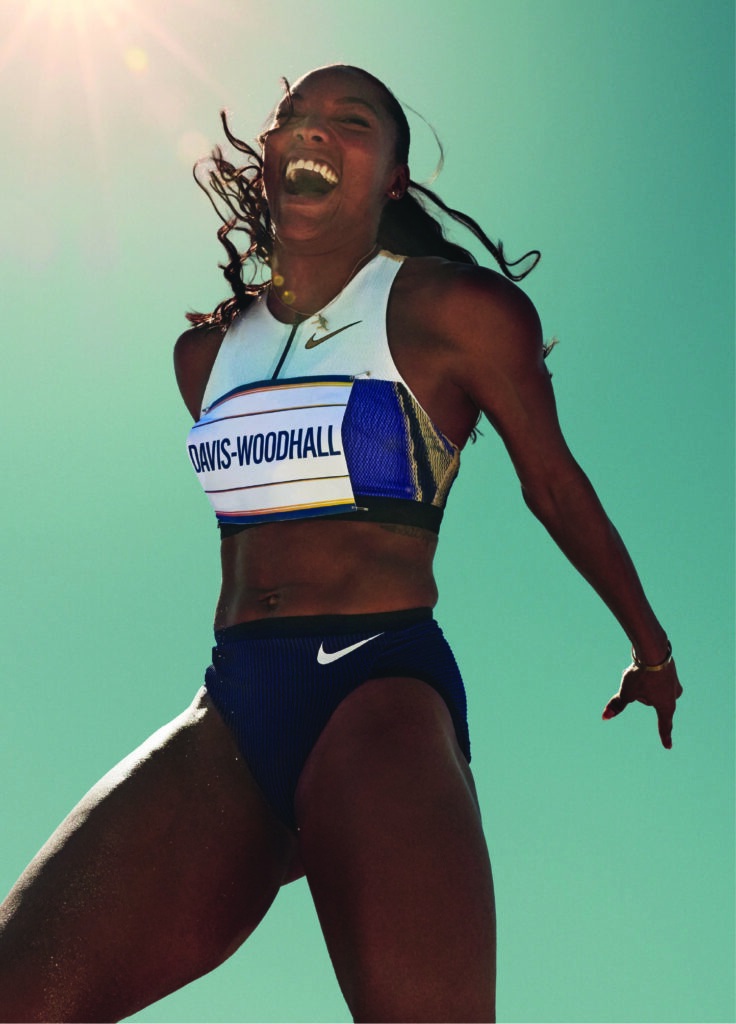 Solution: “Why Do It?” an activation that honours doubt and redeems action
The campaign took the form of a 60-second cinematic film titled “Why Do It?” It opened not with power, but with pause.
“Why make it harder on yourself? Why chance it? Why put it on the line?”
These questions, voiced by Tyler, the Creator, cut through scenes of sweat, silence, and struggle. The tone was personal, not preachy, making the hesitation feel real.
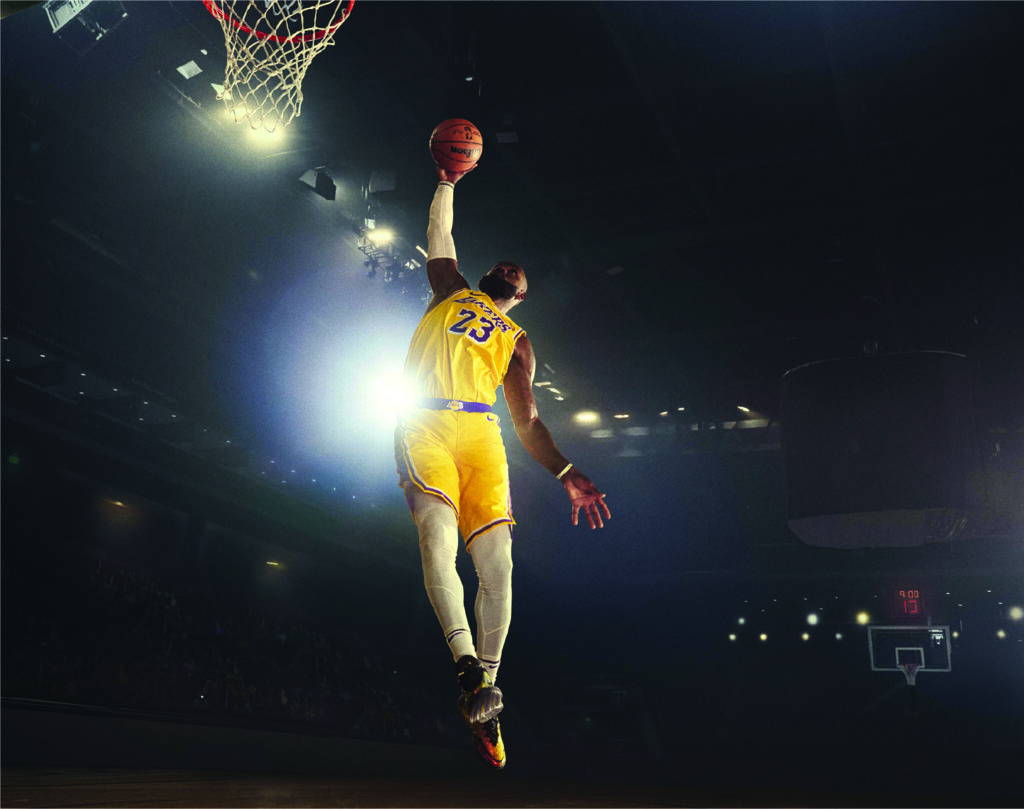
Then, almost quietly, movement began. A runner started running. A skater leaped. The music rose. The answer never spoken was clear: because doing is the only way forward.
Finally, the classic line appeared again: “Just Do It.”
This time, it didn’t feel like a command. It felt like something earned. The emotional shift from doubt to motion made the old line feel new again.
The casting choices reflected inclusivity and authenticity. Local and global athletes appeared alongside non-professionals, showing that effort belongs to everyone, not just the elite. Tyler, the Creator’s voice brought the perfect tone, part ironic, part sincere, mirroring the way Gen Z expresses itself.
The media plan followed Gen Z’s habits: short attention spans, multiple platforms, and authenticity over polish.
- The hero film ran during live sports and major streaming events.
- Shorter edits were designed for TikTok, Instagram, and YouTube.
- Athletes and creators shared it through their own channels, keeping the message organic.
- Out-of-home spots appeared near universities, music festivals, and city centers, making the idea visible in daily life.
The campaign wasn’t meant to be a single ad; it was designed to become a cultural echo, showing up where conversations already happened.
The metrics reflected this mindset. Success wasn’t about immediate sales, but about rebuilding emotional connection. Nike tracked indicators like brand warmth, consideration, and affinity among 16-26-year-olds signals that measure long-term trust rather than short-term transactions.
Early reception: mixed signals, but strategically coherent
The response was immediate and diverse.
Many praised the move as a “smart evolution,” saying Nike had managed to stay true to itself while adapting to a changing world. Younger audiences called it “real,” “relatable,” and “vulnerable,” three words rarely associated with Nike before.
Traditionalists, however, weren’t convinced. To them, the shift felt like a dilution of a winning formula. Some critics said it was risky to make such a philosophical move during a time when sales were already struggling.
But strategically, the reasoning stood strong. The campaign didn’t reject “Just Do It”, it deepened it. “Why Do It?” wasn’t an alternative; it was a prelude. It acknowledged that hesitation is part of every beginning.
The authenticity of the athlete lineup kept it grounded in Nike’s DNA, preventing the campaign from feeling like corporate overthinking.
Early data supported the buzz:
- Organic mentions rose sharply within 48 hours of launch.
- The #WhyDoIt hashtag crossed 40 million views on TikTok in its first week.
- Earned media sentiment was about 68% positive, with strong engagement despite debate.
The campaign achieved what every great idea should: it sparked conversation, challenged assumptions, and reasserted Nike’s right to lead that conversation.
What does the change signal for brand philosophy and for marketers?
The shift from “Just Do It” to “Why Do It?” goes far beyond words. It signals a change in how Nike sees its role.
For decades, the brand spoke like a confident, loud, and certain coach. Now, it speaks like a companion one that recognizes hesitation before offering encouragement. It’s a transformation from commanding to understanding.
This small but powerful change reflects a larger truth: today’s consumers don’t want to be told what to do; they want to be understood.
In the new landscape, sport isn’t just about performance. It’s about identity, purpose, and emotion. By acknowledging that, Nike redefined motivation as something shared, not imposed.
For marketers, this campaign offers clear lessons:
- Timeless assets can stretch without snapping.
Heritage slogans aren’t museum pieces. They can evolve as long as the meaning remains honest. Nike proved that asking the right question can make a familiar line feel brand new. - Empathy comes before persuasion.
In a culture full of noise, the brand that listens first earns attention. Nike didn’t tell its audience to move; it showed it understood why they sometimes couldn’t. - Creative courage needs strategic patience.
The real impact of this campaign won’t show up in next quarter’s sales. It’ll appear in trust, loyalty, and preference values that compound over time. - Omnichannel storytelling is essential.
Today, a single hero film isn’t enough. Campaigns must live as moments, snippets, and remixes across platforms, meeting audiences where they already are.
A Considered Gamble
Brands aren’t remembered for how long they cling to the past; they’re remembered for how well they interpret it.
Nike’s “Why Do It?” wasn’t a rebrand. It was a reflection, a moment of honesty that met a generation where they stood: anxious, ambitious, and waiting for a reason to begin.
In a time of declining revenues and cultural noise, Nike chose to listen instead of shout. It traded the simplicity of motivation for the complexity of understanding.
If the goal was to reconnect with a generation that asks “why” before they “do,” then this campaign hit the right emotional tone. It brought empathy into motivation and made hesitation part of the story, not a flaw in it.
Critics will debate its boldness, but the strategic coherence is undeniable. Nike reminded the world that it’s not just a brand that sells sportswear, it’s a brand that shapes meaning.
Because in a culture obsessed with perfection, “Why Do It?” is the most human reminder of all:
Doing imperfect, uncertain, and real is still the only answer that matters.
Author: Mohaimenul Solaiman Nicholas