We’ve been conditioned to believe that stress is public health enemy number one. The wellness industry has built a billion-dollar empire around the promise of stress-free living, complete with meditation apps, stress-management seminars, and endless advice about drawing boundaries. But what if everything we’ve been taught about stress is incomplete? What if certain types of stress are not just beneficial but essential for optimal health, longevity, and peak performance? A health revolution named Hormesis is turning our understanding of stress upside down and revealing why some stress might be precisely what our body needs to become its strongest, most resilient self. It may be high time we realise that in our comfort-obsessed culture, we may have swung too far toward avoiding the very challenges that make us stronger.
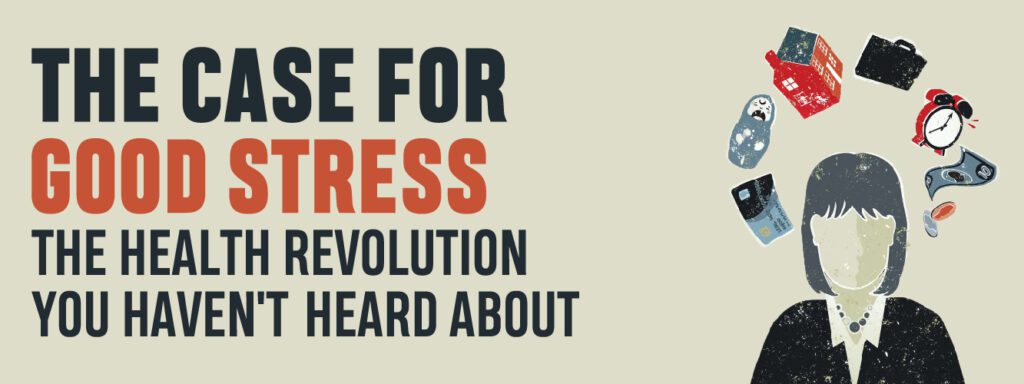
Stress isn’t a monolithic force. There are actually three distinct types of stress that affect our bodies in dramatically different ways. Acute stress is the short-lived, protective response we experience when stepping into a busy street or facing an immediate challenge. This stress quickly fades, allowing our bodies to recover and often leaving us stronger than before. It is sort of our body’s emergency response system. Sharp, focused, and temporary. Then there’s chronic stress, which represents the dark side of our stress response. This is the prolonged, unrelenting pressure from toxic work environments, financial hardship, complex relationships, or long-term health conditions. Chronic stress wreaks havoc on our bodies because it never allows for recovery. The game-changer is eustress, or “good stress”. It is the positive stress that enhances performance, motivation, and personal growth. It’s the butterfly-inducing excitement of a first date, the focused energy before an important presentation, or the challenge of learning a new skill. Good stress provides our lives with meaning and momentum.
The key difference between these types of stress lies not just in their duration and intensity but in our perception of control and the opportunity for recovery they provide. When we feel equipped to handle a challenge and can see a clear end point, stress becomes a powerful ally. When we feel overwhelmed and trapped in an endless cycle, stress becomes toxic. Stress often fundamentally changes our biology in ways that can either harm or heal us.

Chronic stress leaves lasting damage, impairing our cellular machinery and leading to fatigue, brain fog, digestive issues, mood imbalances, and pain that have become epidemic in modern society. Over time, this cellular damage contributes to diabetes, heart disease, dementia, depression, and cancer. But hormetic stressors, those intermittent, acute bursts of beneficial stress, activate a highly conserved set of genes called ‘vitagenes’, short for ‘vitality genes’. These genes carry the code that heals, repairs, and regenerates our bodies at the cellular level. When activated by good stress, vitagenes ramp up our antioxidant capacity, regulate inflammation, repair damaged DNA and proteins, and increase the energy-producing mitochondria that literally power our lives.
This process, known as “hormesis” (from the Greek “to excite”), doesn’t just restore us to our previous state, but it makes us stronger and more resilient than before. It’s like the biological equivalent of what doesn’t kill you makes you stronger.
The beauty of hormetic stress is that we don’t need extreme measures to harness its benefits. Small, strategic challenges can trigger profound cellular improvements. Taking nutrition, for example. When plants face stress in their environment, they produce phytochemicals that, when we consume them, activate our good stress defences. Resveratrol in grapes and dark chocolate turns on sirtuins, master regulators of new mitochondria creation. Sulforaphane in broccoli sprouts and kale activates detoxification enzymes that fight oxidative stress. The more vibrant the colour and flavour, the richer the stress-enhancing benefits. Intermittent fasting represents another accessible form of hormetic stress. Extending an overnight fast beyond twelve hours triggers Autophagy, which is our body’s method of cleaning up damaged cells and recycling their components. This perceived stress from nutrient deprivation sends powerful signals that upgrade our cellular machinery, essentially giving our body a tune-up from the inside out. High-intensity interval training (HIIT) workouts that alternate between intense effort and rest rapidly deplete energy stores, sending stress signals that power up mitochondria production. Temperature therapy offers perhaps the most accessible entry point into hormetic stress. Cold exposure, even just a 30-second blast at the end of your shower, taps into ancient stress-response pathways that increase motivation, mood, and metabolism. Heat exposure through saunas or hot baths triggers heat shock proteins that repair damaged proteins and enhance cellular resilience. Perhaps most remarkably, cognitive and emotional challenges in the “Goldilocks zone”, not too easy, not too hard, stimulate brain-derived neurotrophic factor (BDNF), which builds new neural connections and strengthens existing ones through neuroplasticity. Learning a new language, tackling a challenging puzzle, or stepping outside our comfort zone socially all trigger this beneficial brain growth. The most remarkable aspect of hormetic stress is cross-adaptation, the phenomenon where stress from any beneficial stressor builds resilience against others. When we challenge our body with cold exposure or intense exercise, we’re not just building physical resilience; we’re also strengthening our emotional and cognitive resilience. This is quintessential mind-body medicine in action. If we train our bodies to handle stress, our brains become more adaptable.
The empowering reality is that we have more control over our stress experience than we might think. Even when facing genuinely difficult circumstances, we can often reframe our relationship with stress. The key is learning to see potential benefits in challenging situations. While they may not align with our expectations, difficult circumstances often provide unexpected growth opportunities. Stress also allows us to step into leadership roles and utilise our resourcefulness under pressure. It often reveals that we can accomplish more with what’s at hand than we initially thought. Connecting with others facing similar challenges creates some of the strongest bonds and most creative collaborations. Using stress as an opportunity to learn something new often results in surprising ourselves with capabilities we didn’t know we possessed.
Our modern world has been optimised for comfort in ways our ancestors never could have imagined. We have climate control, abundant food, minimal physical demands, and countless conveniences. While these advances have obvious benefits, they’ve also created an unexpected problem: we’re missing out on the hormetic stress that our bodies need to function optimally. Our Paleolithic genes aren’t just poorly suited to cope with processed food and sedentary lifestyles; they’re also not designed to handle a complete lack of beneficial stress. This absence of hormetic stress has become a stealthy risk factor that’s widely overlooked in our comfort-optimised world. We’ve become so focused on eliminating all forms of stress that we’re missing out on the challenges that could make us stronger, more resilient, and ultimately healthier.
We need to learn the difference between being “stressed” and being “stressed out”. We need to distinguish between the chronic, uncontrolled stress that harms us and the intermittent, manageable challenges that make us stronger. This shift in perspective may be the most transformative and accessible self-help tool available today. Instead of seeking a stress-free life, we can pursue a life rich with the right kinds of stress, challenges that push us to grow, adapt, and become more resilient versions of ourselves. This doesn’t mean seeking out unnecessary hardship or glorifying suffering. It means intentionally incorporating beneficial stressors that challenge us in controlled, recoverable ways.
The science is precisely saying that stress is inevitable, but it’s not uncontrollable. By understanding the difference between good stress and bad stress and by intentionally incorporating beneficial stressors into our lives, we can harness the power of stress.
Author: Anika Tasnim