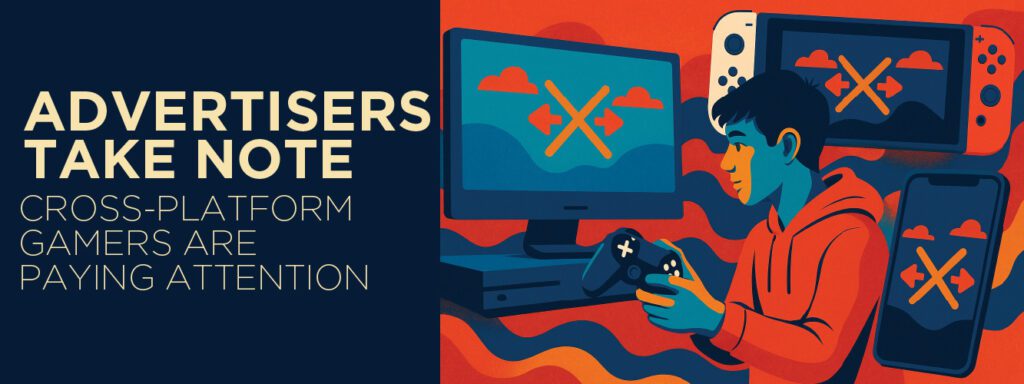
Games have traditionally been segmented by platform, distinguishing players by PC, console, or mobile. Even a decade ago, it was extremely hard to find a multiplayer game that could be played on cross-platforms. This lack of cross-platform games made it difficult to play with friends and reduced the network effects from multiplayer games. As cross-platform gaming is becoming the new standard, multiplayer games are growing more rapidly than previous generations.
Games like Phoenix Lab’s Dauntless, for instance, saw a 4x increase in its player base in the first three weeks when it launched PC/console cross-play. Popular battle royale game Fortnite’s 650 million player base is largely due to its global presence across all platforms. Before Fortnite, Sony had a stringent perspective that if you wanted to play with your friends, you should tell them to get a PlayStation. But after the collaboration between Microsoft and Nintendo, this dynamic changed completely. Up until Fortnite launched, if you had an Xbox, you could not play with your friends who had a PlayStation or a Nintendo Switch. Microsoft and Nintendo literally went to war against Sony to make cross-platform gaming the next big thing.
From the gamer’s perspective, it is as good as it gets. Gamers do not have to worry about what device/platform they are playing on; they can just shift and play. Players all around the world can play together, find new friends, and connect with one another. This helps build a community much more easily. If we talk about the game developers, it is beneficial for them as well. It is great for developers because, instead of having their user base segmented across different platforms, now they have access to a large pool of players under one system. A large pool of players can help build larger multiplayer sessions that will lead to richer multiplayer experiences for the gamers.
The concept of cross-play came into existence in the early 2000s. Back then, some of the Dreamcast games allowed players to team up online from anywhere and on any other platform, such as PCs or other consoles. However, there existed some limitations in these early attempts due to the closed network nature of most consoles.
The modern-day cross-play culture began with the introduction of seventh-generation consoles (PlayStation 3, Nintendo Wii, Xbox 360). These consoles were designed with special game mechanics and heavy online capabilities built in. This massive game development paved the way for a global adoption of the cross-play culture.
The Shift Towards Cross-Platform Development
The ultimate turning point for cross-play came in the mid-2010s with the swift emergence of games like Minecraft and Fortnite. These games were highly focused on online social interaction with other players. So, the developers demonstrated the vast potential of cross-play technology in the expansion of their games’ player bases.
Cross-platform gaming is not a novelty anymore. Traditional game publishers, who historically went after niche markets, like 2D and 3D game development on specific platforms, are also opting for cross-play technologies. Popular game engines, like Unity and Unreal, now offer extremely powerful game development tools. These tools are making it easier for publishers to reach a broader audience. Hence, the shift towards cross-play has become an inevitable part of the game development industry.
Advertising to the Cross-Platform Players
According to research by Activision Blizzard Media, about 73% of weekly players engage with games across two platforms, and the average player goes for three. Weekly video game players are more likely to notice the same brand’s ads appearing across different platforms. The research says that a multi-platform approach is more effective for them because they (weekly players) notice 25% more than the general audience. They are also likely to make the purchase after seeing the advertisement multiple times.
For instance, an advertiser that targets launching an impactful branding campaign to take advantage of a console’s lucrative visuals can fortify the message with short ads across different platforms. Interactive advertisements on mobile games or sponsorship collaboration with the developers for desktop-focused gamers are proven to be effective strategies.
Timing of Advertisements
Research shows that 78% of the weekly players engage with video games during two dayparts, while the average player does three. For the mobile gamers, mornings call for quick rewarded videos or playable ads as they are commuting or engaged in other activities. Although the day starts with mobile as the primary platform, by evening it shifts to longer sessions on consoles or PCs.
The ideal time to show cinematic, impactful ads is during the shift to larger platforms like consoles or PCs. The session durations increase from shorter gameplay on mobile to lengthy late-night sessions on consoles and PCs. This gives the advertisers the opportunity to showcase their immersive storytelling skills.
The Daily Mobile Gamers: Advertising Goldmine
Activision Blizzard Media claims that 77% of weekly gamers play on mobile, and about 68% play on a daily basis. It is evident that the frequency is much higher than that of a PC/console gamer. Weekly mobile gamers closely resemble the general population in terms of their demographics. Although mobile is the most popular daytime platform, users don’t stop using it at night; 65% of weekly mobile gamers play while watching shows or during commercials.
Mobile allows advertisers to connect with a large and diverse pool of audience throughout the day using short-form content. And given the nature of mobile gamers’ interests, formats like rewarded videos or playable ads are especially effective for engaging them in the setting.
Gaming Audience and Their Attention
The weekly gamers are paying 23% more attention to ads compared with the general audience. Players want a degree of ownership regarding the advertisements in the game, just as they seek control within their game. Since players are usually in a jolly mood while gaming, ads that blend naturally with the game’s atmosphere are more likely to earn their attention—and potentially influence their decisions.
Gaming is more than just entertainment—it’s a lifestyle. The gaming culture is vibrant, and its cross-platform ecosystem allows players to switch effortlessly across multiple devices throughout the day. This quick mobility surely comes with a handful of opportunities for the brands that want to flourish.
The best brand strategies will come from understanding the players’ habits and delivering experiences accordingly. Brand strategies must reach the players at the right time, on the right device, and in a way that complements their gaming experience.