Luxury has always been about being conspicuous. However, today, that has less to do with finding some rare fabrics or something that is difficult to find. It is all about recognition. The affluent desire experiences that are unique to them.
The data backs it up. More than half of luxury buyers, 56 percent, say they are dissatisfied with the service they receive. Nearly eight in ten expect continuity between online and offline channels. The old boundaries between boutique and website have blurred. Clients now expect their preferences to follow them seamlessly, whether they are browsing from a phone in Dhaka or stepping into a Paris flagship.The answer luxury brands are reaching for is artificial intelligence.

Rising Demands, Slowing Growth
The luxury sector faces an uncomfortable paradox. Growth is slowing to just one to three percent annually through 2027, yet expectations are accelerating. The mismatch is stark.
Clients compare every interaction to the services they use daily, such as streaming platforms, ride-hailing apps, and food delivery. If Spotify knows what they want to listen to before they do, why shouldn’t a luxury house anticipate which bag or jacket they will want next season?
Companies that have leaned into AI-driven personalisation are seeing results. Some report revenue lifts of up to 40 percent from these initiatives. Recent Deloitte data underscores the scale of the opportunity. Luxury companies investing in advanced analytics and AI report client retention rates climbing by 25 percent, while average order values increase by nearly 15 percent. Bain & Company analysis adds that over half of millennial and Gen Z luxury consumers rank personalisation among their top three purchase drivers, compared with just 28 percent a decade ago.
These numbers show why personalisation has shifted from a service enhancement to a financial imperative. In a flat-growth market, the brands that harness AI effectively stand to capture a disproportionate share. Predictive recommendations reduce browsing fatigue. Virtual try-ons cut costly returns. Digital assistants extend the boutique experience far beyond opening hours.
The message is simple: personalisation is no longer optional. It is a commercial necessity.
Opportunity and Controversy
AI’s power is clear as day. It has the ability to predict desire, generate spot-on recommendations, and even produce content that appears custom-made. But that too is a source of hard questions.
The concept of high-quality, hand-made goods with a human touch has always been a cornerstone of luxury. The arrival of algorithms in design and recommendation raises uncomfortable questions. Can a formula capture the artistry that defines exclusivity? Clients are equally alert to the risks around their data. A breach, or an algorithm that quietly discriminates, would cut straight to the heart of trust. For brands, transparency is no longer optional. Clear consent and careful limits are essential. Used with discipline, AI can extend the human touch; used carelessly, it risks erasing it.
Global Momentum
Digital sales have continued to climb. Nearly four in ten luxury purchases now take place online. The dividing line between digital and physical is dissolving. Clients want their browsing history, boutique conversations, and after-sales service to connect into a single journey.
Fashion, hospitality, and automotive sectors are showing the way. Generative AI can create personalised lookbooks or invitations. Predictive tools keep the right items in stock. Virtual assistants remember birthdays, preferred communication channels, and service quirks.
The shift is clear: the product matters, but the experience matters more. Owning an item is less important than feeling recognised. A recent McKinsey survey illustrates the trend. Nearly 70 percent of luxury clients say they would switch brands if offered a more personalised experience, while companies using AI to support omnichannel journeys have seen conversion rates improve by up to 30 percent. In Asia, where online luxury adoption is fastest, personalisation now accounts for an estimated $40 billion in annual sales. The pattern is consistent across markets: clients reward brands that anticipate needs and punish those that lag. Recognition, once a pleasant surprise, has become the expectation.
Exclusivity has become psychological rather than material.
Local Heritage Meets Global Tech in Bangladesh
Bangladesh provides a fascinating case study. Long known for its textile industry, the country is now experimenting with AI in retail and design. Local firms are developing recommendation engines and computer vision systems to improve personalisation in fashion.
Retailers suggest that these tools could increase sales by up to 20 percent. Beyond numbers, they are beginning to blend global fashion cues with local cultural references. A dress might be recommended not just because it matches a client’s size but because it connects to a festival or tradition.
For an emerging affluent class in Dhaka and Chattogram, this is a powerful draw. It signals status while respecting identity. But it also raises familiar tensions. Hand-workers fear that the fine old design jobs could be swallowed up. The compromise between staying efficient and preserving the art will determine whether Bangladesh becomes an AI-powered culture and luxury hotspot, or whether the country will lose the unique heritage that makes it stand out.

Beyond Fashion
Personalisation goes way beyond clothes. Within real estate, AI agents are becoming more adept at identifying locations not only based on price but also lifestyle — such as commuting short distances, artistic communities, or proximity to international schools. Some companies are also testing systems in hotels whereby you set your pillow preference or how you like your meals, and wherever you are, you feel like you are at home.
It is being tested by banks and finance companies as well. Wealthy individuals owning online currency desire secure, hassle-free means to integrate payments into their lives. AI will eliminate the clutter, binding blockchain transactions to personalised deals and services.
These examples share a theme: AI that remembers — not just what clients buy, but how they live. Which channel do they prefer? Whether they want detail or brevity. That memory, when applied carefully, can make a brand feel more human, not less.

The Psychology of Recognition
Why does personalisation matter so much? The answer lies in psychology.
Research shows that unique experiences release dopamine, which provides that exclusive, luxurious feeling. That emotional enhancement is important in luxury, where consuming items is less about utility than about identity.
It feels like a one-year-old birthday note that extends past the date and syncs with what the client has been into of late. A suggestion that honours cultural delicacy shows that you understand them. The reason those little extras are creating loyalty is that they strike the emotional component, not the budget component.
But the study also reports that there is a limit. Excess individualisation is obtrusive. Clients will feel spied upon, and this will not work to their advantage. Clarity, opt-outs, and a human touch are every bit as important as personalisation.
Guardrails for AI in Luxury
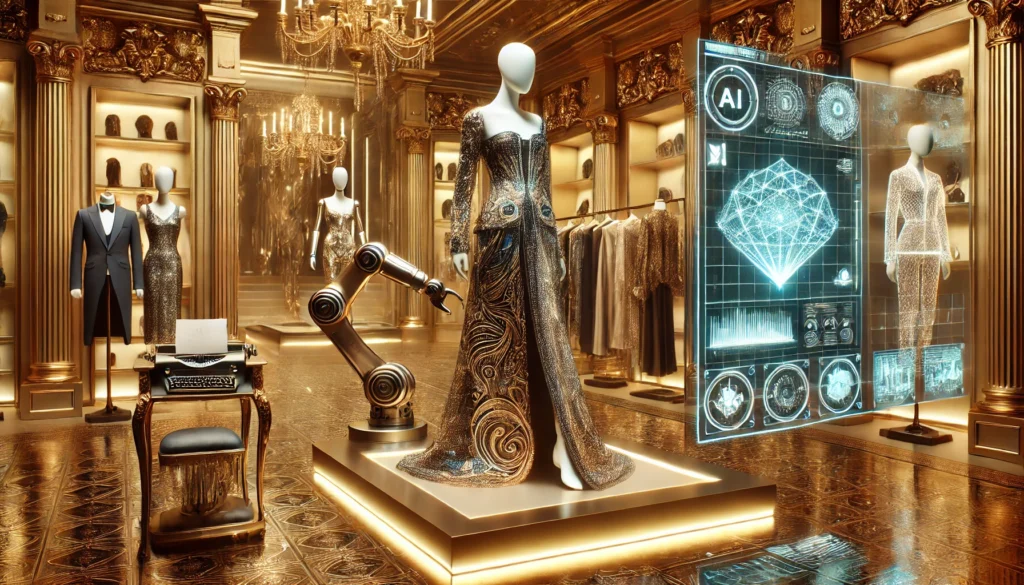
Luxury cannot afford missteps. The risks are real:
● Overuse of AI risks removing spontaneity.
● Excessive automation risks eroding craftsmanship.
● Poorly designed algorithms risk replicating social biases.
The Numbers That Matter
● 56 percent of luxury buyers report dissatisfaction with current experiences.
● 77 percent expect seamless continuity across online and offline channels.
● Companies excelling at personalisation see up to 40 percent higher revenue.
● AI-driven systems in Bangladesh could increase sales by 20 percent.
● Nearly four in ten luxury purchases are now online.
These figures underscore the urgency. AI personalisation is no longer an experiment. It is the new baseline.
Adaptiveness Rules All
Luxury has always adapted. Once, it was defined by rare materials. Later, it leaned on heritage storytelling. Now it must rely on recognition.
AI is the mechanism making that recognition possible at scale. Used wisely, it will let brands deliver intimacy without losing artistry. Used carelessly, it will reduce luxury to algorithmic prediction.
The task for brands is to balance efficiency with empathy — to combine the predictive power of technology with the improvisational flair of human advisers. If they succeed, personalisation will not just defend loyalty; it will redefine what luxury means in the digital age.
Author: Nusrat Jahan