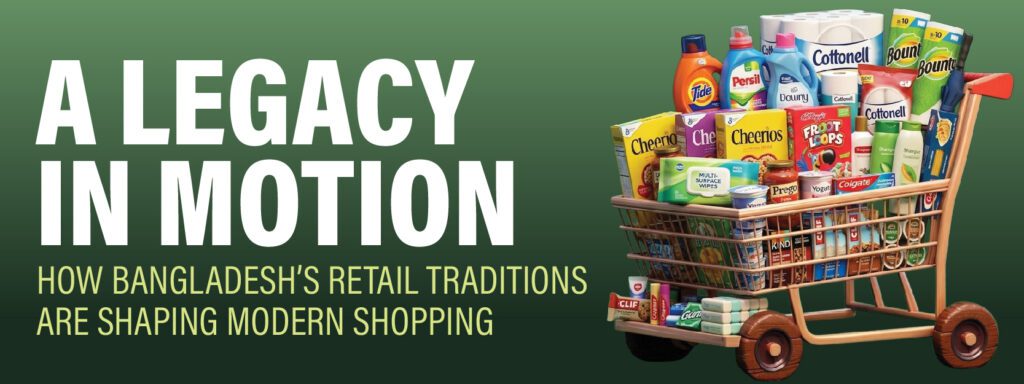
A century ago, retail in Bangladesh went through a massive transformation that’s as much about culture as it is about cash. Shopping wasn’t just a quick errand; it was the heartbeat of the community. You had these weekly haats and local mudir dokans where your “credit score” was basically just your reputation and a handshake.
Fast forward to today, and that world of face-to-face trust has evolved into a high-speed digital landscape. We’ve traded the dusty paths of the village bazaar for AI-driven apps and data-backed brands. It’s a wild jump from rural gatherings to doorstep deliveries, reflecting how much our ambitions and our economy have leveled up over the last century.
Retail was simple:
- A narrow range of goods
- Local sourcing
- Negotiated pricing
- Trust-based transitions
Technology had no role. There were no barcodes, no POS system, and credibility itself functioned as brand equity.
After 1991, as Bangladesh rebuilt its economy, retail slowly became more organized. Urban hubs such as Dhaka and Chattogram saw the emergence of permanent marketplaces and branded stores. The expansion of local conglomerates such as PRAN-RFL GROUP reflected a new phase in which manufacturing and retail became strategically interconnected.
By the 1980s and 1990s:
- Modern shopping complexes gained ground
- Fixed pricing became more common
- Imported goods reshaped consumer tastes
- Branding started guiding choice
Retail was no longer just about availability; it became about desirability. 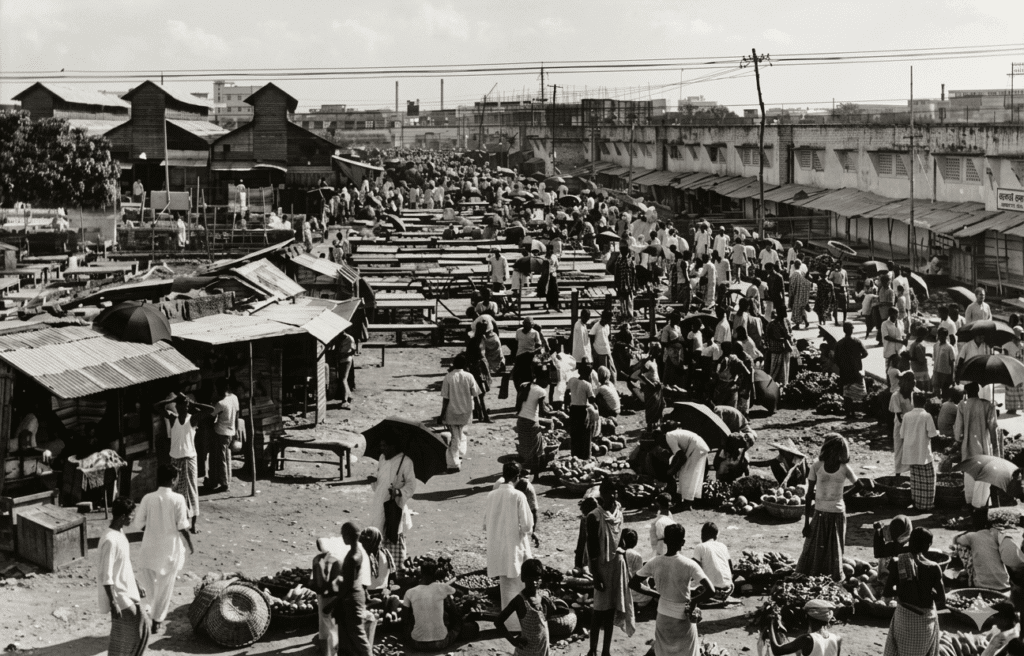
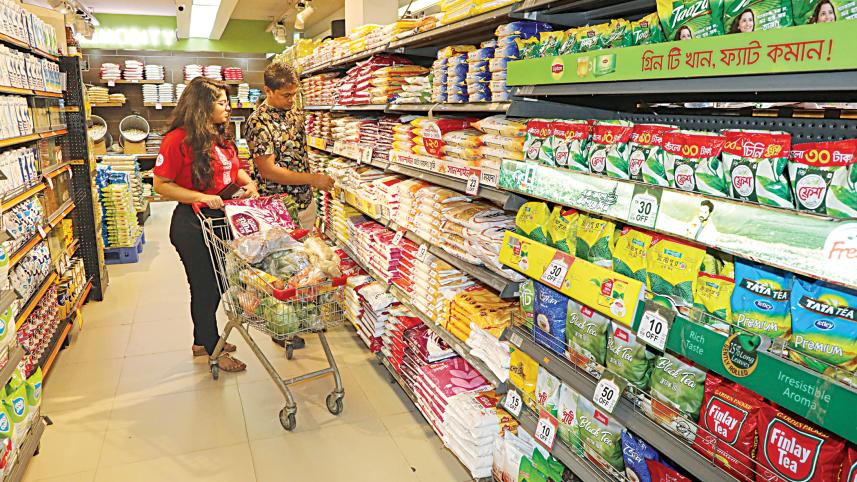
The early 2000s marked a turning point for Bangladesh’s retail evolution. The arrival of the modern supermarket chains such as Agora, Shwapno, and Meena Bazar has transformed the shopping experience. Air-conditioned aisles, barcode billing, packaged freshness, and systematic inventory management introduced new retail language to urban consumers.
Consumers adapted quickly:
- Self-service replaced counter service
- Hygiene became a decisive factor
- Discounts and campaigns drove bulk purchases
- Retailers launched their own private-label offerings
Retail was not just about purchasing goods; it became about enjoying the experience.

The 2010s marked the integration of technology into Bangladesh’s retail DNA. A smartphone in hand changed everything. Mobile banking growth and e-commerce expansion reshaped consumer access. Platforms like Daraz Bangladesh transformed how Bangladeshis shopped. With just a click, consumers could compare prices, read reviews, and receive home delivery, something unimaginable a generation ago.
The rise of:
- Mobile financial services
- The commercialization of Facebook as a retail channel
- Influencer marketing
- Flash sales and mega campaigns
- Turned retail into a 24/7 ecosystem.
When COVID-19 struck, digital retail moved from preference to survival mode. Contactless delivery, online groceries weren’t luxuries, they were lifelines overnight. 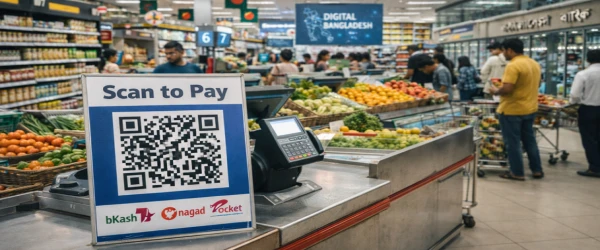
The real shift in Bangladesh’s retail scene is how much our headspace has changed. We’ve moved away from that old-school way of shopping where you only bought what you absolutely needed and just stuck to the brands your parents used because they were cheap.
Now, it’s all about the lifestyle. With more women in the workforce and Gen Z calling the shots, shopping has become a way to express who we are. People care about a brand’s “vibe” and its values, and honestly, a great experience or a cool story often matters more than just getting the lowest price. It’s not just a transaction anymore; it’s about where we see ourselves and what we want to stand for.
Nowadays, shopping is no longer a straight line; it’s a mix of scrolling and strolling. You might spot something on Instagram while stuck in traffic, check the reviews on an app, and then head to a physical store just to see if the fabric feels right.
Because of this, stores are changing; they aren’t just warehouses for products anymore, but “experience centers” where you go for the vibe or to test things out. Behind the scenes, it’s all becoming high-tech, too. Retailers are using AI to figure out exactly what we want before we even know it, while automated warehouses and better delivery networks are finally making “same-day delivery” feel like a reality rather than a lucky break.
Despite the rapid growth, retail in Bangladesh is currently navigating a tough “reckoning” period. As we head through 2026, businesses are wrestling with a cocktail of high inflation (hovering around 8-9%) and a massive banking crisis that has made getting credit nearly impossible for many. Beyond the financial squeeze, retailers are dealing with a “logistics tax” of sorts, infrastructure gaps, and energy shortages that drive up costs and slow down deliveries. 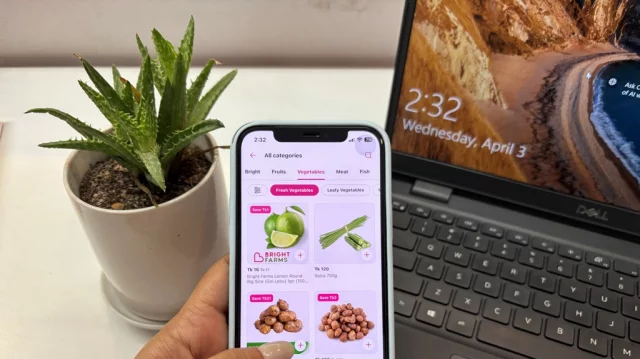 There’s also the looming shadow of the 2026 LDC graduation, which is pushing everyone to innovate faster before trade preferences disappear. Yet, that classic Bangladeshi resilience is on full display; instead of slowing down, the sector is leaning into tech like B2B digital platforms and “Buy Now, Pay Later” schemes to find a way around the hurdles and keep the momentum alive.
The future of retail in Bangladesh is essentially a high-tech glow-up of the old village square, where the “personal touch” of the past is being replaced by hyper-intelligent connectivity. We’re moving toward a world where AI predicts what you want before you even scroll, and “smart logistics” finally beats the Dhaka traffic to get it to your door.
It’s pretty wild to think we’ve gone from mud-floor bazaars to mobile-first marketplaces in just a few generations, but the next phase is even bigger. It’s about green energy, seamless digital payments, and brands that actually care about sustainability. Ultimately, while the tools have changed from handshakes to algorithms, the goal is still the same: building a shopping experience that actually understands the person behind the screen.
Author: MD. Nadim Ahmed
M.A. in English Language Teaching
Jahangirnagar University
Email: nadim@bangladeshbrandforum.com