Abstract
This article explores the evolution of Marketing 6.0, emphasizing the integration of artificial intelligence with human-centric values, particularly empathy, as a strategic driver in marketing leadership and organizational growth. Through a comparative analysis of global and Southeast Asian organizations—including Microsoft, Patagonia, Ritz-Carlton, Singapore Airlines, Minor Food Group, Phyathai–Paolo Hospital Group, and Siam Cement Group—the study highlights how empathy informs marketing strategy, brand positioning, service innovation, and employee engagement. Drawing on Marketing 6.0 principles, the article demonstrates that AI-enabled precision and scalability can coexist with emotionally intelligent, socially responsible, and purpose-driven marketing practices.
Through my reflections as an observer and analyst, I draw interpretive insights on how human-centric marketing can be operationalized in diverse contexts, particularly in Thailand and Southeast Asia, where cultural norms and organizational realities shape leadership approaches. The cases illustrate how empathetic leadership, when combined with strategic use of AI and technology, creates differentiated customer experiences, strengthens trust, and fosters long-term loyalty. These reflections offer actionable guidance for marketing professionals seeking to balance digital innovation with authentic human connection, ensuring sustainable growth in increasingly complex and competitive markets.
Keywords
Marketing 6.0, Human-centric marketing strategy, Empathy-driven marketing, AI in marketing leadership, Customer experience innovation, Sustainable marketing practices, Global and Southeast Asian Marketing Insights, Cross-industry marketing case studies, Brand differentiation through empathy
Introduction
Marketing has evolved through several stages, from the product-driven focus of Marketing 1.0 to the customer-oriented shift of 2.0, the values-driven emphasis of 3.0, and the digital and connectivity revolutions of 4.0 and 5.0. I do not view each era as replacing the last, but rather as an evolving continuum in which earlier concepts remain relevant and integrated into current practice. For example, the call for empathy that emerged in Marketing 3.0 and was reinforced through personalization and digital connectivity in Marketing 5.0 becomes even more critical in Marketing 6.0: The Future Is Immersive [Kotler, Kartajaya and Setiawan, 2010, 2021, and 2023]. In this stage, organizations are challenged to integrate artificial intelligence with human-centered values, where empathy is no longer a soft skill but a strategic imperative. While AI enables precision, personalization, and scalability, it also raises pressing questions about how marketers can preserve trust, authenticity, and emotional connection in increasingly digital interactions.
This article examines how leading organizations across industries are embedding empathy into marketing leadership and strategies that combine technological innovation with human insight. From Satya Nadella’s cultural transformation at Microsoft to Patagonia’s sustainability-driven brand leadership, and from Ritz-Carlton’s emotionally intelligent service culture to the people-first philosophies of Minor Food Group and Phyathai–Paolo Hospital Group in Thailand, the cases are analyzed through the lens of AI-integrated, human-centric marketing.
Through my own reflections on these cases, I see how Marketing 6.0 requires marketers to move beyond efficiency and personalization alone, embracing empathy as the foundation of strategy. For marketing professionals in Thailand, this perspective offers valuable insights into how a human-centric mindset and empathetic practices can guide the responsible use of AI, strengthen customer relationships, and create sustainable growth in a rapidly changing marketplace — while also pointing the way forward for how Thai marketers can shape the future of marketing in the AI-driven era.
Methodology
This article adopts a qualitative case study approach, analyzing a selection of global and Southeast Asian organizations that exemplify Marketing 6.0 principles in practice. Cases were chosen to illustrate diverse industries—technology, retail, hospitality, healthcare, and industrial conglomerates—where human-centric leadership and AI integration converge. Data sources include company reports, academic literature, media interviews, sustainability disclosures, and firsthand observations. Through interpretive analysis, I identify patterns in empathy-driven leadership, customer engagement, innovation, and brand differentiation. This approach allows for comparative insights across contexts, highlighting culturally and organizationally specific strategies relevant to marketing professionals in Thailand and the broader Southeast Asian region.
Microsoft’s Marketing 6.0 Transformation under Satya Nadella
Embracing Empathy in Leadership and Culture
Microsoft under Satya Nadella provides a compelling example of Marketing 6.0 in action, where AI, technology, and human-centric values converge to drive strategy and engagement. Since becoming CEO in 2014, Nadella has transformed Microsoft’s approach to marketing and product strategy by emphasizing empathy, openness, and learning from failure. This human-centric perspective enabled the company to better understand customer needs, foster collaboration across teams, and align brand communications with authentic values.
One of Nadella’s first and most significant marketing leadership challenges was transforming Microsoft’s deeply ingrained culture of internal competition and risk aversion. For Marketing 6.0, this cultural shift was critical: a human-centric, empathetic mindset within the organization enables marketers to better understand customers, anticipate needs, and create authentic engagement. Nadella introduced the concept of a “growth mindset,” inspired by psychologist Carol Dweck (2006), encouraging employees to view mistakes as learning opportunities and to continually develop their skills. By promoting collaboration, shared purpose, and empathy as core leadership qualities, Nadella ensured that Microsoft’s internal culture aligned with a marketing strategy centered on insight, innovation, and customer trust.
Nadella also faced the challenge of re-engaging employees and restoring morale. Years of stagnation had left many feeling disillusioned. A global Gallup survey in 2014 found that only 13% of employees were actively engaged at work—a figure that underscored the urgent need for internal renewal (Gallup, 2014). Nadella responded by modeling vulnerability and openness himself. In his memoir Hit Refresh, he shared personal experiences as a father of a child with special needs and how these shaped his understanding of empathy in leadership (Nadella, 2017). This authentic storytelling fostered a more inclusive and psychologically safe workplace, where employees felt seen, heard, and understood.
Human-Centric Marketing Strategy
Before Nadella’s leadership, internal silos and a competitive “win-at-all-costs” culture hindered innovation and responsiveness to market changes, leaving opportunities in mobile computing and cloud services untapped (Vanity Fair, 2012). By embedding empathy into decision-making, marketing campaigns, and product development, Nadella shifted Microsoft from a technology-focused company to a customer- and insight-driven organization. From a Marketing 6.0 perspective, Nadella’s emphasis on empathy within the organization directly influenced Microsoft’s marketing leadership and strategy. By understanding both employee and customer needs at a deeper level, Microsoft was able to align innovation, product development, and brand communication with human-centric values.
Strategic Market Repositioning
Strategically, Nadella repositioned Microsoft in the marketplace—a move that reflects Marketing 6.0’s integration of technology and human-centric thinking. Shifting from a traditional software licensing model to a cloud-first, mobile-first approach, Microsoft invested heavily in Azure, its cloud platform. As of May 2025, Azure holds approximately 24% of the global cloud infrastructure market, second only to Amazon Web Services (CloudZero, 2025). This repositioning demonstrates how empathetic, insight-driven leadership can guide strategic marketing decisions, enabling Microsoft to re-enter conversations as a major innovator in cloud computing and artificial intelligence, while delivering value that resonates with both customers and employees.
Innovation and Organizational Impact
Innovation flourished across product lines, from the integration of AI into Microsoft 365 to the development of the Copilot feature leveraging generative AI. Microsoft’s market capitalization surged from about $382 billion in 2014 to over $3.5 trillion by mid-2025 (Macrotrends, 2025; CompaniesMarketCap, 2025), reflecting the transformative impact of Nadella’s empathetic and visionary leadership. Employee engagement improved significantly, with Microsoft consistently ranked among the best places to work by Glassdoor and Forbes.
Nadella’s journey demonstrates that empathy is not a soft skill but a strategic marketing and leadership asset. By embedding empathy into organizational culture, decision-making, and strategy, Microsoft exemplifies how Marketing 6.0 principles—combining human insight with technological capability—can drive innovation, strengthen customer and employee engagement, and build a thriving, human-centered organization.
Marketing 6.0 in Action: Human-Centric Leadership Across
IndustriesPatagonia: Purpose-Driven Marketing and Ethical Leadership
Patagonia, the outdoor apparel company, is renowned for integrating purpose and human-centric values into its marketing strategy. Patagonia’s leaders prioritize employee well-being, customer trust, and environmental stewardship, fostering a culture where ethical considerations and business objectives coexist. Under Yvon Chouinard and recent CEOs, the company incorporated sustainable materials, on-site childcare, and flexible work practices—demonstrating how organizational values can be embedded into both internal culture and brand strategy (Harbert Center, 2021). These initiatives reflect Marketing 6.0 principles, where empathy, social responsibility, and long-term purpose guide leadership and marketing decisions, strengthening brand credibility, customer loyalty, and stakeholder engagement.
Siam Cement Group (SCG): Empathy-Driven Innovation and Marketing in Southeast Asia
In the Southeast Asian context, Siam Cement Group (SCG), one of Thailand’s largest industrial conglomerates, provides a compelling example of Marketing 6.0 in practice. SCG integrates empathy, mindfulness, and collaborative problem-solving into its corporate culture, aligning leadership development with customer and stakeholder insights. Its leadership programs foster self-awareness and emotional intelligence—principles drawn from Boyatzis’ Intentional Change Theory—which equip leaders and employees to apply empathy in innovation, customer engagement, and marketing strategy (SCG Sustainability Report, 2022).
These human-centric values extend directly into SCG’s marketing approach. For example, SCG’s sustainability initiatives—including eco-friendly building materials, community development programs, and educational campaigns—reflect a deep understanding of customer values and societal expectations. By embedding empathy and purpose into product design, communication, and corporate outreach, SCG not only strengthens customer trust but also positions itself as a socially responsible brand that balances business objectives with societal impact. This integration of human insight and strategic action exemplifies Marketing 6.0, demonstrating how empathy-driven leadership can guide marketing strategy in a way that benefits both the organization and the broader community.

Singapore Airlines: Emotional Intelligence and Human-Centric Customer Engagement
Singapore Airlines exemplifies Marketing 6.0 in practice through its transformational and emotionally intelligent leadership, which consistently prioritizes employee well-being, career development, and open internal communication. By fostering a culture of empathy and emotional awareness, the airline ensures that employees feel valued and supported—creating a workforce capable of delivering superior customer experiences. This approach aligns closely with Goleman’s emotional intelligence framework, demonstrating how empathy-driven leadership strengthens staff engagement while enhancing long-term brand reputation and customer loyalty (Singapore Airlines, 2018; Chong, 2007).
These human-centric values extend directly into Singapore Airlines’ marketing and customer engagement strategies. From personalized in-flight services and attentive cabin crew interactions to campaigns that emphasize comfort, care, and safety, the airline consistently translates empathy into tangible customer experiences. By understanding and anticipating passenger needs, Singapore Airlines integrates technology, data insights, and staff engagement to deliver a seamless, emotionally resonant journey. This combination of emotional intelligence, operational excellence, and strategic customer insight exemplifies Marketing 6.0 principles—where empathy drives not only internal culture but also marketing innovation, brand differentiation, and long-term loyalty.
Minor Food Group: A Marketing 6.0 Success Story
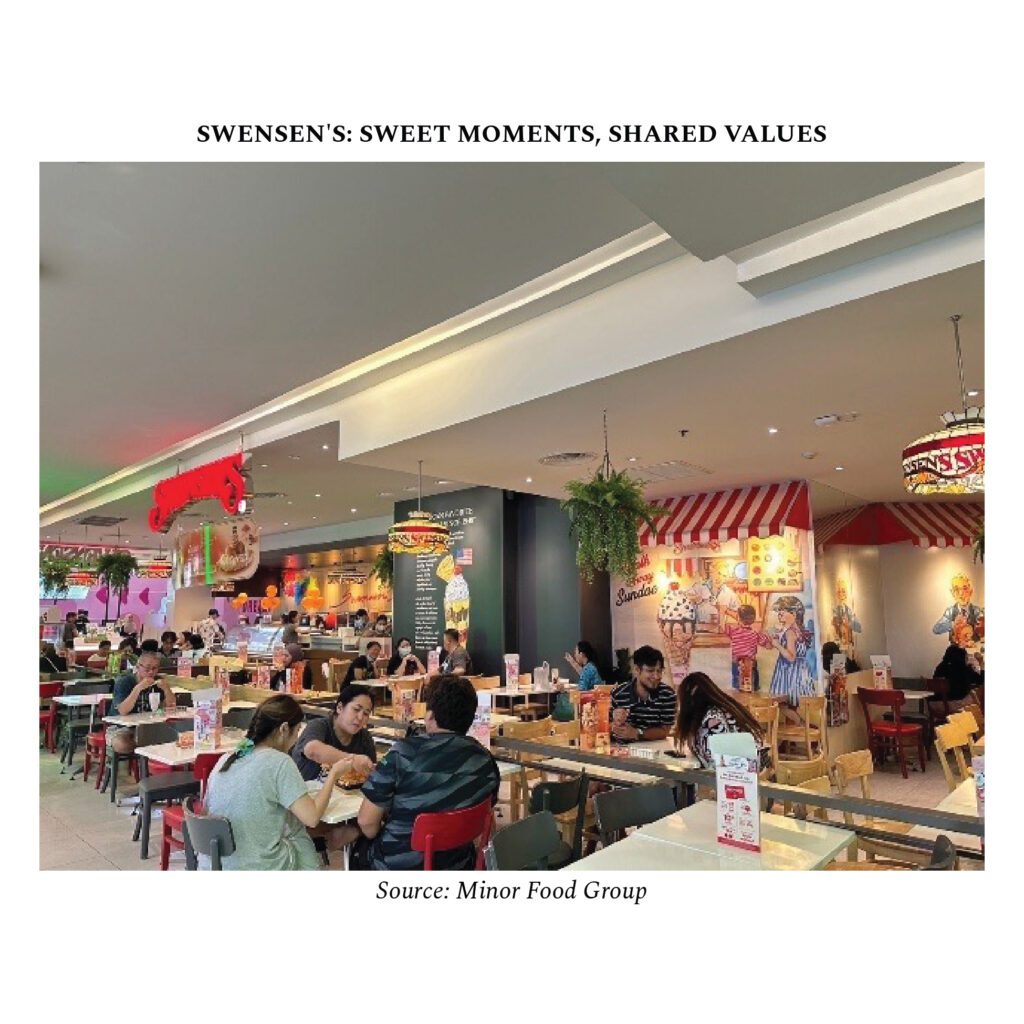
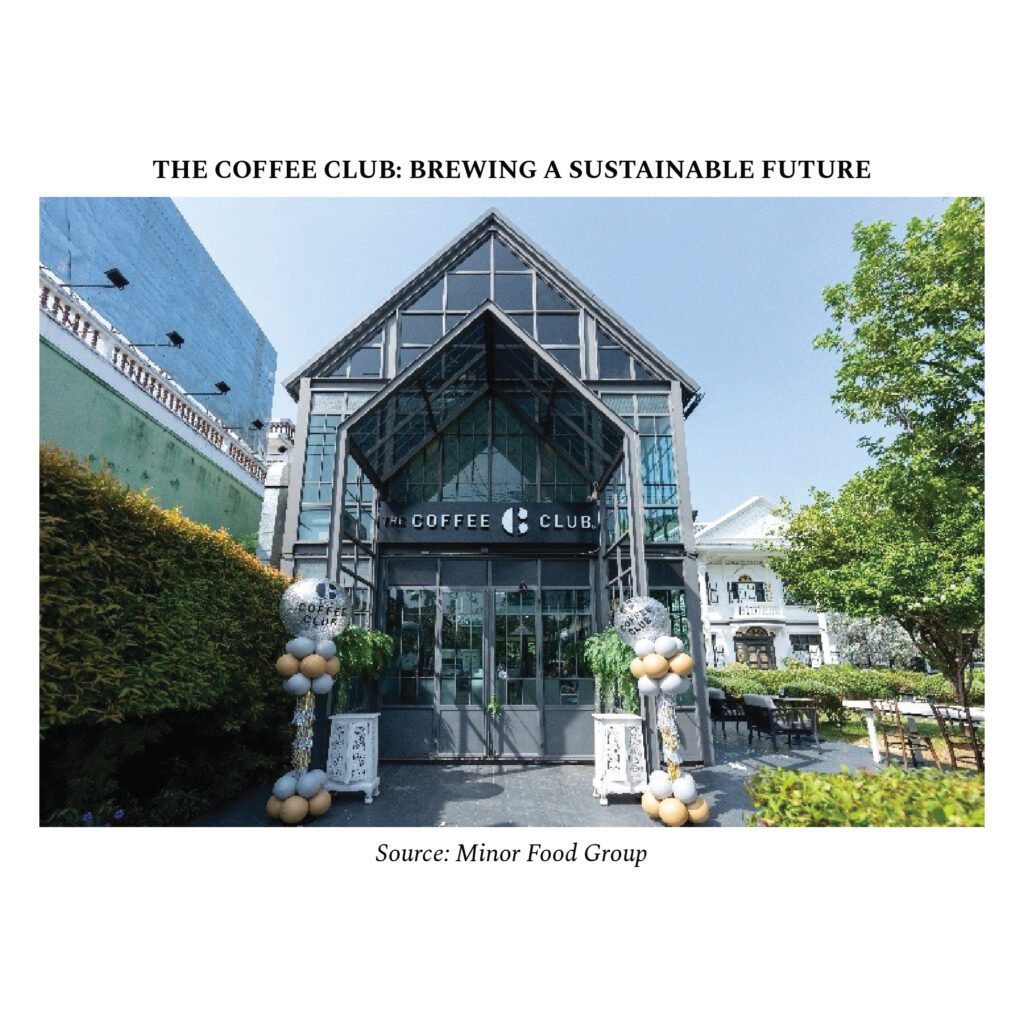
Founded in 1967 by American teenager William E. Heinecke, Minor Food Group provides a compelling example of Marketing 6.0 in action, growing from a single entrepreneurial venture into one of Asia’s largest food service operators. Today, as a core business under Minor International, the company operates over 2,600 restaurant outlets in 24 countries, representing a powerful ecosystem of globally recognized and homegrown brands. Beyond its expansive portfolio—including The Pizza Company, Swensen’s, Sizzler, Dairy Queen, Bonchon, and The Coffee Club—what truly defines Minor Food Group is its human-centric approach to marketing and strategy. By embedding empathy, responsibility, and shared growth into every aspect of its operations, the company designs customer experiences, brand communications, and service innovations that resonate deeply with audiences (Visitchaichan, S. & Stananont, N., 2024). This Marketing 6.0 mindset informs not only customer-facing strategies but also employee engagement, community initiatives, and sustainable practices, demonstrating how human insight, purpose, and technological integration can drive long-term brand loyalty, market differentiation, and organizational growth.
Responsible Marketing-Preneurship in Action
At Minor Food Group, human-centric marketing and leadership are not abstract concepts—they are embedded in day-to-day operations and long-term strategic planning. Leaders are expected to listen actively, respond with empathy, and empower teams with trust. The company has embraced the concept of the “Responsible Marketing-Preneur,” which reflects Marketing 6.0 principles by prioritizing human well-being alongside business objectives. This mindset integrates three core pillars: a customer-focused entrepreneurial spirit, socio-economic and environmental responsibility, and the empowerment of people’s potential. Empathy in action is evident in how the company responds to societal needs. For instance, during the COVID-19 pandemic, Minor Food Group rapidly transformed its centralized call center into a digital app for food delivery. This was not just a business decision—it was a customer- and community-centered response, providing safe, convenient, and contactless services (Visitchaichan, S. & Stananont, N., 2024). At the same time, this strategy empowered smaller entrepreneurial units within the company to remain operational, protecting jobs and sustaining livelihoods during a period of uncertainty.
Empathy Beyond Markets: Community and Social Impact
Minor Food Group’s human-centric leadership extends to the communities it serves. For over two decades, the Pizza Company Book Club has promoted literacy among Thai students by linking the joy of reading with meaningful rewards—free pizza. More than 2 million children and over 800 schools have participated. This initiative reflects Marketing 6.0 principles: it is not about immediate customer acquisition, but about understanding and nurturing future citizens, fostering long-term value through empathy, care, and imagination. Similarly, partnerships with the Royal Project Foundation and local farmers demonstrate deep empathy for rural communities. By sourcing organic rice from Amnat Charoen province or supporting the revival of the endangered Ok Rong Thong mango through long-term procurement contracts, Minor Food Group strengthens product quality while sustaining livelihoods, preserving cultural biodiversity, and supporting farming communities (Visitchaichan, S. & Stananont, N., 2024). These choices transform supply chains into meaningful channels of social impact.
Marketing with Purpose: Sustainability and Environmental Stewardship
Human-centric marketing also extends to environmental stewardship. Minor Food Group’s commitment to sustainability—such as reducing plastic use by 61% in 2023 or replacing over 685,000 eggs with cage-free alternatives at The Coffee Club—demonstrates empathy for animals, ecosystems, and future generations. Innovative initiatives like edible cups and fully recyclable packaging reflect a long-term, purpose-driven approach rather than short-term cost considerations. The “Happy Egg, Happy Breakfast” campaign, for instance, goes beyond conventional marketing; it educates customers about animal welfare, ethical consumption, and shared happiness, reinforcing the principle that food should nourish both people and the planet (Visitchaichan, S. & Stananont, N., 2024).
People at the Core: A Culture of Human-Centric Leadership
Perhaps the most powerful example of Minor Food Group’s Marketing 6.0 approach is its internal culture. Since opening its first pizza restaurant in 1981, the company has become a training ground for thousands of Thais—including megastars, governors, chefs, and entrepreneurs. Employees are treated not merely as labor but as individuals with untapped potential. The organization fosters a psychologically safe environment that encourages experimentation, learning from failure, and personal growth. This empowerment reflects a leadership philosophy rooted in empathy, human dignity, and belief in people’s capacity to contribute meaningfully. Whether granting frontline staff autonomy to engage customers or designing development programs that support career mobility, Minor Food Group integrates human-centric principles into both leadership and operational strategy (Visitchaichan, S. & Stananont, N., 2024).
Turning Empathy into Strategy
Minor Food Group’s story demonstrates that commercial success and human-centric marketing are not mutually exclusive. By investing in employee potential, community well-being, and environmental sustainability, the company turns empathy into a strategic asset. Through its responsible, insight-driven leadership, Minor Food Group cultivates not only markets, but also minds, communities, and a sustainable future—showing how Marketing 6.0 principles can create lasting value for both people and business.
Empathy as a Strategic Driver Across Industries
Ritz-Carlton: Personalized Hospitality through Emotional Connection
In the hospitality sector, Ritz-Carlton illustrates how empathy can be embedded directly into marketing leadership and service strategy. Its model of individualized service is not only about operational excellence but about anticipating unspoken needs and creating emotional connections with guests. Leadership development programs that emphasize emotional intelligence and empathy equip employees to deliver experiences that resonate on a personal level. This focus translates into high customer satisfaction, repeat patronage, and enduring brand equity (Kandampully, Zhang, & Jaakkola, 2018). In this sense, empathy becomes a strategic marketing lever, transforming service delivery into a brand promise that differentiates Ritz-Carlton in a highly competitive market.
Phyathai–Paolo Hospital Group: Empathy-Driven Healthcare Marketing
In healthcare, Phyathai–Paolo Hospital Group demonstrates how empathy-driven strategy creates differentiation in a context where trust and human care are central to consumer decision-making. As part of Bangkok Dusit Medical Services (BDMS)—Asia’s largest private hospital network with a market capitalization of Baht 440 billion—Phyathai–Paolo advances a patient-first philosophy supported by innovative care models and empathetic communication. Serving more than 13 million patients annually through 58 hospitals across Thailand and Cambodia, BDMS integrates healthcare services from laboratories to pharmaceutical retail (Visitchaichan, S., Setthasawet, W., & Paocharoen, V. 2024). This holistic system allows Phyathai–Paolo to embed empathy into the entire patient journey, using technology and design not just for efficiency but to empower patients, reduce anxiety, and build long-term loyalty.
Comparing Empathy Across Industries
A comparison of the two cases highlights how empathy operates differently yet strategically in each industry. Ritz-Carlton leverages empathy to personalize experiences and inspire emotional loyalty in hospitality, where differentiation often rests on service moments. Phyathai–Paolo applies empathy to strengthen trust and credibility, addressing patient vulnerability in healthcare markets where decisions carry profound human and financial stakes. Both cases exemplify the Marketing 6.0 principle that empathy is not peripheral but central to modern marketing leadership—guiding service design, brand positioning, and long-term value creation.
Strategic Leadership Anchored in Human-Centric Values
At the core of Phyathai–Paolo’s sustained success is a commitment to empathy, dignity, and healing—not only as clinical outcomes but as strategic marketing values. The group contributes 27% of BDMS’s total revenue, serves 3.8 million patients annually, and leads the corporate healthcare market with over 10,000 clients. In 2023, BDMS captured 46% of Thailand’s private hospital market, generating revenues of over Baht 102 billion—clear evidence that an empathy-driven, human-centric strategy can deliver strong financial results (Visitchaichan, S., Setthasawet, W., & Paocharoen, V. 2024).
The group’s strategic direction—anchored in its vision, “Healthcare Innovation Making Patient Life Possible”—reflects the belief that business should center on human well-being. Investments in medical technologies and service innovations are paired with a workplace culture rooted in emotional intelligence, mutual respect, and shared purpose. Its “Patients First” philosophy functions as more than a slogan; it is a cultural compass that guides brand identity, patient experience design, and internal development.
Resilience and Growth Through Empathy
This alignment between empathy and strategy has been especially critical during crises. Despite disruptions from COVID-19 and broader economic volatility, the group achieved exceptional growth: from 2021 to 2023, total operating income rose by 35% (Baht 75.7 billion to 102.1 billion), and net profit increased by 81% (Baht 7.9 billion to 14.4 billion)—with a 59% profit surge in 2022 alone (Visitchaichan, S., Setthasawet, W., & Paocharoen, V. 2024). These results underscore how empathy, when integrated into leadership and marketing strategy, strengthens organizational resilience.
Patient-Centric Innovation as Marketing 6.0 in Practice
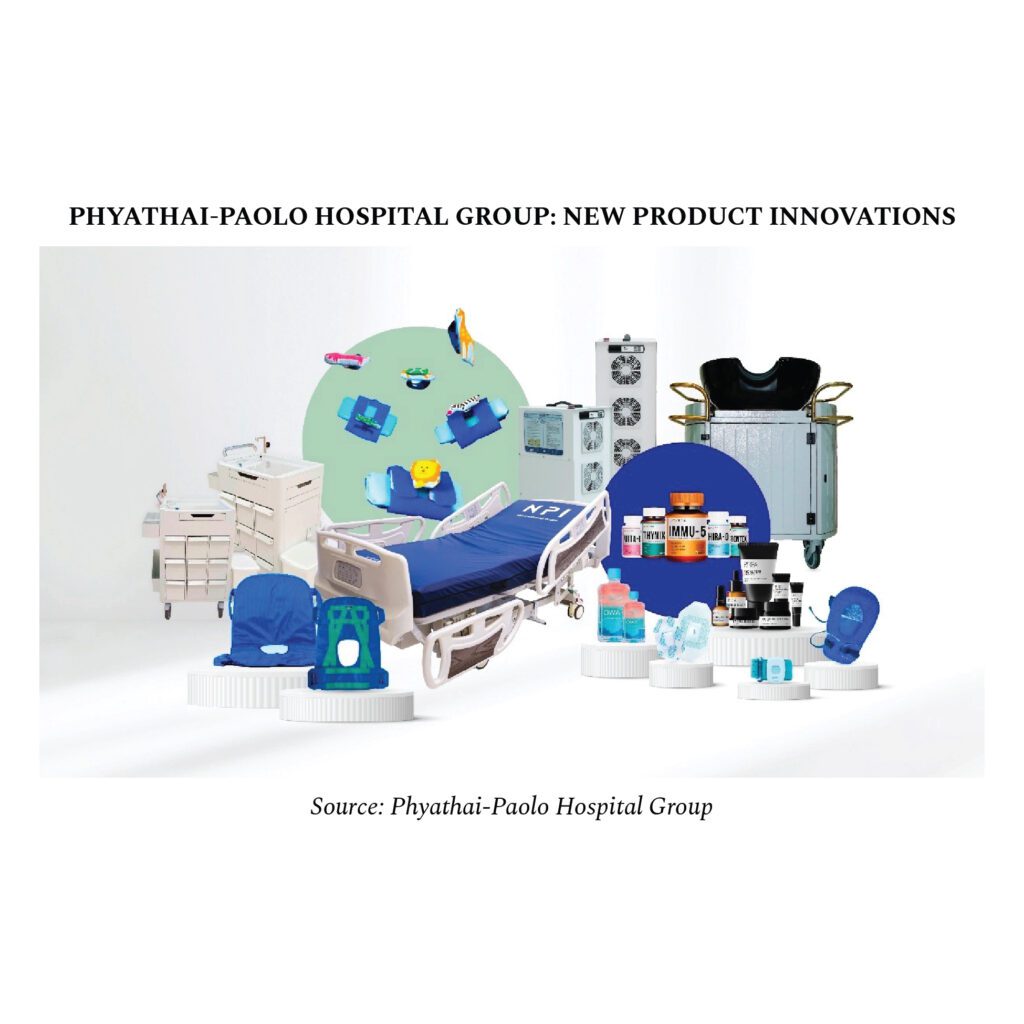
Phyathai–Paolo’s marketing leadership is evident in its patient-centric innovations. Initiatives such as AI-powered EKG interpretation, the NPI mattress for enhanced comfort, and the “All You Can Check” preventive health program show how the hospital translates empathy into practical value. For example:
- AI-EKG System – Accelerates diagnosis and minimizes human error, reinforcing trust in care quality.
- NPI Mattress – Improves patient comfort and reduces the risk of bedsores, addressing both medical and emotional needs of elderly and long-stay patients.
- All You Can Check Program – Offers customizable, affordable packages, empowering patients to take proactive control of their health.
These are more than technical upgrades; they are expressions of Marketing 6.0 in practice, where empathy and innovation converge to create meaningful, differentiated experiences that drive both loyalty and long-term growth.
Conclusion: Empathy and AI as Strategic Drivers in Marketing 6.0Reflecting on the journeys of Microsoft, Patagonia, Ritz-Carlton, Singapore Airlines, Minor Food Group, Phyathai–Paolo Hospital Group, and SCG, a central insight emerges: Marketing 6.0 is not solely about adopting advanced technologies or optimizing processes—it is about integrating human-centric values, particularly empathy, with AI and data-driven insights to create meaningful differentiation and long-term organizational growth.
| Insights Box
Practical Takeaways for Marketing 6.0 Professionals: The following key takeaways distill practical applications of Marketing 6.0 principles for professionals, reflecting both the author’s interpretation and extension of the concepts.
Source: Adapted from Marketing 6.0 concepts and extended through the author’s interpretation. |
Across industries and geographies, these cases demonstrate how empathy becomes a strategic asset when embedded into leadership, culture, and marketing strategy. At Microsoft, empathy reshaped organizational culture and product strategy, enabling AI-driven innovations like Copilot to resonate authentically with customers. At Ritz-Carlton and Singapore Airlines, emotionally intelligent leadership ensures employees can anticipate customer needs, creating loyalty and service excellence. Minor Food Group illustrates how human-centric marketing scales across diverse brands, linking empathy with community engagement and sustainability. In healthcare, Phyathai–Paolo shows that patient-centered innovation and AI-driven solutions, guided by empathetic leadership, strengthen trust and drive long-term loyalty. SCG and Patagonia reinforce the value of culturally attuned, purpose-driven leadership as a foundation for strategy, marketing, and brand differentiation.
From my perspective as an observer and analyst, these cases highlight a transformative principle: AI and technology amplify human insight but cannot replace it. Marketing 6.0 succeeds when technology serves empathy, enabling organizations to anticipate needs, personalize experiences, and deliver socially responsible and emotionally resonant value. In Southeast Asia, cultural nuances—such as Kreng Jai (being considerate), collectivism, and respect for hierarchy—shape how empathy is expressed and perceived, making culturally sensitive, human-centric leadership even more critical.

For marketing professionals in Thailand and across Asia, several actionable implications arise: first, integrate empathy into both leadership and strategy—from internal culture to customer-facing innovations. Second, leverage AI not as a substitute for human insight but as a tool to enhance personalization, prediction, and scalability. Third, align marketing initiatives with purpose-driven goals that address societal, environmental, and community needs, fostering long-term brand trust and loyalty. Finally, invest in developing emotionally intelligent teams capable of interpreting data through a human lens, translating insights into meaningful experiences.
Ultimately, the Marketing 6.0 framework demonstrates that empathy, culture, and AI together drive sustainable competitive advantage. Organizations that operationalize these principles create not only commercially successful campaigns but also socially responsible, human-centered ecosystems that resonate deeply with employees, customers, and communities alike. As I reflect on these cases, the lesson is clear: in the age of AI, empathy is not optional—it is the most powerful strategic differentiator for marketers seeking to lead responsibly and innovatively in complex, culturally diverse markets.
To conclude, drawing on the cases of Microsoft, Patagonia, Ritz-Carlton, Singapore Airlines, Minor Food Group, Phyathai–Paolo Hospital Group, and SCG, I propose a Marketing 6.0 Pillar Model. This framework emphasizes the integration of purpose, ethics, empathy, human-centric leadership, emotional connection, innovation, and sustainable practices, guided by AI and technology. Organizations that operationalize these pillars can create meaningful differentiation, build lasting customer relationships, and achieve sustainable growth in the AI-driven, human-centric era.
Author’s Profile
 Dr. Somchat “Dan” Visitchaichan is a marketing communication professional, branding strategist, business consultant, and psychotherapist with over three decades of experience guiding organizations and executives in Thailand and across Asia. He currently serves as 2nd Vice President of the Asia Marketing Federation (AMF) and Vice President & Chief of Learning Architect and Marketing Innovation at the Marketing Association of Thailand (MAT), helping leaders unlock their potential through strategy development, organizational transformation, and innovation design. Dan has held senior roles at leading multinationals, including the Minor Group, Diageo Moët Hennessy, Philip Morris, and the Coca-Cola Group, where he developed corporate strategies, brand campaigns, and business solutions across diverse industries, giving him a unique perspective on building impactful, human-centered brands.
A certified Design Thinking facilitator and ICF-certified coaching and mentoring professional, Dan combines corporate, academic, and therapeutic insights to deliver holistic branding, leadership, and marketing solutions. He holds degrees in Commerce from the University of Wollongong (UOW) and UNSW Sydney, Australia, and a Master of Science in Mental Health from Chulalongkorn University, where he graduated with a GPA of 4.0/4.0 and was awarded a full scholarship from the Faculty of Medicine, also receiving a Certificate of Honor from the Faculty of Medicine, Chulalongkorn University, and the Plaque of Honor from NIDA. Dan teaches at Assumption University, Bangkok University, National Institute of Development Administration (NIDA), and Chulalongkorn University, chairs major regional award juries, and serves on the AMF Journal editorial board.
He believes marketing is a force for growth, empowerment, and societal impact, guiding organizations and leaders to achieve meaningful change.
References
Chong, M. (2007). The role of internal communication and training in infusing corporate values and delivering brand promise: Singapore Airlines’ experience. Corporate Reputation Review, 10, 201–212.
CloudZero. (2025, May). 90+ Cloud Computing Statistics: A 2025 Market Snapshot. Retrieved June 14, 2025 from https://www.cloudzero.com/blog/cloud-computing-statistics/
CompaniesMarketCap. (2025). Microsoft (MSFT) market capitalization. Retrieved June 14, 2025, from https://companiesmarketcap.com/microsoft/marketcap/
Dweck, C. S. (2006). Mindset: The New Psychology of Success. Random House.
Gallup. (2014). State of the global workplace: Employee engagement insights for business leaders worldwide. Retrieved June 14, 2025 from https://www.performancemagazine.org/state-of-the-global-workplace-%E2%80%93-only-13-of-the-employees-are-engaged-at-work/?utm
George, B. (2019). Discovering Your True North. Wiley.
Goleman, D. (1995). Emotional intelligence: Why it can matter more than IQ. Bantam Books.
Goleman, D. (1998). Working with Emotional Intelligence. Bantam Books.
Greenleaf, R. K. (1977). Servant leadership: A journey into the nature of legitimate power and greatness. Paulist Press.
Harbert Center for Ethical Organizational Cultures. (2021). From the outside in: Corporate Social Responsibility at Patagonia. Auburn University.
Kandampully, J., Zhang, T., & Jaakkola, E. (2018). Customer experience management in hospitality: A literature synthesis, new understanding and research agenda. International Journal of Contemporary Hospitality Management, 30(1), 21–56.
Kotler, P., Kartajaya, H., Setiawan, I., (2010), Marketing 3.0: From Products to Customers to the Human Spirit, John Wiley & Sons, Inc., Hoboken, New Jersey.
Kotler, P., Kartajaya, H., Setiawan, I., (2021), Marketing 5.0: Technology for Humanity, John Wiley & Sons, Inc., Hoboken, New Jersey.
Kotler, P., Kartajaya, H., Setiawan, I., (2023), Marketing 6.0: The Future is Immersive, John Wiley & Sons, Inc., Singapore.
Macrotrends. (2025). Microsoft market capitalization 2010–2025. Retrieved June 14, 2025, from https://www.macrotrends.net/stocks/charts/MSFT/microsoft/market-cap
Nadella, S. (2017). Hit Refresh: The Quest to Rediscover Microsoft’s Soul and Imagine a Better Future for Everyone. Harper Business.
Singapore Airlines. (2018). Sustainability Report FY2017/18. Singapore: SIA. Retrieved June 14, 2025 from https://www.singaporeair.com/content/dam/sia/web-assets/pdfs/about-us/sustainability/sustainabilityreport1819.pdf?
Vanity Fair. (2012, July 24). Microsoft’s lost decade.
Visitchaichan, S. & Stananont, N. (2024). Minor Food Group: Pioneering Responsible Marketing-Preneur and Winning the Asia Marketing Excellence Award in the Marketing 3.0 Category, Asia Marketing Federation Journal.
Visitchaichan, S., Setthasawet, W., & Paocharoen, V. (2024). Innovative Solutions for Integrated Medical Life: Phyathai-Paolo’s Path to Winning The Asia Marketing Excellence award in the Marketing Company of the Year Category, Asia Marketing Federation Journal.